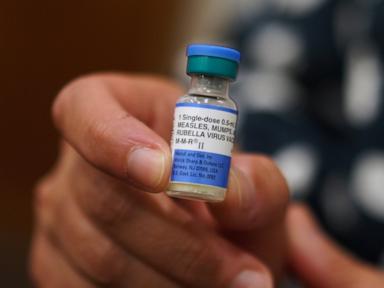
Most adults do not need a measles booster shot, yet localized outbreaks routinely trigger widespread confusion regarding personal immunity status. Determining whether you require an additional dose of the Measles, Mumps, and Rubella (MMR) vaccine is not a matter of guesswork or panic; it is a binary risk-assessment exercise governed by birth year, historical vaccine formulations, occupational exposure, and immunological durability. Two documented doses of a live-attenuated measles vaccine confer approximately 97 percent protection against clinical infection, creating a durable, often lifelong cellular and humoral defense that renders routine adult boosting clinically unnecessary for the general population.
Public health messaging often fails because it treats immunity as a uniform state rather than a stratified system of risk cohorts. To evaluate your actual vulnerability during a measles surge, you must audit your immunization history against specific epidemiological cutoffs and biological mechanisms.
The Immunological Mechanics of Measles Durability
The measles virus (Morbillivirus hominis) possesses one of the highest basic reproduction numbers ($R_0$) of any known human pathogen, typically ranging between 12 and 18 in a completely susceptible population. Because a single index case can infect up to eighteen secondary contacts via airborne respiratory droplets that remain viable in airspace for up to two hours, population-level containment requires a herd immunity threshold of roughly 93 to 95 percent.
The live-attenuated MMR vaccine achieves protection through controlled viral replication. Unlike inactivated vaccines that merely present viral antigens to antigen-presenting cells, a live-attenuated formulation introduces a weakened strain of the Edmonston-Enders virus that replicates minimally within host cells. This process triggers both arms of the adaptive immune system:
- Humoral Immunity: B-lymphocytes differentiate into plasma cells that secrete neutralizing Immunoglobulin G (IgG) antibodies, which bind to the viral hemagglutinin (H) and fusion (F) surface proteins, blocking cellular entry.
- Cellular Immunity: Cytotoxic CD8+ T-cells and helper CD4+ T-cells establish long-term memory pools capable of recognizing and destroying infected host cells before systemic viremia occurs.
A single dose of the MMR vaccine fails to induce seroconversion in roughly 7 percent of recipients—a phenomenon known as primary vaccine failure, usually caused by interference from lingering maternal antibodies in infants or improper cold-chain storage of the vaccine. Administering a second dose does not act as a traditional "booster" to refresh fading immunity; rather, it serves as a corrective measure to capture the 7 percent of individuals who did not respond to the initial inoculation, pushing aggregate efficacy to 97 percent. Secondary vaccine failure—the gradual waning of protective antibodies over decades—occurs at an exceptionally low rate, estimated at less than 0.2 percent per year among two-dose recipients.
Cohort Stratification and the Three-Tier Audit Framework
Evaluating the necessity of a booster requires segmenting the adult population into distinct historical and clinical cohorts. Public health agencies, including the Centers for Disease Control and Prevention (CDC) and the Advisory Committee on Immunization Practices (ACIP), rely on birth-year cutoffs and vaccine formulation histories to establish presumptive evidence of immunity.
Tier 1 Presumptive Immunity Without Vaccination
Individuals born before 1957 are statistically classified as immune without requiring vaccination records. Prior to the licensing of the first measles vaccines in 1963, the measles virus circulated endemically with near-universal penetration. Epidemiological surveillance confirms that over 95 percent of individuals born prior to 1957 contracted wild-type measles during childhood, generating robust, lifelong sterilizing immunity.
Exceptions within this cohort are strictly occupational. Healthcare personnel born before 1957 who lack laboratory evidence of immunity or physician-diagnosed disease are still advised to receive two doses of the MMR vaccine during an active outbreak, as the catastrophic risk of nosocomial transmission to immunocompromised patients outweighs the low probability of susceptibility.
Tier 2 The 1963 to 1967 Formulation Vulnerability
The highest concentration of false-positive immunity assumptions resides among adults vaccinated between 1963 and 1967. During this four-year window, two distinct vaccine formulations were deployed in the United States and several other jurisdictions: a live-attenuated vaccine and a formalin-inactivated ("killed") vaccine.
The inactivated vaccine failed to induce durable cellular immunity and provided only transient antibody protection. Worse, individuals immunized exclusively with the killed formulation were predisposed to developing atypical measles—a severe clinical syndrome characterized by high fever, pneumonitis, and an atypical peripheral rash—upon subsequent exposure to the wild-type virus. The inactivated vaccine was withdrawn from the market in 1967. Anyone vaccinated during this period who cannot produce documentation confirming they received the live formulation must be treated as unvaccinated and receive at least one, and preferably two, doses of modern MMR.
Tier 3 The Single-Dose Era of 1968 to 1989
Between 1968 and 1989, standard pediatric immunization schedules mandated only a single dose of the live-attenuated measles vaccine. Following a major resurgence of measles between 1989 and 1991—which resulted in over 55,000 cases and 123 deaths in the United States alone—the ACIP revised its guidelines to establish the current two-dose standard.
Adults born between 1957 and 1989 who received only one documented dose possess roughly 93 percent protection. For low-risk individuals living in areas without active transmission, a single dose remains acceptable under baseline public health guidelines. However, individuals within this single-dose cohort who enter high-risk environments must upgrade to the two-dose protocol.
High-Exposure Vector Triggers
Baseline immunity standards shift immediately when environmental or occupational variables alter the probability of viral encounter. Even if an adult satisfies minimum single-dose criteria, four specific exposure triggers mandate receiving a second MMR dose (administered at least 28 days after the first):
- International Travel: Measles remains endemic across large regions of Europe, Asia, Africa, and the Middle East. International transit hubs—airports, aircraft cabins, and rail terminals—act as high-efficiency mixing vessels. Any traveler six months of age or older departing for an international destination without documented two-dose immunity or laboratory confirmation requires vaccination prior to departure.
- Healthcare Operations: Clinical staff, administrative hospital workers, and emergency responders face concentrated exposure to febrile patients prior to diagnosis. Because measles is contagious four days before the characteristic maculopapular rash appears, healthcare workers routinely encounter infectious patients before isolation protocols are activated. Two documented doses are mandatory.
- Post-Secondary Academic Institutions: College campuses and vocational dormitories replicate the high-density residential conditions that facilitate rapid respiratory transmission. Two doses are required for all students entering post-secondary education.
- Household Contact with Immunocompromised Individuals: Patients undergoing chemotherapy, solid-organ transplant recipients, and individuals with primary immunodeficiencies cannot receive live-attenuated vaccines and rely entirely on the immunological perimeter established by their household contacts. Family members of immunocompromised patients must verify two-dose coverage to eliminate domestic transmission vectors.
Diagnostic Limitations of Serological Titer Testing
When immunization records are lost, consumers frequently request a measles IgG antibody titer—a blood test measuring circulating neutralizing antibodies—to verify immunity before deciding on a booster. From an operational and clinical standpoint, routine titer testing is an inefficient diagnostic bottleneck with significant false-negative risks.
Commercial enzyme-linked immunosorbent assays (ELISAs) used by standard diagnostic laboratories are calibrated to detect high concentrations of circulating serum IgG. Over decades, circulating antibody concentrations naturally decline to low baseline levels, even while memory B-cells and T-cells remain fully intact and capable of mounting a rapid anamnestic response within 48 to 72 hours of viral exposure. Consequently, a commercial titer test may return an "equivocal" or "negative" result in an individual who is functionally immune.
Plaque reduction neutralization tests (PRNTs) represent the gold standard for measuring functional neutralizing antibodies, capable of detecting titers as low as 120 mIU/mL (the established correlate of protection). However, PRNTs are expensive, labor-intensive, and restricted to specialized reference laboratories.
Because the MMR vaccine carries no clinical penalty when administered to an already-immune individual—pre-existing antibodies simply neutralize the attenuated vaccine virus without causing adverse systemic effects—public health protocols bypass serological testing entirely. If written documentation of two doses is unavailable, administering an MMR dose directly is faster, less expensive, and clinically superior to waiting for ambiguous blood work.
Contraindications and Clinical Constraints
While the MMR vaccine exhibits a robust safety profile, it remains a replication-competent live virus formulation. Deploying it indiscriminately without screening for specific physiological contraindications introduces preventable clinical risks:
- Pregnancy: Live-attenuated vaccines are strictly contraindicated during pregnancy due to the theoretical risk of fetal viremia and congenital rubella syndrome. Women of childbearing age should avoid pregnancy for at least 28 days following MMR administration.
- Severe Immunosuppression: Individuals with primary immunodeficiency disorders, advanced HIV/AIDS (CD4+ T-lymphocyte count below 200 cells/µL), hematologic malignancies, or those receiving high-dose systemic corticosteroids (prednisone equivalent of $\ge$20 mg/day for 14 days or more) cannot safely clear the attenuated virus and risk developing vaccine-strain inclusion body encephalitis or disseminated infection.
- Recent Blood Product Administration: Passive antibodies contained in whole blood, packed red blood cells, or intravenous immunoglobulin (IVIG) can neutralize the vaccine virus, rendering the dose ineffective. Vaccination must be deferred for 3 to 11 months depending on the specific blood product and dosage administered.
- Anaphylactic History: A documented history of severe anaphylaxis to a previous MMR dose or to vaccine components—specifically gelatin or the antibiotic neomycin—prohibits further dosing. Notably, an egg allergy is no longer considered a contraindication; although the measles and mumps components are cultured in chick embryo fibroblasts, the final product contains negligible ovalbumin and does not trigger egg-related allergic reactions.
Outbreak Containment Dynamics and Post-Exposure Prophylaxis
During an active community outbreak, public health authorities frequently issue emergency supplemental dose recommendations—sometimes referred to as a "third dose"—for specific, tightly bounded populations experiencing sustained transmission despite high two-dose coverage. A third dose does not permanently alter baseline adult guidelines; it serves as a temporary epidemiological firewall to elevate circulating neutralizing antibody titers across a localized cluster and extinguish transmission chains.
If an unvaccinated or under-vaccinated individual is directly exposed to a confirmed measles case, timing dictates the intervention strategy:
- The 72-Hour Window: Administering the MMR vaccine within 72 hours of initial viral exposure can prevent clinical disease or significantly attenuate symptom severity, as the vaccine virus stimulates an immune response faster than the wild-type virus completes its 10-to-14-day incubation period.
- The Six-Day Window: For high-risk individuals who cannot receive the live vaccine—specifically infants under six months of age, pregnant women without immunity, and severely immunocompromised patients—intramuscular or intravenous immunoglobulin (IG) administered within six days of exposure provides temporary passive immunity, neutralizing the virus before systemic infection takes hold.
Execution Protocol for Personal Immunity Verification
Do not rely on verbal childhood recollections or assume immunity based on general health status. Execute the following verification sequence immediately:
- Locate Primary Documentation: Retrieve official state immunization registry records, pediatric medical charts, or university health entrance forms. Only written documentation specifying the exact dates of administration constitutes valid proof of immunity.
- Audit Against Risk Cohorts: If you were born before 1957 and do not work in healthcare, take no action. If you were born in or after 1957 and possess written proof of two live MMR doses given on or after your first birthday (separated by at least 28 days), your protocol is complete; do not seek a booster unless directed by local health authorities during a localized cluster outbreak.
- Remediate Missing or Single-Dose Records: If you have zero written records, were vaccinated between 1963 and 1967 without formulation proof, or have only one documented dose while falling into an international travel, healthcare, collegiate, or immunocompromised-household category, bypass serological titer testing and schedule an immediate MMR vaccination through a primary care clinic or retail pharmacy.
- Enforce Contraindication Screening: Confirm the absence of pregnancy, severe immunosuppression, or recent immunoglobulin therapy prior to injection, and log the updated immunization record into your permanent digital health file.


