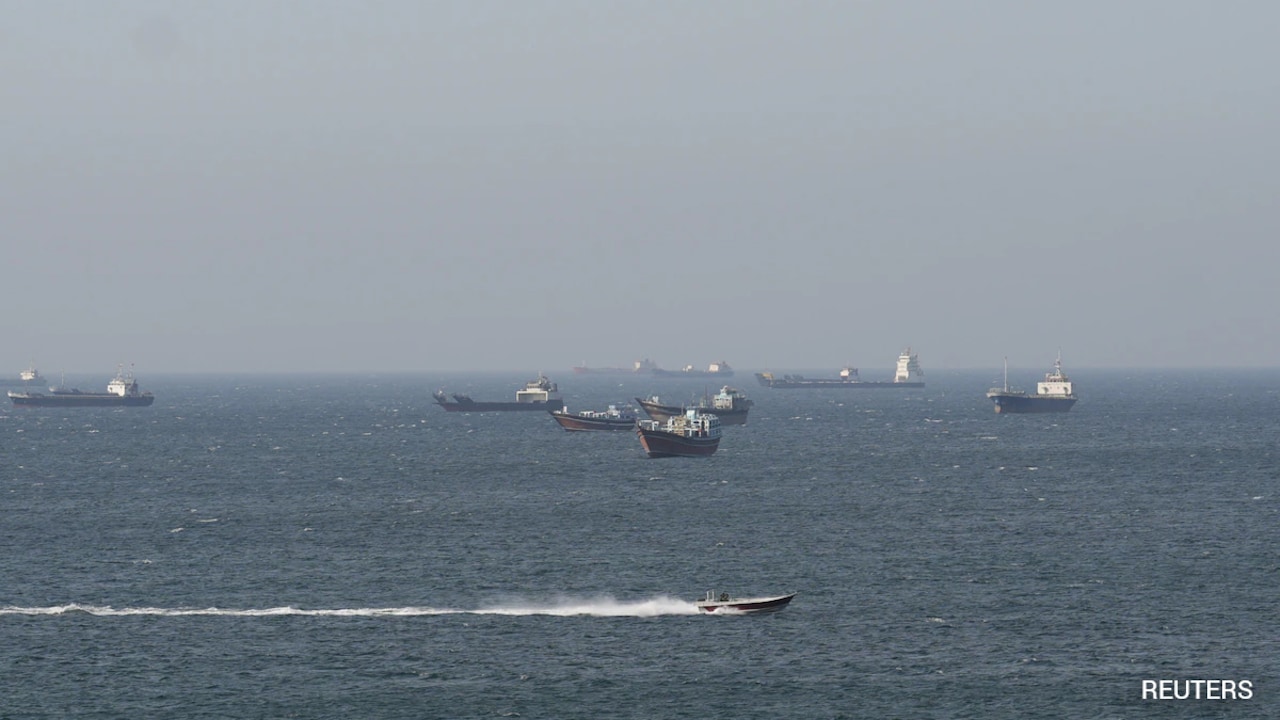
The issuance of a temporary 60-day general license by the U.S. Department of the Treasury Office of Foreign Assets Control (OFAC) authorizing the production, delivery, and sale of Iranian crude oil through August 21, 2026, marks an operational shift in global energy logistics. This structural intervention disrupts the risk premiums previously priced into Brent crude futures, which dropped 3.3% to $77.91 per barrel immediately following the announcement. Rather than a permanent policy change, this waiver operates as a transactional bridge. It establishes a direct quid pro quo framework: short-term financial liquidity for Tehran in exchange for verifiable concessions regarding maritime transit and nuclear oversight.
Understanding the structural impact of this policy requires isolating the mechanical adjustments it introduces to global trade, banking, and maritime insurance.
The Three Pillars of the OFAC General License
The mechanics of the 60-day waiver do not dismantle the foundational architecture of U.S. secondary sanctions against Iranian entities. Instead, the framework suspends enforcement mechanisms on specific nodes within the global supply chain to permit immediate market access.
1. The Shipper and Buyer Immunization Mechanism
The primary bottleneck for Iranian oil prior to this directive was not a lack of extraction capacity, but the systemic risk imposed on global intermediaries. The new general license selectively waives the application of secondary sanctions on international buyers, leaving the underlying sanctions on Iranian political and military entities intact.
- Payment Infrastructure: The authorization permits transactions denominated in U.S. dollars for crude, refined petroleum products, and petrochemicals. This allows the utilization of standard clearing mechanisms that were previously completely blocked.
- Maritime Services: The scope of the waiver explicitly covers critical maritime operational inputs: vessel management, bunkering, crewing, piloting, registration, flagging, and salvage operations.
2. Supply Chain Re-Integration and Tanker Legitimization
A critical variable in this framework is the explicit inclusion of tankers previously placed on the U.S. sanctions list. By permitting international maritime service providers to interact with these vessels without triggering secondary penalties, the waiver instantly increases the global pool of viable deadweight tonnage (DWT) available for crude transport. This lowers freight premiums across the Middle East Gulf region by absorbing the structural inefficiencies of the "shadow fleet."
3. Structural Permission for U.S. Transshipment
The general license includes a provision allowing the import of Iranian-origin crude and petroleum products directly into the United States when necessary to complete an underlying commercial transaction or offloading sequence. This represents an unprecedented departure from decades of energy trade policy and functions as a compliance clearinghouse, ensuring that multinational conglomerates can process mixed or transshipped cargoes without the risk of asset forfeiture at U.S. ports.
Market Absorption Dynamics and Buyer Asymmetry
The 60-day temporal constraint introduces a significant variance in how different market participants respond to the sudden availability of Iranian crude. The short duration creates an immediate division between state-controlled energy entities and independent refiners.
+--------------------------+--------------------------------------------------------+
| Buyer Classification     | Operational Response Structure                          |
+--------------------------+--------------------------------------------------------+
| Independent Refiners     | Rapid spot-market procurement; high tolerance for      |
| (e.g., China Teapots)    | regulatory volatility due to existing clearing loops.  |
+--------------------------+--------------------------------------------------------+
| State-Controlled Firms   | High friction; prolonged legal reviews prevent rapid    |
| (e.g., India, East Asia) | supply-chain integration within a 60-day window.       |
+--------------------------+--------------------------------------------------------+
Independent refiners in Asia, particularly those unaligned with Western financial systems, previously absorbed the majority of illicit Iranian flows at steep discounts. The legal regularisation of these flows reduces the necessity for deep discounts, thereby shifting Iran’s pricing power upward on the spot market.
Conversely, major state-controlled refiners in India and standard commercial buyers across East Asia operate under strict compliance mandates. A 60-day window is frequently insufficient to clear corporate legal risk assessments. These entities require structural certainty before reconfiguring their refinery configurations to process heavy Iranian crude slates. The risk of a "snapback" of sanctions on August 21, 2026, means that commercial entities face the threat of holding stranded assets or un-executable long-term contracts if negotiations collapse.
Geopolitical Friction Points and the Verification Framework
The temporary lifting of energy export curbs functions as a tactical tool to sustain the broader diplomatic memorandum of understanding signed on June 18, 2026. The sustainability of this equilibrium depends entirely on two verification loops.
The Maritime Security Variable
Iran’s commitment to "free and open transit" in the Strait of Hormuz acts as the primary condition for the ongoing validity of the general license. Because approximately one-fifth of the world's liquid petroleum consumption passes through this chokepoint daily, the removal of kinetic threats and blockades instantly deflates the war risk insurance premiums that had driven global crude prices higher following the escalation earlier in the year.
The Nuclear Inspection Verification Loop
The second condition requires Tehran to permit the re-entry and unhindered oversight of International Atomic Energy Agency (IAEA) inspectors. The U.S. executive branch retains the explicit authority to terminate the general license prior to the August 21 deadline if IAEA reporting indicates non-compliance. This creates a highly compressed performance framework.
Strategic Playbook for Energy Traders and Supply Chain Asset Managers
The compressed timeline requires immediate operational positioning rather than passive observation. Market participants must structure their exposure around the high probability of a volatility spike as the August 21 deadline approaches.
First, commercial procurement teams must restrict purchases strictly to spot-market cargoes with verified delivery dates falling at least seven business days prior to August 21, 2026. This buffer mitigates the risk of clearing or offloading delays that could expose the cargo to sudden snapback penalties while in transit.
Second, freight derivative traders should look to exploit the temporary oversupply of legal shipping capacity. The entry of previously sanctioned tankers into the compliant market will temporarily depress Clean and Dirty Tanker spot rates in the short term. However, long positions on Q4 2026 freight options represent a mispriced asset, as any failure to extend the Swiss-mediated peace talks beyond 60 days will instantly remove this tonnage from the market, triggering a rapid correction in shipping costs.
The immediate drop in Brent crude futures reflects short-term sentiment rather than long-term physical rebalancing. The true structural test occurs in the final two weeks of the waiver window, where the volume of unhedged physical commitments will dictate the real cost of geopolitical risk in the modern energy supply chain.