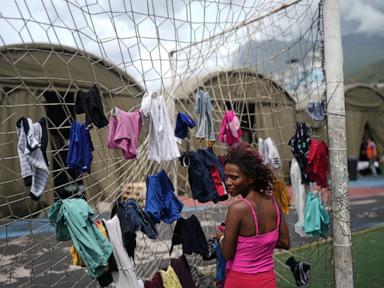
Seismic events in regions experiencing protracted socioeconomic instability do not merely damage physical infrastructure; they accelerate the collapse of highly interdependent municipal systems. When an earthquake strikes an area with pre-existing structural deficits—such as contemporary Venezuela—the resulting humanitarian crisis is not a random accumulation of misfortunes. It is a predictable, mathematically traceable cascade of systemic failures. The immediate physical destruction triggers an immediate secondary crisis characterized by a spike in acute waterborne illnesses and the rapid destabilization of chronic disease management.
To systematically address and mitigate these compounding health failures, intervention strategies must shift from reactive supply distribution to a structural understanding of two distinct operational vectors: the Contamination Velocity Loop and the Chronic Care Bottleneck.
The Contamination Velocity Loop
The surge of acute diarrheal diseases following an earthquake in a vulnerable urban setting is directly governed by fluid dynamics, vector biology, and the destruction of containment architecture. Rather than viewing the outbreak as a vague "sanitation issue," it must be modeled as an acceleration of pathogen transmission vectors across three specific friction points.
Hydrostatic Pressure Reversal and Cross-Contamination
In a functional urban layout, pressurized clean water lines run parallel to gravity-fed subterranean sewage networks. When seismic activity fractures both systems simultaneously, the immediate drop in water line pressure creates a vacuum effect. Subsurface soil saturated with raw sewage is drawn directly into the clean water distribution grid through these pressure deltas.
Even if central water treatment facilities remain operational, the distribution network itself becomes a highly efficient vector for pathogens such as Vibrio cholerae and various Campylobacter species. The velocity of contamination increases exponentially if population centers rely on localized shallow wells, which face immediate, un-filtrated runoff from ruptured septic systems.
The Breakdown of Volumetric Water Minimums
Human survival and basic sanitation require a strict volumetric threshold of water per individual. The standard international metric for disaster response dictates a minimum of 15 liters per person per day for drinking, cooking, and hygiene.
When infrastructure collapse drives availability below 3 to 5 liters, individuals enter a triage state regarding water utilization. Handwashing and utensil sterilization are discarded to preserve metabolic hydration. This behavioral shift removes the primary barrier against the fecal-oral transmission route, transforming localized family units into closed-loop transmission hubs.
Secondary Vector Expansion via Waste Stagnation
The destruction of municipal solid waste management and wastewater treatment plants creates static pools of highly organic effluent. These zones serve as optimal breeding grounds for dipteran vectors and mechanical disease transmitters like houseflies (Musca domestica). The physical displacement of populations into dense, temporary informal settlements lacks the spatial buffering required to prevent these vectors from bridging the gap between open refuse and food preparation surfaces.
The Chronic Care Bottleneck and Metabolic Triage
While acute infectious outbreaks present an immediate, high-visibility threat, the quiet destabilization of chronic disease management carries an equal, if not higher, cumulative mortality rate in the weeks following a disaster. In a structural crisis, chronic conditions like hypertension, type 1 and type 2 diabetes, and end-stage renal disease shift from managed states to acute emergencies due to three distinct systemic ruptures.
[Pre-existing Chronic Disease]
       │
       ▼
┌────────────────────────────────────────┐
│   Earthquake-Induced Supply Shock      │
└──────────────────┬─────────────────────┘
                   │
                   ├─► Supply Chain Rupture (Cold Chain Failure)
                   ├─► Diagnostic Infrastructure Collapse
                   └─► Clinical Labor Dispersal
                   │
                   ▼
┌────────────────────────────────────────┐
│       Metabolic Triage State           │
└────────────────────────────────────────┘
Cold Chain Disruption and Biologics Degradation
Logistical networks depend heavily on a continuous temperature-controlled supply chain. Electrical grid failures caused by substation damage or fuel shortages for backup generators immediately compromise insulin, vaccines, and essential biological therapies.
Insulin stored above optimal thermal thresholds undergoes rapid protein denaturation, drastically reducing its bio-efficacy. For a diabetic population displaced by an earthquake, this results in an immediate slide toward diabetic ketoacidosis (DKA)—a condition requiring intensive, high-hydration clinical intervention that a collapsed medical system cannot provide.
Diagnostic Infrastructure Blindness
Managing chronic illness requires continuous, data-driven calibration. The destruction of clinical laboratories, loss of power for automated chemistry analyzers, and shortages of basic reagents strip medical personnel of the ability to monitor critical biomarkers such as serum potassium, blood urea nitrogen (BUN), and blood glucose levels.
Without these data points, clinicians cannot safely titrate medications. Treating a patient presenting with vague cardiovascular symptoms without knowing if they are experiencing hyperkalemia or simple dehydration creates an operational blind spot where standard empiric treatments can prove fatal.
The Mechanical Interruption of Renal and Cardiovascular Therapy
Certain chronic conditions are tied to fixed, high-energy infrastructure. End-stage renal disease requires bi- or tri-weekly hemodialysis. A regional power failure or the contamination of the specialized, hyper-purified water inputs required for dialysis machines turns a chronic condition into a terminal 72-hour countdown.
When these facilities go offline, patients flood emergency triage areas with acute pulmonary edema and uremic toxicity, consuming scarce clinical bandwidth that would otherwise be allocated to trauma or acute infection control.
Resource Allocation Frameworks under Severe Constraints
When international aid or centralized state responses attempt to mitigate these compounding crises, they frequently fail by deploying undifferentiated resources. Effective intervention requires a rigid prioritization framework that addresses root infrastructure mechanics rather than treating superficial symptoms.
| Intervention Tier | Target Metric | Core Mechanism | Operational Limitation |
|---|---|---|---|
| Tier 1: Point-of-Use (POU) Decentralization | Reduction in acute diarrheal incidence | Chlorine dioxide dosing; distribution of high-flux ceramic gravity filters at the household level. | Dependent entirely on user compliance and baseline education. |
| Tier 2: Metabolic Stabilization Units | Prevention of avoidable chronic mortality | Establishing low-power diagnostic hubs using point-of-care (POC) handheld meters and solar-recharged cold storage. | Limited to stabilization; cannot replace complex surgical or long-term oncological care. |
| Tier 3: Hydraulic Isolation | Structural restoration of clean water supply | Mechanical valving to isolate fractured distribution zones from functional trunk lines. | Requires heavy machinery and skilled engineering assets often unavailable in early disaster phases. |
The Fallacy of Bulk Pharmaceutical Dumping
A common error in disaster response is the rapid importation of heterogeneous, un-targeted pharmaceutical supplies. Shipping tons of mixed antibiotics and specialized cardiovascular medications into a zone lacking inventory tracking, clean water for ingestion, or diagnostic capabilities creates a secondary logistical bottleneck.
Unsorted medications clog airport tarmacs and warehouse floors, diverting labor from high-priority distribution tasks. The optimal approach requires standardized, modular health kits paired explicitly with the specific water and sanitation assets necessary to make those medications clinically viable.
Operational Blueprint for Non-Governmental Response Teams
To maximize life-saving efficiency in Venezuelan communities or similar fractured urban environments post-earthquake, field operations must reject generalized humanitarian rhetoric and execute a highly targeted, two-pronged execution strategy.
Step 1: Immediate Decentralization of the Water Grid
Do not attempt the immediate repair of central water treatment plants or major urban pipe networks. These projects require long capital cycles and stable energy inputs. Instead, treat the population as a collection of autonomous micro-grids.
- Deploy bulk shipments of Point-of-Use (POU) water treatment technologies directly to community leaders, bypassing central municipal distribution if it is compromised. Priority must be given to sodium hypochlorite solutions or solid-state chlorine dioxide tablets due to their residual disinfection properties, which protect water from re-contamination during storage in compromised shelters.
- Establish localized, solar-powered water purification points using mobile Ultrafiltration (UF) or Reverse Osmosis (RO) skid units at designated geographic intervals. These units must be paired with strict vector-control zones within a 50-meter radius to prevent the accumulation of stagnant water around collection points.
Step 2: Establish Low-Power Chronic Triage Hubs
To prevent the emergency medical system from being completely overwhelmed by chronic metabolic failures, distinct clinical tracks must be carved out immediately.
- Construct modular, off-grid stabilization centers powered entirely by independent solar-battery arrays. These centers must be structurally isolated from trauma units.
- Equip these centers exclusively with point-of-care (POC) diagnostic devices that operate on battery power and utilize dry-reagent strips. Focus monitoring strictly on blood glucose, ketones, and basic electrolytes.
- Implement a strict protocol-driven triage system: patients with manageable chronic spikes are stabilized using localized, non-denatured medication reserves (maintained via solar-powered refrigeration), while patients requiring high-infrastructure interventions (like hemodialysis) are identified early for prioritized medical evacuation to unaffected regions, rather than allowing them to consume local emergency assets until they reach an irreversible state.