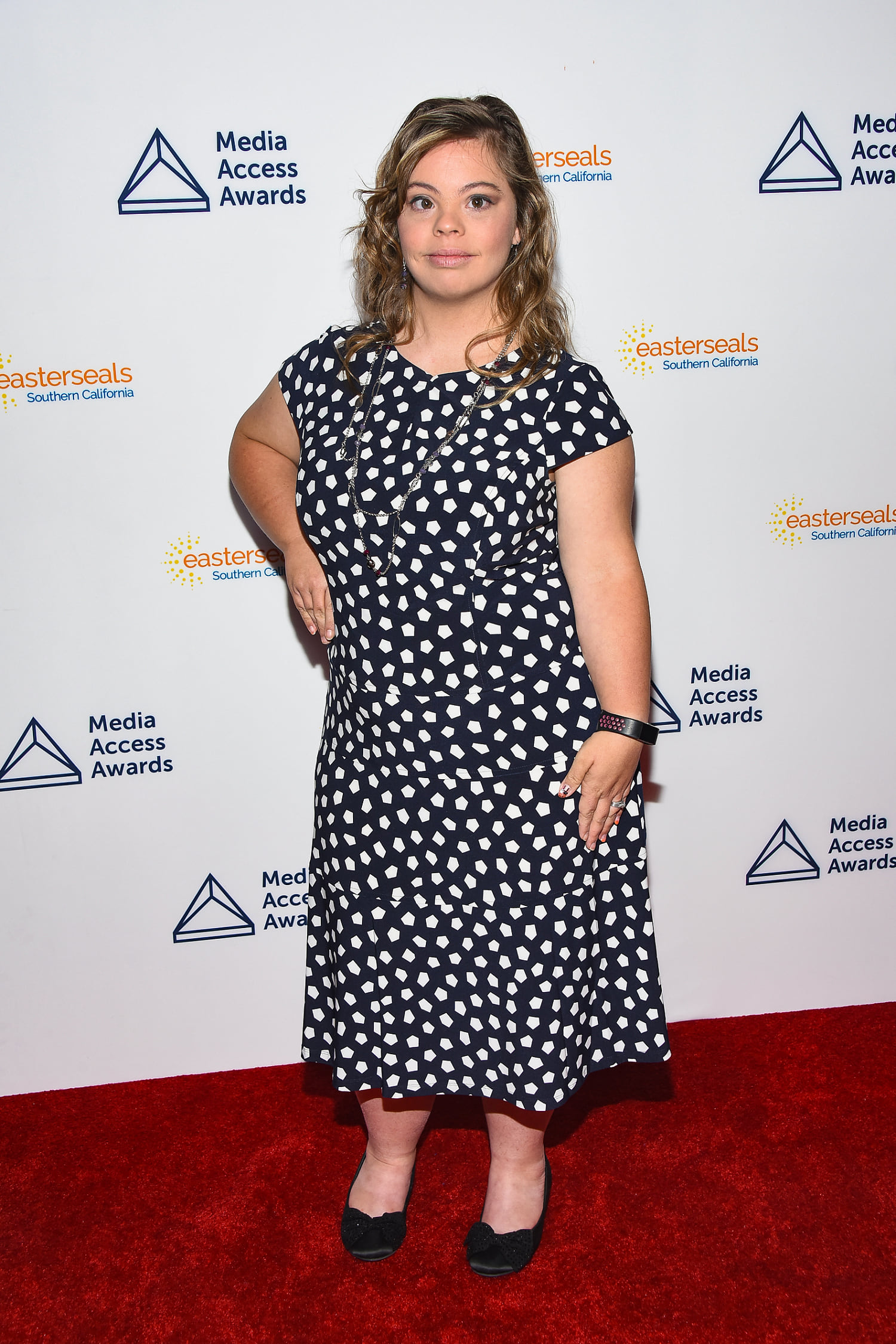
The unexpected death of Cristina Sanz at age 36 from sudden cardiac arrest highlights a critical inflection point in the media economics of neurodiversity and disability representation. As a core cast member of A&E’s Emmy-winning reality series Born This Way, Sanz did not merely participate in a reality television project; she was part of a structured shift in how unscripted television monetizes, frames, and scales human-interest narratives. Analyzing her impact requires moving past standard obituary conventions to evaluate the systemic frameworks of representation, the audience mechanics of advocacy-driven media, and the physiological realities underlying Down syndrome narratives.
The Tri-Partite Framework of Advocacy Media
To understand the structural significance of Born This Way, the series must be dismantled into three functional pillars that enabled it to achieve critical and commercial viability where traditional programming failed.
- The Normalization Pivot: Traditional media historical models relied on a binary categorization of disability: the tragic burden or the inspirational anomaly. The structural thesis of Born This Way inverted this by focusing on standard coming-of-age milestones—employment, romantic relationships, and independent living. Capitalizing on these universal narrative drivers minimized the psychological distance between the subject and the neurotypical viewer.
- The Institutional Endorsement Loop: The series secured institutional authority by aligning with advocacy groups like Best Buddies and the National Down Syndrome Society. This created an authentic marketing loop, ensuring a built-in, highly engaged audience that insulated the network against risks associated with pioneering unscripted content in a sensitive demographic.
- The De-stigmatization Economic Model: By proving that authentic representation could capture mainstream advertisers and secure multiple Primetime Emmy Awards, the production demonstrated that diversity-focused unscripted content is a viable commercial asset, not a charitable write-off.
The Congenital Baseline and Health Risk Vulnerabilities
The sudden passing of Sanz due to cardiac arrest brings to light the structural health variables inherent to individuals with Down syndrome (Trisomy 21). Media coverage frequently treats these medical events as isolated, unpredictable anomalies, yet clinical data reveals specific anatomical and physiological baseline vulnerabilities.
Approximately 50% of infants born with Down syndrome present with congenital heart defects (CHDs), most notably atrioventricular septal defects. While surgical interventions have dramatically increased life expectancy over the last four decades, the long-term cardiac risk profile remains elevated compared to the neurotypical population. Adults with Trisomy 21 face distinct systemic challenges, including accelerated aging, autonomic nervous system dysfunction, and a higher prevalence of sleep apnea, which places chronic stress on the cardiovascular system.
When analyzing the mortality data of this demographic, the structural bottleneck is rarely a single acute event isolation; instead, it is the intersection of these congenital vulnerabilities with systemic healthcare gaps. Adults with developmental disabilities frequently experience diagnostic overshadowing—a phenomenon where clinical symptoms are misattributed to the patient's underlying developmental condition rather than recognized as an emerging, separate medical crisis.
Structural Limitations of the Reality Television Format
While Born This Way broke structural barriers, unscripted television possesses inherent operational constraints when dealing with marginalized populations.
First, the curation paradox. To maintain commercial viability, producers must select participants who possess high verbal acuity and a degree of independence that may not reflect the full spectrum of Trisomy 21. This creates a highly specific, curated reality that can inadvertently establish unrealistic benchmarks for individuals with more profound cognitive or physical challenges.
Second, the emotional labor of public advocacy. Cast members on reality television open their private milestones to public consumption and critique. For individuals navigating the complexities of neurodiversity, managing public profiles, media tours, and fan expectations introduces an acute layer of psychological stress. The infrastructure of reality television production is optimized for maximum emotional output, which requires careful ethical guardrails when working with vulnerable demographics to ensure long-term mental and emotional stability post-production.
The legacy of media figures like Cristina Sanz is institutionalized through the production blue prints they leave behind. Media executives and creators looking to build upon this framework must move away from retrospective tributes and instead codify strict operational standards: embedding specialized medical and psychological consultants directly into production budgets, mandating long-term post-series support frameworks, and diversifying casting models to reflect the true heterogeneous nature of the communities they portray.
Born This Way's Cristina Sanz Dead at 36 | E! News This news report confirms the statement from the family regarding Cristina Sanz's passing and highlights her contribution to the Emmy-winning series.