The headlines are predictable. Nine miners dead in Mexico. A tenth missing. Immediate calls for "investigations" into the mining firm’s liability. Public outrage directed at the boardrooms. It is the same tired script every time a shaft collapses or a cartel-linked kidnapping turns into a mass burial.
The mainstream media wants you to believe this is a story of corporate negligence. They want a villain in a suit. They want a specific company to blame so they can ignore the systemic rot that actually killed those men. If you focus on the company, you are missing the point entirely. In the lawless fringes of the Mexican mining sector, the company isn't the predator. Often, it's just the next victim in line, or more accurately, a ghost entity operating in a vacuum where the state has completely abdicated its duty.
Stop asking if the company is to blame. Start asking why the Mexican government allows "informal" mining to function as a paramilitary piggy bank.
The Myth of the Rogue Corporation
Whenever a mining disaster hits the press, the "lazy consensus" assumes a massive, well-funded corporation cut corners on safety to pad its Q3 earnings. That is a fantasy. In the regions where these kidnappings and "accidents" happen—places like Coahuila or Guerrero—the lines between legal industry, informal labor, and organized crime are not just blurred; they are non-existent.
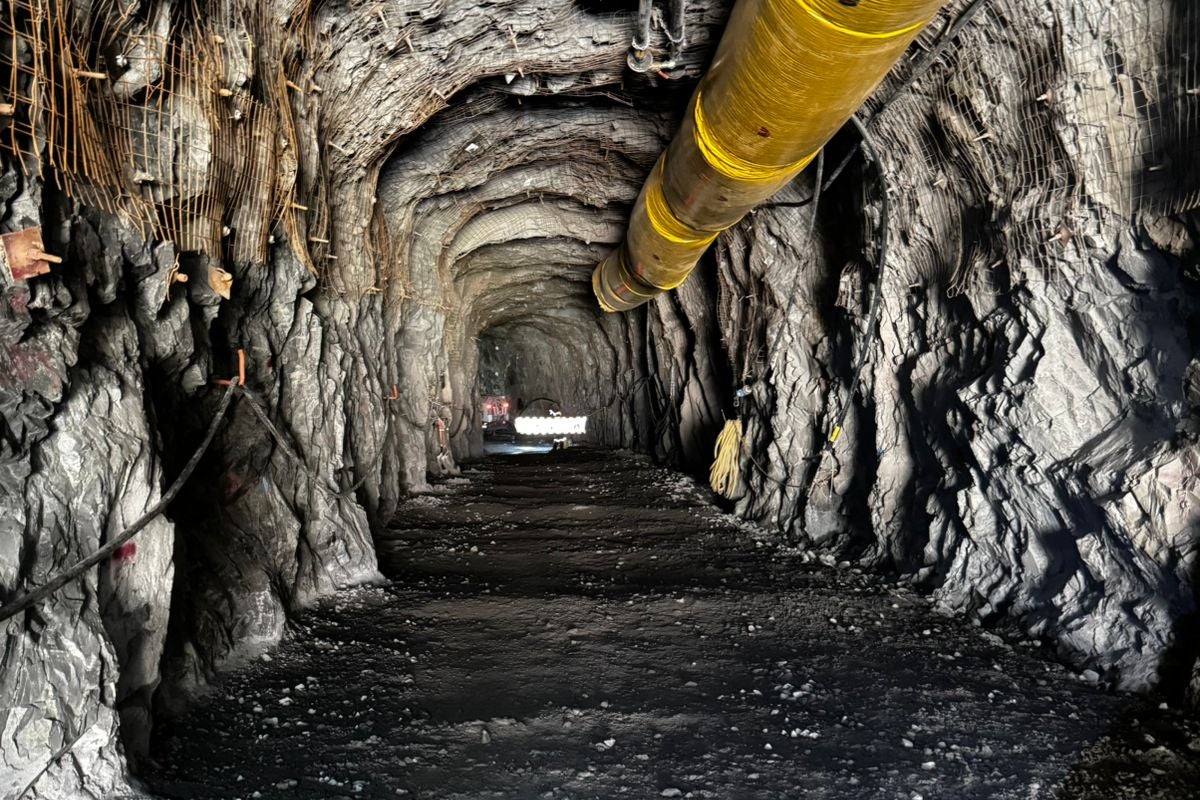
Most of these tragic sites are pozos—small, rudimentary coal pits. They aren't run by multinationals with HR departments and safety inspectors. They are often "illegal" or "informal" operations that exist because the federal government refuses to formalize the labor market. These sites are the lifeblood of local economies, yet they operate in a legal grey zone that makes safety regulations impossible to enforce.
When nine miners are found dead after a kidnapping, we aren't looking at a safety violation. We are looking at a security collapse. Blaming the "company" for failing to protect miners against armed cartels is like blaming a convenience store clerk for getting robbed at gunpoint. It shifts the burden of sovereign protection from the government to the private citizen.
The Cartel Tax Is the Real Regulatory Burden
I have spent years watching how supply chains dissolve in high-conflict zones. In Mexico, the biggest "operating expense" for a mine isn't equipment or labor. It’s the derecho de piso—the protection money paid to whoever holds the local territory.
When a company refuses to pay, miners get kidnapped. When a company pays but can’t afford safety gear because the cartel took the margin, miners die in collapses.
The media focuses on the "investigation" into the company. This is a brilliant distraction for the Mexican authorities. By framing this as a corporate crime, the state avoids answering for the fact that they have lost monopoly on the use of force in these regions.
If the government cannot guarantee the safety of its citizens from armed groups, there is no such thing as a "legal" mining operation. Every ton of ore pulled from these hills is soaked in a failure of statecraft.
Why Safety Regulations Are a Paper Shield
People love to cite the lack of safety inspections. "Why weren't the inspectors there?" they ask.
Imagine a scenario where a government inspector is sent to a remote mine controlled by a regional cartel. If that inspector finds a violation and tries to shut the mine down, they aren't just taking away a company's profit. They are taking away the cartel's revenue stream. In many parts of Mexico, that is a death sentence for the inspector.
The result? "Ghost inspections." Paperwork is filed. Bribes are paid. The mine stays open.
- The Problem: We treat mining safety as a technical issue (ventilation, bracing, PPE).
- The Reality: Mining safety in Mexico is a security issue. You cannot have a safe mine in an unsafe territory.
The "investigation" currently being touted by the authorities will likely find that the company lacked "proper permits" or "adequate safety protocols." They will fine a shell company that has no assets, or arrest a low-level foreman. They will pat themselves on the back for "holding the company accountable," while the same cartels move to the next pit three miles away.
The High Cost of the "Formal" Obsession
There is a push from international NGOs to force all Mexican mining into a strictly formal, corporate model. On the surface, this sounds logical. Big companies have bigger budgets for safety, right?
Wrong. In the current Mexican climate, "going formal" just makes you a bigger, more stationary target. A large, visible mining operation is an ATM for organized crime. This is why we see a proliferation of these small, "informal" pits. They are agile. They are harder to regulate, yes, but they are also the only way local populations can survive when the state offers no other economic path.
The tragedy of the nine dead miners isn't that they worked for a "bad" company. It’s that they lived in an environment where the only available work was in a high-risk, low-reward shadow economy that their own government is too cowardly to stabilize.
Stop Fixating on the Body Count
Nine dead. One missing. These numbers are horrific, but they are symptoms, not the disease. If you want to stop the next disaster, you don't need more mining regulations. You need a functioning judiciary and a military that actually contests cartel territory instead of "hugging" them.
The current administration's "hugs, not bullets" (abrazos, no balazos) policy is the direct architect of these miners' graves. When you signal to criminal organizations that there will be no confrontation, you hand them the keys to every industry in the rural interior. Mining is just the most visible casualty because it happens underground.
The Brutal Truth for Investors
If you are an investor looking at Mexican mineral assets, stop reading the ESG reports. They are fiction. Your "Social" and "Governance" scores mean nothing when the local boss decides to hijack your transport trucks or kidnap your workforce.
True due diligence in this sector requires understanding the territorial control of the Sinaloa Cartel or the CJNG better than you understand the geological surveys. If your "company" is operating in a red zone, you aren't running a business; you are running a hostage situation with extra steps.
The Actionable Pivot
We must stop treating these incidents as industrial accidents. They are human rights violations enabled by state negligence.
- Demand Security, Not Just Inspections: International pressure should be on the Mexican federal government to provide security corridors for resource extraction.
- Expose the Shell Game: Journalists must stop citing the name of the "company" as if it’s a standalone entity and start tracing the money to the local political bosses who protect these illegal pits.
- Acknowledge the Trade-off: If we want "safe" minerals, we have to accept that the cost of production in Mexico must include the cost of a massive security apparatus. If the price of coal or silver doesn't reflect that, someone is paying for it with their life.
The investigation will conclude. A few bureaucrats will give somber press conferences. A company name you've never heard of will be blacklisted. And next month, another group of men will descend into a dark, brittle hole in the ground, praying that the mountain—or the men with rifles—don't decide it's their time.
Stop blaming the company for a fire the government started.