The rain in London does not fall so much as it suspends itself in the air, a heavy, damp shroud that blurs the edges of the streetlamps along Downing Street. Inside Number 10, the silence is always different after a defeat. It is not the quiet of peace; it is the static hum of a television channel that has gone off the air, a low-frequency vibration that rattles the teacups and settles deep into the floorboards.
Keir Starmer sat at his desk, staring at a map of a constituency most people outside of its borders could not find on a map without a struggle. A by-election. A solitary, localized tremor. Yet, in the modern architecture of British politics, a single loose brick can bring down the entire facade.
He had built his career on the concept of structure. As a prosecutor, he believed in evidence, files neatly arranged in manila folders, and the predictable mechanics of the law. He brought that same methodical precision to government. But the electorate is not a jury. It does not weigh arguments with cool detachment. It acts on feeling, on exhaustion, and on the sudden, volatile urge to smash the nearest glass object just to see if anyone is paying attention.
They were not paying attention to the policy white papers. They were paying attention to the price of butter.
Consider the anatomy of a political collapse. It rarely happens with a grand, theatrical betrayal. Instead, it occurs in small rooms on rainy Thursday afternoons, where volunteers come back to campaign headquarters with mud on their boots and a look in their eyes that says everything before they even open their mouths. The numbers on the screen fluctuated, dipped, and then plunged. The setback was undeniable. The mandate, once thought to be a concrete foundation, revealed itself to be nothing more than dry sand.
The decision to step down did not come during a frantic meeting with advisors yelling over one another. It arrived in the quiet moment immediately after. The realization that the narrative had slipped entirely from his fingers. Once a leader becomes the symbol of a stalemate, no amount of strategic repositioning can scrub the image clean from the public mind.
Power is a strange substance. We speak about it as if it can be held, measured, or stored in a vault. In reality, it exists only because people choose to believe it exists. The moment that collective belief wavers, the walls of the palace turn back into cardboard.
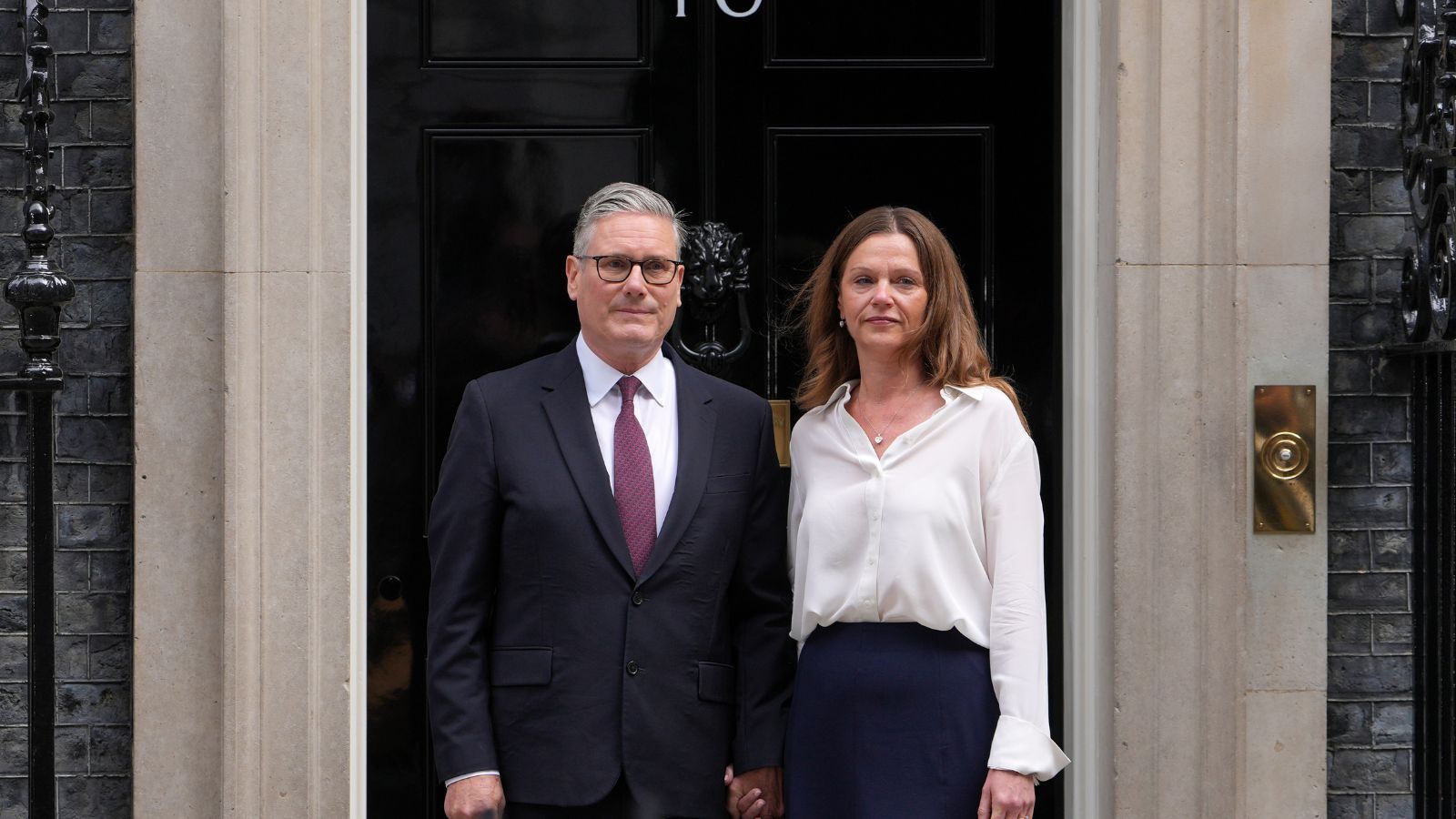
Outside, the cameras were already arriving, their tripods clicking against the pavement like a swarm of mechanical insects. They waited for the man who had promised stability to tell them that the ground beneath their feet had shifted once again. He straightened his tie. He walked toward the door. The handle felt cold, solid, and entirely indifferent to the history about to be made on the other side.