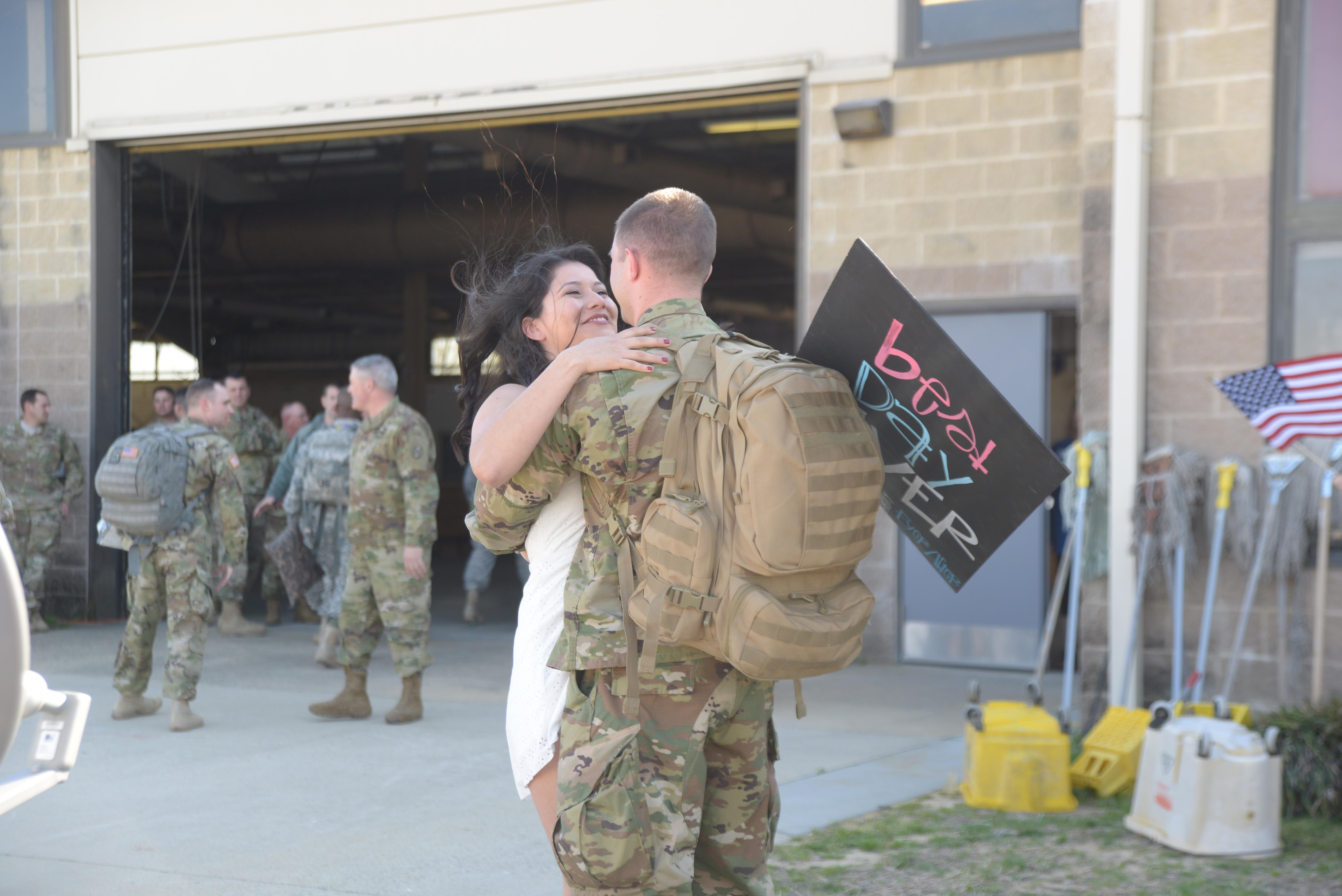
The media loves a tear-jerker about a "gold star family" or a "hero’s wife" caught in the gears of the immigration machine. They frame the detention of Alejandra Juarez or similar cases as a tragic glitch in a cold system. They want you to believe that a soldier’s service record acts as a magical legal shield for their family members.
It doesn't. Nor should it.
If you think a uniform grants a spouse immunity from federal law, you don’t understand the military, and you certainly don’t understand the law. We are currently witnessing a massive emotional shell game. Activists use the optics of a camo-clad husband to distract from the reality of a civil violation. The narrative suggests that by enforcing the law, the government is "betraying" its troops. This is a false choice designed to bypass the rule of law through sentimental blackmail.
The Myth of the Military Exception
Most reporting on these cases relies on a fundamental misunderstanding of "Parole in Place" (PIP). PIP is an administrative tool, not an inherent right. It allows certain family members of military personnel who are in the country without inspection to stay and apply for a green card.
Here is the part the "outrage machine" skips: PIP is discretionary.
The Secretary of Homeland Security has the authority to grant it on a case-by-case basis for "urgent humanitarian reasons" or "significant public benefit." It is not a blanket amnesty for anyone who marries into the armed forces. When a spouse is detained or deported despite their partner’s service, it isn't a "failure of the system." It is the system functioning exactly as it was designed—evaluating individual cases against the statutory requirements of the Immigration and Nationality Act.
I have seen legal teams burn through thousands of dollars trying to litigate "feelings" when the facts were already set in stone. If a spouse has a prior deportation order or a criminal record, the "military spouse" tag becomes legally secondary. The law prioritizes the integrity of the border over the marital status of a Private First Class.
Sentimentality is a Terrible Legal Strategy
The competitor’s coverage focuses on the emotional toll: the crying children, the separated lovers, the "betrayal" of a man who served his country. While those emotions are real, they are legally irrelevant.
In the courtroom, "He’s a good soldier" is not a rebuttal to "She entered the country illegally and failed to comply with a previous removal order."
By focusing on the tragedy, we ignore the actual mechanics of the law. This does a massive disservice to military families. It gives them a false sense of security. It makes them believe that as long as they get a few headlines and a sympathetic congressperson, they can ignore the reality of their legal standing.
Real advocacy isn't about crying on camera. It’s about understanding that the military is a separate entity from the Department of Homeland Security. One provides the muscle; the other provides the gates. Just because you work for the muscle doesn't mean the gates don't apply to you.
The National Security Fallacy
Arguments for these "exceptions" often claim that deporting military spouses harms "national security" by distracting soldiers from their mission. This is a stretch that would make a yoga instructor blush.
If we define "national security" as "anything that makes a soldier's life easier," we have no borders left. A soldier who is worried about their spouse's legal status is a tragedy of personal circumstances, not a threat to the operational readiness of the United States Army. The military deals with distractions every day—divorce, debt, health crises. We don't suspend federal law for those, either.
- Logic Check: If a soldier’s wife is caught in a tax evasion scheme, do we stop the IRS because it might "distract" the soldier?
- The Reality: We expect our service members to follow the law and ensure their households do the same.
The argument that military service creates a special class of citizens whose families are above immigration enforcement is fundamentally anti-democratic. It smacks of a praetorian guard mentality where the military class receives perks and exemptions denied to the "civilian" population. In a republic, the law is the law, regardless of whether you wear boots or wingtips.
Why the "Parole in Place" Fix is a Band-Aid
Activists scream for more robust PIP protections. They want it codified. They want it guaranteed.
They are asking the wrong question.
The issue isn't that PIP is too hard to get. The issue is that we have created a system where people believe a marriage license is a substitute for a visa. Marrying a U.S. citizen—even a soldier—does not automatically grant you legal status. It never has. It is a pathway, and that pathway has checkpoints. If you tried to skip the line earlier, those checkpoints will catch you.
By focusing on "saving" individual spouses like Alejandra Juarez, we ignore the millions of people who follow the process. We are essentially rewarding those who bypassed the system and then happened to marry someone in uniform.
The Brutal Truth of Selective Enforcement
Let’s be honest about why these stories get traction: the uniform.
If this were the wife of a plumber or a software engineer, there would be no article. No protest. No "outrage."
We are practicing a form of selective empathy that is based on the profession of the husband. This is intellectually dishonest. If the law is unjust, it is unjust for the plumber's wife too. If the law is just, the soldier's wife must follow it.
You cannot claim to support the "rule of law" only when it doesn't affect people whose jobs you find noble. That isn't a principle; it's a preference.
The Cost of the "Hero" Narrative
When we frame these cases as "ICE vs. The Military," we create a rift between two agencies that are supposed to be on the same side. We tell ICE agents—many of whom are veterans themselves—that they are "unpatriotic" for doing the job they were hired to do.
This rhetoric is poisonous. It suggests that patriotism is measured by how many exceptions you make for a specific demographic.
I’ve talked to border agents who are sick of being the villain in a story where they are the only ones actually reading the fine print of the law. They aren't "hunting" military families. They are processing individuals who are in the country illegally. The fact that those individuals have a spouse in the military is a detail, not a defense.
Stop Asking for Mercy and Start Following the Law
The advice given to these families is usually terrible. It’s often "stay quiet and hope for the best" or "go to the media and make a scene."
Neither of those is a legal strategy.
If you are a service member with a spouse in legal limbo, you don’t need a protest. You need a high-priced immigration attorney who specializes in 601A waivers and knows exactly how to navigate the discretionary nature of PIP. You need to accept that your service record is a character reference, not a get-out-of-jail-free card.
The "fix" isn't a new law for military spouses. The fix is a cultural shift away from the idea that certain professions entitle you to a different set of rules.
The military teaches discipline, hierarchy, and adherence to regulations. It is the height of irony that the loudest voices in this debate are asking the government to ignore those very principles because the person involved happens to have a "Dependa" ID card.
The law isn't "broken" because a soldier’s wife was detained. The law is working. It’s just that people don't like the results when they involve a "hero" narrative.
If we want a system that works, we have to stop making exceptions based on the optics of the spouse's career. We have to stop using the military as a shield for administrative failures.
A uniform is a commitment to the Constitution and the laws of the United States. It is not an insurance policy against the consequences of breaking them.
The detention of military spouses isn't a national disgrace. It's a reminder that in this country, no one is supposed to be above the law—not even the people we call heroes.