A military court in Jakarta just handed down its verdict on four soldiers who poured a mixture of battery acid and rust remover over a 27-year-old human rights activist. The maximum sentence given was three years. The victim, Andrie Yunus, lost sight in his right eye and suffered severe chemical burns across a fifth of his body.
If you think three years in prison fits a coordinated, premeditated chemical ambush that permanently disfigured a person, you are in the minority. Human rights groups are calling the trial a sham. The underlying message from the courtroom is clear. If you speak out against the armed forces in Indonesia, the system will protect itself before it protects you.
The Illusion of Individual Initiative
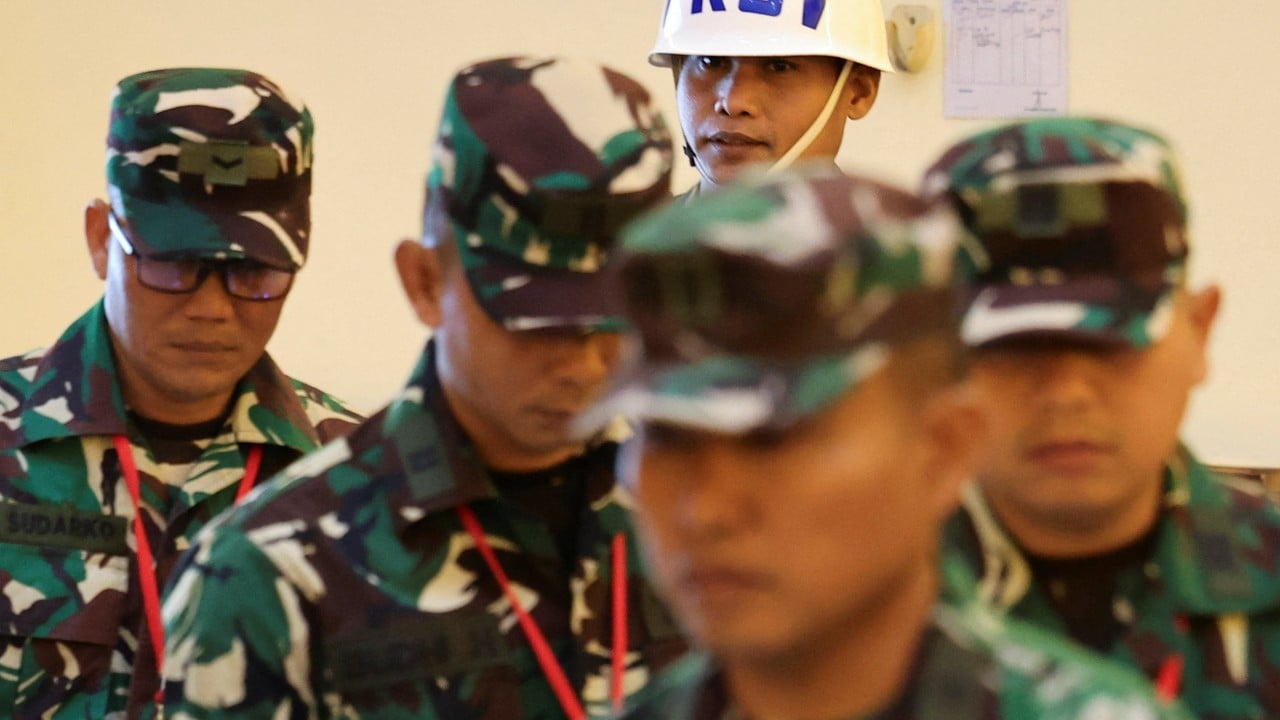
The court ruled that the four soldiers acted completely on their own initiative. Presiding judge Fredy Ferdian Isnartanto labeled their behavior as "arrogant conduct." The official narrative claims these men were simply offended because Andrie, a deputy coordinator for the rights group KontraS, had previously interrupted a closed-door parliamentary meeting to protest the expanding legal powers of the military.
Let's look at who these "spontaneous" actors actually are.
- Edi Sudarko (45): Sentenced to three years and dismissed from the military.
- Budi Hariyanto Widhi Cahyono (43): Sentenced to two and a half years and dismissed.
- Nandala Dwi Prasetya (40): Sentenced to two years.
- Sami Lakka (41): Sentenced to one and a half years.
These are not hot-headed teenage recruits. These are middle-aged officers serving inside the military’s Strategic Intelligence Agency (BAIS). They planned the hit at their military lodgings, procured industrial liquids from a military workshop, and tracked Andrie down after he finished recording a podcast. Pretending that a team of seasoned intelligence officers organized an acid attack purely out of spontaneous institutional pride stretches absolute boundaries of belief.
Shielding the Chain of Command
The head of BAIS, Yudi Abrimantyo, stepped down shortly after the arrests. The military pointed to this resignation as a sign of institutional accountability. Honestly, it looks like a firewall. By sacrificing a few mid-ranking officers and accepting a high-level resignation, the system effectively stopped any deeper investigation into who actually greenlit the hit.
Indonesia’s top human rights watchdog, Komnas HAM, revealed that its own independent investigation linked at least 14 people to the attack. Yet only four stood trial.
"It is a blatant whitewash which brings neither justice nor truth to Andrie Yunus," stated Usman Hamid, head of Amnesty International Indonesia. The verdict effectively ensures that the broader chain of command remains completely untouched by civilian or military prosecutors.
Andrie himself refused to attend the trial hearings. He knew the deck was stacked. Alongside United Nations human rights experts, Andrie had pleaded for the case to be heard in a civilian court. History shows that when the Indonesian military judges its own, true transparency goes out the window.
A Familiar Return to the Past
This attack did not happen in a vacuum. It fits directly into a broader shift under President Prabowo Subianto, a former general whose own past is tied to the military excesses of the Suharto era. Under his administration, the military has steadily clawed back influence over civilian life.
Just last year, parliament pushed through amendments allowing active-duty military personnel to hold a wider array of civilian government posts. Days before this verdict, a new national police law was passed, giving law enforcement sweeping powers that mirror the military's growing reach.
When activists like Andrie challenge this creeping militarization, they face severe retaliation. Before the acid was thrown on March 12, Andrie had received anonymous death threats and noticed men following him to meetings. His colleagues at KontraS report that intimidating messages are still being sent to their families and legal teams today. They are not safe, and they know it.
The light sentences handed down by the military court do exactly what Komnas HAM warned they would do. They create a climate of fear. When the punishment for blinding a prominent critic is a brief stint in a military prison, the message to every journalist, academic, and protester in Indonesia is loud and clear: watch your mouth, because the state will not protect you.
If you want to support independent oversight in Indonesia, follow the ongoing documentation work by organizations like KontraS and Amnesty International Indonesia. Push for civilian court jurisdiction over military personnel who commit crimes against citizens. True systemic accountability will not happen inside a closed military courtroom. It requires relentless public scrutiny from the outside.