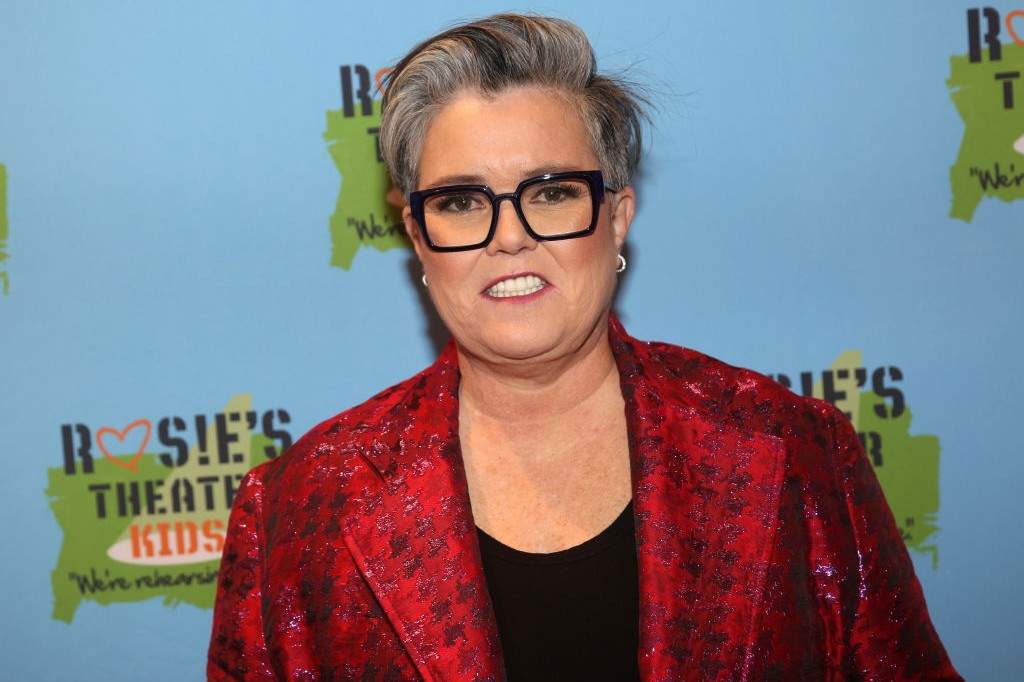
The bathroom mirror in the harsh, unyielding light of 5:00 a.m. does not care about your achievements. It does not care if you have hosted talk shows, won awards, adopted children, or fought public, bruising battles for the rights of others. It merely reflects. And for a long time, Rosie O’Donnell looked into that glass and saw a stranger she felt forced to hide.
We live in a culture that demands two contradictory things at once: age gracefully, but do not dare to actually look old. It is a trap. If you succumb to gravity, the world writes you off as irrelevant. If you pay a surgeon to fight back, you are branded as vain, superficial, or weak.
So, you choose the third option. You do it in secret.
Rosie O’Donnell recently broke the silence on a choice she kept buried beneath the surface for months. She admitted to getting a facelift. She also admitted to the heavy, suffocating blanket of shame that came wrapped around the procedure. Her vulnerability opens a window into a collective psychological battlefield that millions of women walk every single day.
The Weight of the Secret
Imagine the internal negotiation. You spend decades building a brand based on authenticity. You are the blunt, no-nonsense kid from Long Island who tells it like it is. Your fans love you because you do not wear the Hollywood mask.
Then, the jawline softens. The skin loses its elasticity. The camera, which used to be a friend, becomes a harsh judge.
When Rosie decided to undergo a facelift, she did not shout it from the rooftops. She went into the clinic quietly. The surgery was successful, the healing process began, but the emotional aftermath was entirely unexpected. The physical pain of a surgical lift—the tightness, the swelling, the bruising—is temporary. The emotional bruising of feeling like a hypocrite lasts much longer.
Shame is a solitary emotion. It thrives in the dark corners of our minds, whispering that we have failed some invisible test of character. For Rosie, the shame stemmed from a feeling of self-betrayal. How could someone so fiercely independent bend to the pressure of the knife?
The entertainment industry operates on an unwritten contract of illusion. We want the magic, but we do not want to see the smoke and mirrors. We want celebrities to look ageless, but the moment they admit to medical intervention, the spell is broken. Rosie found herself caught between the desire to feel good when she looked in the mirror and the fear of being judged for wanting that very thing.
The Anatomy of the Decision
To understand why a woman with wealth, fame, and a legacy of defiance would feel shameful about a cosmetic procedure, we have to look at the cultural architecture surrounding aging.
Consider the difference in how we treat aging men versus aging women. A man develops silver hair and deep lines around his eyes, and he is deemed distinguished, wise, experienced. A woman develops the same lines, and she is told she looks tired. She is offered serums, fillers, and threads before she can even process the change in her own reflection.
The surgical facelift remains the gold standard of facial rejuvenation, yet it carries the heaviest stigma. It requires anesthesia, incisions, and downtime. It is an undeniable admission that one has fought time and asked for help.
Rosie's experience is not an isolated celebrity anomaly. It mirrors the exact anxiety felt by suburban mothers, corporate executives, and schoolteachers who save up for years to undergo the same operation. They tell their friends they are going on a long vacation. They wear sunglasses indoors. They invent stories about a change in diet or a new skincare routine.
Why? Because the world punishes the aging face, but it despises the effort to fix it.
The Shift to Survival and Satisfaction
But stories change. The human mind cannot live in a state of perpetual hiding without something breaking. For Rosie, the turning point came when the swelling went down, the scars faded into the natural creases of her ears, and the face in the mirror began to align with the energy she felt inside.
She moved from shame to being genuinely pleased with the results.
This transition is crucial. It represents a reclamation of autonomy. The satisfaction did not come from achieving a flawless, eighteen-year-old visage; it came from looking refreshed, healthy, and recognizable to herself. The shame dissolved when she stopped viewing the surgery as a moral failure and started viewing it as a personal choice made for her own well-being.
There is a profound difference between changing your face to please an audience and changing your face to feel comfortable in your own skin. When Rosie owned her truth publicly, she stripped the secret of its power. She took the weapon of judgment out of the hands of the public and the paparazzi.
The Mirage of Natural Beauty
We love the myth of the genetically blessed. We applaud the celebrity who claims their flawless skin is merely the result of drinking three liters of water a day and practicing yoga. It is a comforting lie. It suggests that beauty is a reward for good behavior and clean living.
The reality is far more clinical. The beauty industry is an economy of intervention. By stepping forward and admitting to her facelift, Rosie pulled back the curtain on the mirage. She reminded everyone that aging happens to everyone, and the choices we make to cope with that reality are complex, deeply personal, and entirely valid.
Her confession changes the narrative from one of vanity to one of survival in a world obsessed with youth. It allows other women to breathe a sigh of relief. If Rosie O’Donnell—a woman known for her toughness and raw honesty—can feel insecure about aging and choose surgery, then perhaps the ordinary woman hiding her own cosmetic consultations can stop beating herself up.
The conversation around plastic surgery is shifting, albeit slowly. It is moving away from a gossipy whisper campaign and toward an honest discussion about self-worth, bodily autonomy, and the pressure of the public eye.
Rosie sat in front of her camera, looked directly into the lens, and spoke her truth without the old weight holding her down. The face she showed the world was altered, yes, but the honesty was completely untouched. She proved that you can tighten the skin without losing the soul beneath it.