The High-Velocity Illusion of War
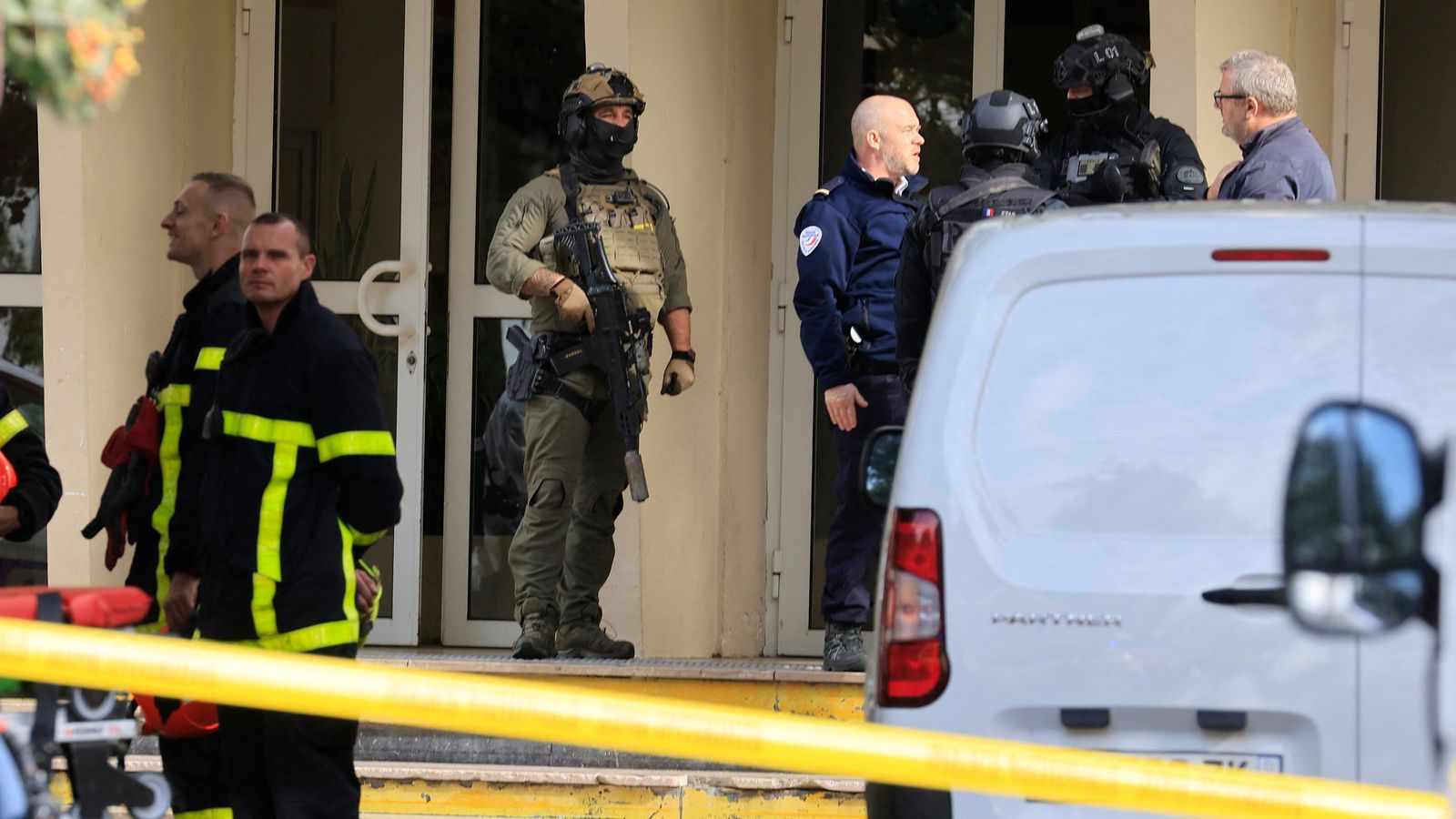
Stop refreshing your feed. The sirens in Tel Aviv and the orange glows over Jerusalem aren't the start of World War III. They are the climax of a highly choreographed, multi-billion-dollar performance.
The mainstream press loves a "breaking news" banner. It drives clicks. It fuels the "imminent collapse" narrative that sells subscriptions. But if you actually track the mechanics of these strikes—specifically the recent Iranian barrage—you’ll see something the talking heads won't admit: this isn't about military victory. It’s about brand management. For a more detailed analysis into similar topics, we suggest: this related article.
When Iran launches a wave of missiles, they aren't trying to "wipe a nation off the map." If they wanted that, they wouldn't telegraph the move hours in advance, allowing the most sophisticated air defense network on earth to warm up its engines. They are performing for three distinct audiences: their own disgruntled hardliners, their proxy networks in the Levant, and the global oil market.
To call this a "missile strike" is to ignore the industrial reality. It’s a stress test. It’s a live-fire advertisement for defense contractors. And most of all, it’s a controlled burn designed to prevent a total forest fire. To get more background on this development, in-depth reporting can be read at BBC News.
The Myth of "Surprise" Attacks
Modern warfare between nation-states with satellite access is never a surprise. The "explosions and sirens" reported by your favorite news outlet were a mathematical certainty the moment the first fuel pump started humming in Isfahan.
I’ve spent years watching how geopolitical risk is priced into markets. In the old days, a missile meant a total shift in the status quo. Today, it’s a line item.
Why the Iron Dome is the World’s Best Sales Rep
Every time an Iranian projectile is neutralized, the stock prices of the military-industrial complex don't just steady—they climb. We are watching a live demonstration of the "Fortress State" model.
- Cost Asymmetry: Iran spends $50,000 on a drone or $100,000 on a mid-range ballistic missile.
- The Counter: Israel and its allies spend millions on interceptors like the Arrow-3 or David’s Sling.
- The Result: A massive transfer of wealth from taxpayers to aerospace engineers.
The media frames this as a "security crisis." An insider sees it as a capital circulation cycle. If the missiles actually hit their targets and leveled cities, the cycle would break because the ensuing total war would destroy the very markets that fund the weapons. Therefore, the goal is "measured escalation"—enough fire to satisfy the "eye for an eye" crowd, but not enough to force a regime-ending response.
The "Failed State" Fallacy
Western pundits love to talk about Iran’s "weakness" or Israel’s "vulnerability." Both are wrong. This is a game of high-stakes poker where both players are using the same deck.
Iran knows it cannot win a conventional war against a nuclear-armed state backed by the U.S. Navy. Israel knows it cannot occupy a country three times the size of France. So, they engage in Kinetic Diplomacy.
When you see reports of "central region explosions," understand that "central region" is a vague term used to mask the fact that most of these strikes land in empty sand or are intercepted over uninhabited zones. The "damage" is often psychological, not structural.
"War is the continuation of policy by other means," Clausewitz famously said. In 2026, war is the continuation of marketing by other means.
The Problem With Your News Feed
The "People Also Ask" section of your search engine is currently flooded with variations of "Is this the start of the end?" or "How will this affect gas prices?"
The answer to the first is a resounding "No." The answer to the second is: "Only if you believe the hype." Oil traders have become desensitized to Persian Gulf theater. Unless the Strait of Hormuz is physically blocked by sunken tankers, the "war premium" on a barrel of Brent is usually gone within 72 hours.
The media focuses on the boom. The smart money focuses on the buffer.
Stop Looking at the Missiles; Look at the Logistics
If you want to know if a war is actually starting, stop looking at the sky. Look at the shipping lanes. Look at the insurance premiums for merchant vessels. Look at the diplomatic cables being sent through the Swiss or the Qataris.
The current escalation is a "calibrated response." This is a term used by bureaucrats to describe a punch that is pulled just enough to hurt, but not enough to break a jaw.
- The Telegram: Tehran notifies regional players (who notify Washington) that a response is coming.
- The Show: The missiles are launched. The sirens wail. The footage is uploaded to X (formerly Twitter) for maximum virality.
- The Interception: The defense systems do exactly what they were built to do.
- The De-escalation: Both sides claim victory. Iran says they "struck a blow." Israel says they "thwarted the attack."
Everyone goes home. The contractors get new orders. The politicians get a bump in the polls for being "tough."
The Risk of the "Oops" Factor
The only way this contrarian view fails is through human error. I’ve seen enough "failsafe" systems crumble under the weight of a single tired technician or a miscoded GPS coordinate.
The danger isn't the intent of the strike; it's the accuracy. If an Iranian missile intended for a military base accidentally hits a school or a high-rise in Tel Aviv, the theater ends and the carnage begins. That is the one variable the "insiders" cannot fully control.
But even then, the institutional momentum is always toward the status quo. No one—not the Ayatollahs, not the Likud party, not the White House—actually wants a hot war. It’s too expensive. It’s too messy. It ruins the quarterly projections.
Why You’re Asking the Wrong Questions
You’re asking: "How do I stay safe?" or "Who is winning?"
The real question is: "Who profits from the perception of chaos?"
The "perception of chaos" allows for the suspension of civil liberties. It allows for emergency spending bills that bypass oversight. It keeps the population in a state of high-cortisol dependency on "official sources."
If you want to be truly informed, you have to stop reacting to the sirens. The sirens are part of the soundtrack. They are designed to make you feel helpless.
The Reality of 21st-Century Conflict
We have entered an era where "victory" is no longer defined by territorial gain. It is defined by Narrative Dominance.
Iran doesn't need to conquer Israel; they just need to prove they can fire at them. Israel doesn't need to destroy Iran; they just need to prove their shield is impenetrable. It’s a perpetual motion machine of fear and funding.
The "explosions" you hear aren't the sounds of a collapsing world. They are the sounds of a system working exactly as intended. It’s a loud, expensive, and terrifying way to keep things exactly the same.
Stop buying the panic. If the missiles were intended to end the world, you wouldn't be reading about them on a news site; you’d be feeling them.
The next time the "breaking news" alert pings your phone, remember: you aren't watching a war. You’re watching a pitch.
Buy more interceptors. Renew the defense contracts. Keep the oil flowing.
The show must go on.