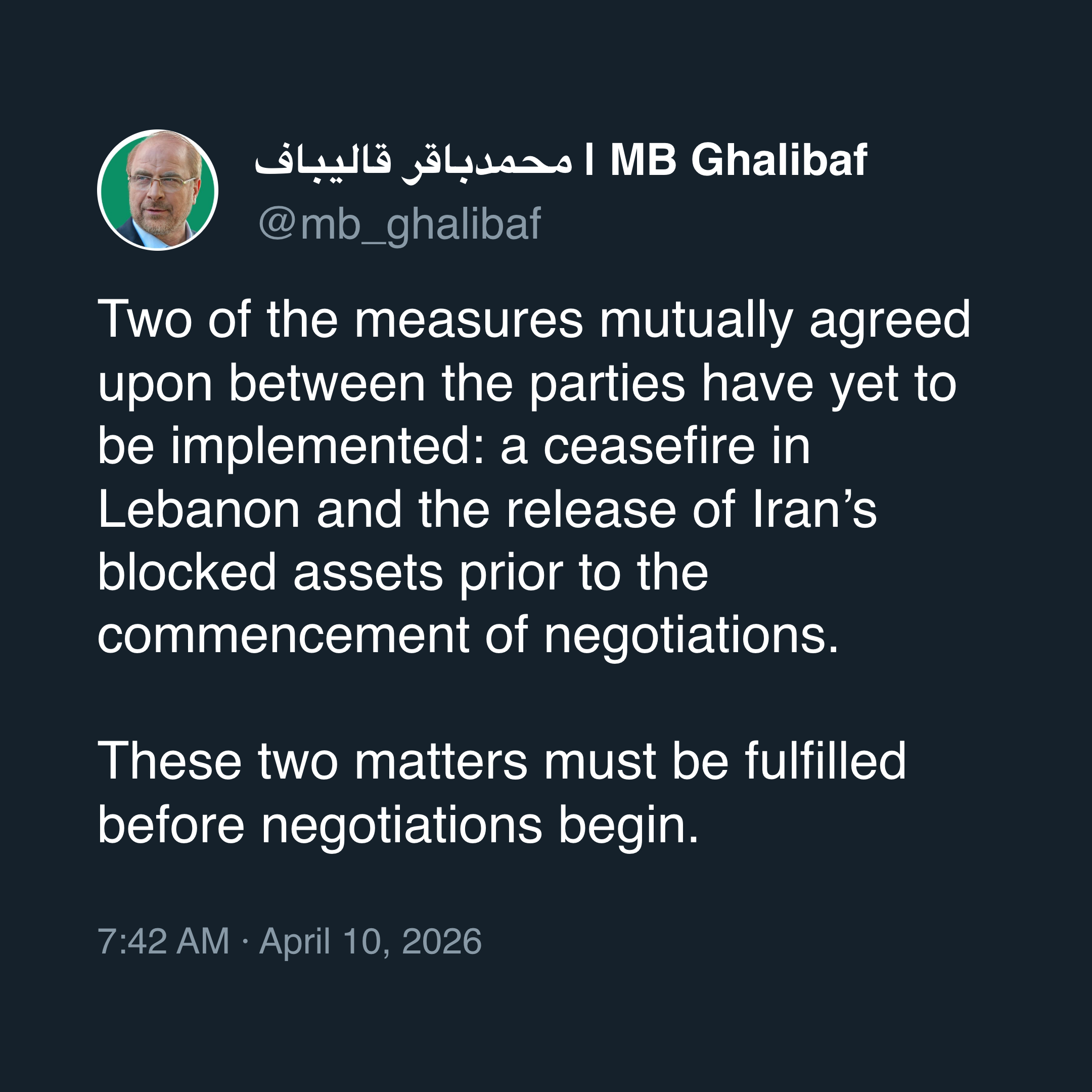
Geopolitical standoffs rarely hinge on single statements, but when a high-ranking official draws a hard line in the sand regarding global energy choke points, markets listen. Mohammad Bagher Ghalibaf recently made headlines by declaring that the strategic Strait of Hormuz won't see normal operational flows until the United States fully complies with prior interim deal conditions. It is a bold, uncompromising stance that highlights the deep distrust plaguing international diplomacy.
You're looking at a classic standoff where economic leverage meets diplomatic brinkmanship. If you trade oil, track shipping lanes, or watch macroeconomic indicators, this threat hits close to home. Let's break down what this means, why it matters right now, and what history tells us about how these crises actually unfold. Meanwhile, you can explore similar developments here: Inside the Seoul Defense Crisis Triggered by Washington.
The Weight of the Strait
Why does a single waterway command so much attention? The Strait of Hormuz handles roughly a fifth of the world's petroleum consumption. It's the narrow artery connecting Middle Eastern producers to global markets. When tensions spike here, insurance rates on supertankers skyrocket, and crude prices react instantly.
Iran holds a commanding geographical position along the northern coastline of this passage. Past administrations in Tehran have repeatedly reminded the West of their ability to disrupt shipping if economic pressure becomes unbearable. Ghalibaf's latest comments aren't isolated outbursts. They reflect a calculated strategy rooted in frustration over unfulfilled international commitments. To understand the complete picture, check out the excellent report by The Guardian.
Sanctions relief promised during past negotiations never fully materialized in the ways Iranian leadership expected. Now, domestic political pressure inside Iran demands a rigid posture. Compliance isn't just about ink on paper anymore; it is about verifiable economic results.
Broken Promises and Interim Deals
To understand Ghalibaf's stance, you have to look backward. Interim agreements are notoriously fragile. They rely on phased implementation, where one side suspends nuclear or military activities in exchange for sanctions relief.
The core grievance centers on verification and enforcement. From Tehran's perspective, Washington accepted the restrictions but dragged its feet on lifting financial penalties that choked banking and oil sales. When political shifts occur in Western capitals, long-term consistency vanishes. Treaties signed by one administration get unraveled by the next.
That breeds a severe credibility gap. Ghalibaf's message is simple: don't expect cooperation on regional transit security when fundamental economic obligations remain unmet. It is transactional politics stripped of diplomatic polish.
Market Realities and Energy Vulnerability
Global energy markets hate uncertainty. Whenever officials hint at closing or restricting the Strait of Hormuz, traders panic. Refineries stock up, and futures contracts surge.
You might think modern energy independence cushions Western economies from these shocks. It doesn't. Oil is a globally traded commodity. A supply crunch anywhere drives up prices everywhere.
- Shipping insurance premiums spike within hours of maritime threats.
- Asian economies dependent on Persian Gulf crude face immediate supply chain anxiety.
- Alternative pipelines help, but they cannot replace the sheer volume moving through maritime tankers.
Ignoring these warnings is dangerous. Energy security depends on diplomatic stability, and right now, that stability is frayed.
What Happens Next on the Ground
Diplomatic channels rarely close completely, even during fiery rhetoric. Backchannels continue operating behind closed doors. European intermediaries often try to salvage agreements before positions harden beyond repair.
Yet the room for compromise is shrinking. If Washington dismisses Ghalibaf's demands as posturing, regional friction could escalate into physical interference with commercial shipping. Navigational incidents in the Persian Gulf historically escalate fast.
Keep a close eye on compliance verification talks rather than public speeches. Real progress happens when technical teams agree on benchmarks, not when politicians exchange warnings through the press. Until concrete steps bridge the trust gap, the threat to maritime commerce remains real, immediate, and costly.