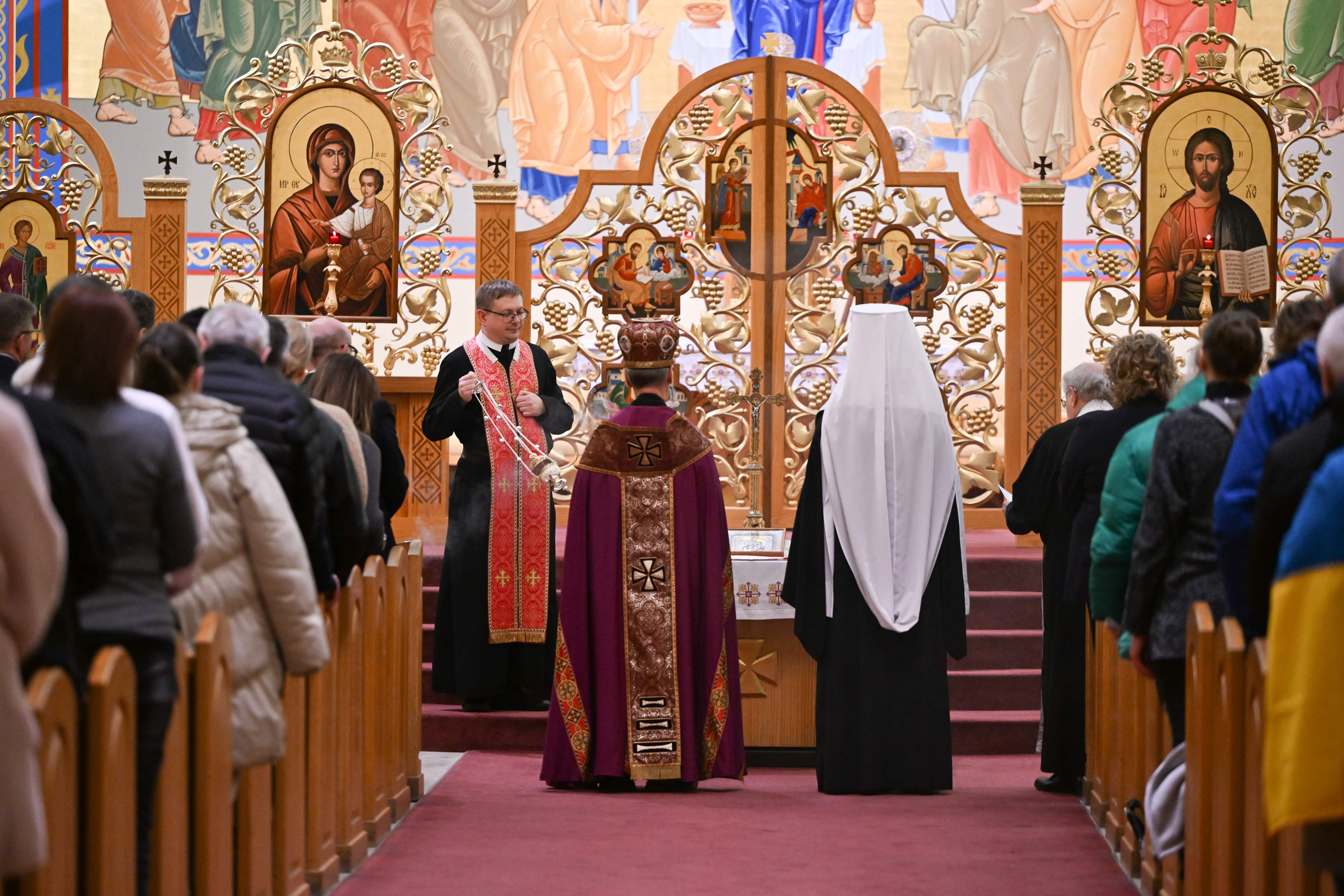
When the Catholic and Anglican bishops of Alberta stepped forward to warn voters about the collateral damage of a polarizing referendum, the predictable chorus of secular outrage followed instantly. Progressives sneered at clerical meddling in public policy, while traditionalists nodded along with the cozy notion that institutional faith remains the last bulwark of social conscience. Both sides missed the entire point.
The bishops argued that direct democracy threatens the vulnerable by weaponizing majoritarian impulses against minority protections. They framed the debate as a moral failing of civic mechanics. They are half-right about the danger and entirely wrong about the cause. The problem with Alberta referendum culture is not that it bypasses institutional compassion. The problem is that institutional gatekeepers spent decades substituting bureaucratic paternalism for actual structural accountability, leaving citizens with a blunt instrument because all the scalpel blades were rusted shut.
I have spent years watching policy architectures break down under the weight of well-meaning consensus. When every institutional stakeholder agrees that a complex socio-economic issue requires a top-down fix, innovation dies and the cracks widen. Referendums do not create vulnerability. They expose the pre-existing rot that establishment leaders spent years papering over with press releases and prayer breakfasts.
Let us dismantle the lazy consensus. The common narrative suggests that direct democratic votes in provincial settings are inherently cruel to marginalized populations because the average voter lacks the empathy or bandwidth to weigh nuanced impacts. This is an elite conceit disguised as humanitarianism. It assumes that centralized legislative bodies naturally prioritize the vulnerable, a fantasy easily disproven by looking at decades of neglected social services, underfunded healthcare grids, and housing markets engineered for extraction rather than shelter.
The bishops want us to believe that representative democracy protects the weak. History shows it mostly protects incumbents and interest groups wealthy enough to lobby behind closed doors. When citizens push for a referendum, they are usually screaming because the traditional levers of governance rusted shut. Blaming the referendum for threatening the vulnerable is like blaming the smoke detector for starting the fire.
To understand why this dynamic plays out so viciously in western Canada, we have to look past the moral posturing and examine the mechanics of political friction. Alberta operates on a distinct frequency of economic anxiety and resource nationalism. When regional wealth fluctuates wildly between boom and bust cycles, social safety nets face asymmetric stress. Bureaucrats in provincial capitals deploy one-size-fits-all mandates that fail to account for rural isolation, Indigenous realities, or urban cost-of-living spikes.
When those systems break, the public loses trust. Once trust evaporates, people look for direct control. A referendum is not a malicious attack on the marginalized; it is a desperate bypass maneuver by an electorate tired of asking permission from systems that stopped listening.
Here is where my contrarian stance demands absolute honesty. Does direct voting create majoritarian risks? Absolutely. Pure populism unchecked by constitutional guardrails can trample minority rights in a heartbeat. That is a genuine downside of my preferred approach. If you hand raw legislative power to a populace stoked by grievance, bad outcomes happen.
Yet pretending that elite representative governance offers a safer harbour is intellectually dishonest. Representative bodies trample minority interests with alarming regularity through quiet budget cuts, opaque zoning laws, and bureaucratic neglect that never makes the evening news. The difference is that a referendum happens in the sunlight. It forces society to argue its values out in the open rather than burying them in page 400 of an omnibus budget bill.
Consider the alternative model that nobody in the church hierarchy wants to discuss. Instead of moralizing from pulpits about the spiritual dangers of populist policy, what if institutional leaders actually built resilient local communities that do not rely on provincial fiat to care for their neighbors?
True solidarity is local, gritty, and expensive. It requires churches, civic groups, and grassroots organizers to pool resources and build parallel systems of care that insulate the vulnerable from the whims of any government, left or right. When religious leaders rely on the state to enforce their ethical preferences through bureaucratic proxy, they hollow out their own moral authority. They become lobbyists in clerical collars.
The debate over Alberta referendums is a proxy war for control over the narrative of progress. The establishment wants you to believe that political stability requires leaving complex choices to the professional managerial class. They want you passive, deferential, and grateful for crumbs.
Do not buy it.
The next time a high-ranking cleric or a career politician tells you that a democratic vote is too dangerous for the public to handle, ask them what their institutions were doing while the safety net dissolved piece by piece. They are not defending the vulnerable. They are defending the monopoly on mediation.
Stop looking to political mechanisms to save your soul or fix your community. Build structures that cannot be voted out of existence by a bad Tuesday at the ballot box.