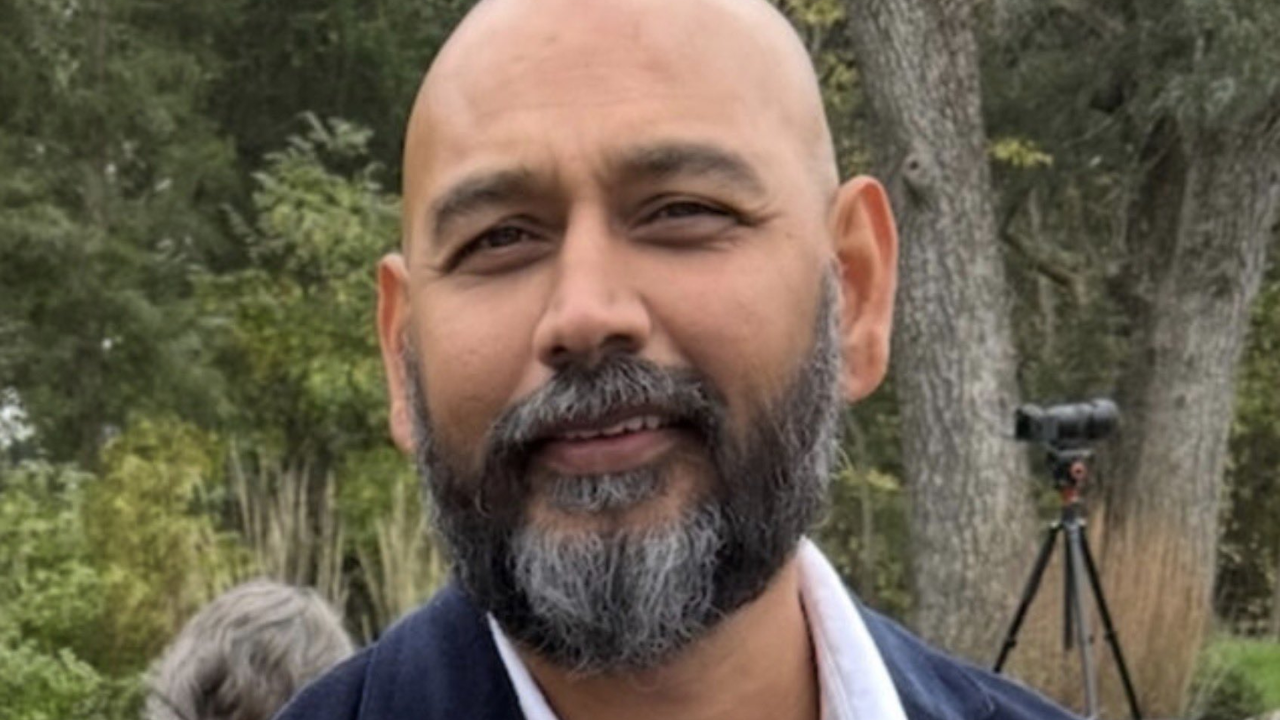
The metal doors of a Russian courtroom do not slam; they click with a heavy, pressurized finality. It is a sound that strips away titles, corporate hierarchies, and the comfortable insulation of a modern resume. Inside a courtroom in St. Petersburg, those clicks mark the boundary between a life spent managing global entertainment strategies and a stark, concrete reality.
Jugal Daterao was used to a different kind of structure. As a manager for Disney, his world was built on meticulously planned narratives, market metrics, and the predictable rhythms of corporate advancement. He was an Indian citizen navigating the high-stakes, high-reward environment of international entertainment. But international travel carries an unwritten fine print. The rules we take for granted in one hemisphere can dissolve the moment the wheels touch down in another.
A single decision, a momentary lapse in assessing local legal landscapes, shifted his trajectory from a corporate trajectory to a two-and-a-half-year sentence in a Russian penal colony.
The Illusion of the Global Citizen
We like to believe that a passport and a prestigious job title grant us a form of universal citizenship. We move through international airports, check into familiar hotel chains, and use the same apps to buy coffee in London, Tokyo, or Moscow. This familiarity breeds a dangerous complacency. It masks the reality that borders are not just lines on a map; they are sharp drops into entirely different legal realities.
Consider the transition. One day you are balancing spreadsheets and coordinating with creative teams. The next, you are facing a judicial system where the acquittal rate hovers below one percent.
Daterao’s arrest involved the possession of illegal substances, specifically drugs that Russian authorities categorize under strict anti-trafficking and possession laws. In many Western hubs, or even within certain corporate subcultures, the conversation around personal possession has softened, shifting toward harm reduction or administrative penalties. Russia, however, maintains an uncompromising, zero-tolerance approach to narcotics. The state does not distinguish between a high-flying tourist and a local offender. The law is a blunt instrument, applied with mathematical rigidity.
The Weight of the Evidence
The details of the case against Daterao highlight the absolute vulnerability of an outsider caught in a foreign legal web. Russian law enforcement operates with an emphasis on confession and physical evidence that leaves very little room for nuanced defense strategies. When Daterao was detained, the machinery of the state moved swiftly.
There are no bail bondsmen to call in the middle of the night in St. Petersburg. There is no corporate human resources department that can intervene to supersede local criminal statutes. For an expat, the isolation is immediate. The phone calls are restricted, the language barrier forms a thick wall, and the legal representation, while present, must operate within a system that prioritizes state security and strict adherence to the penal code.
The court ultimately handed down a thirty-month sentence. In the context of Russian drug convictions, which can easily stretch into decades for larger quantities, some might view thirty months as a lenient outcome. But time is relative. Two and a half years in a Russian correctional facility is an eternity when measured against the life that was left behind. It is ninety-five days of gray winter, followed by brief, intense summers, spent far from the familiar corridors of corporate influence.
The Corporate Shadow
When an employee of a major multinational corporation faces a criminal crisis abroad, the corporate response is often a quiet, calculated retreat. Brands like Disney spend billions cultivating an image of safety, family, and clean entertainment. They cannot afford to be publicly entangled with international narcotics cases.
The institutional machinery that once supported an executive—the IT help desks, the travel coordinators, the peer networks—vanishes. The individual is suddenly stripped down to their barest essentials: a name, a nationality, and a case number.
This isolation exposes the fragile nature of corporate loyalty. You are valuable to the machine only as long as you remain frictionless. The moment you become a logistical or public relations liability, the trapdoor opens. Daterao’s journey from a boardroom to a cell emphasizes this stark truth. The company moves on, quarterly reports are filed, and the individual is left to face the foreign state alone.
The Long Walk Back
The human cost of these cases extends far beyond the individual in the cell. In India, a family watches the news, dealing with the agonizing helplessness of an international legal battle. Consular access provides occasional updates, but embassies cannot overturn the laws of the host country. They can only ensure that the minimum standards of detention are met.
The true sentence begins after the court adjourns. It is the routine of the penal colony, the manual labor, the stark diet, and the constant awareness of being an outsider among outsiders. For Daterao, the immediate future is defined by four walls and the slow ticking of a calendar.
The corporate world he left behind will continue to evolve, technologies will shift, and positions will be filled. When the gates finally open at the end of his term, the world will have moved on, leaving an executive to rebuild a life from the foundation up, carrying the permanent weight of a Russian court record.
Borders matter. Laws matter. The illusion of the global village vanishes the moment the cell door locks from the outside, leaving nothing but the hard reality of the choices we make and the jurisdiction we make them in.