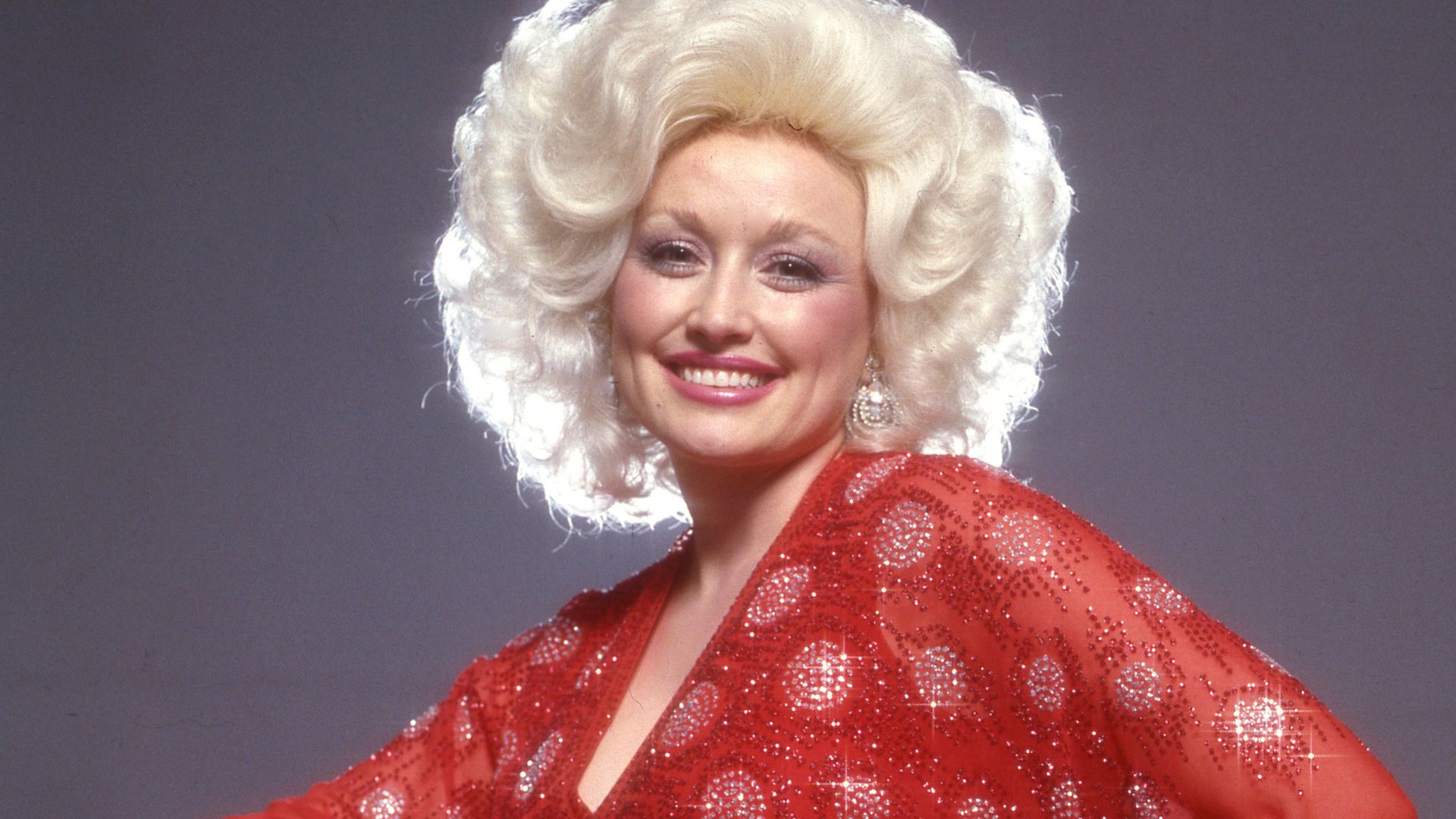
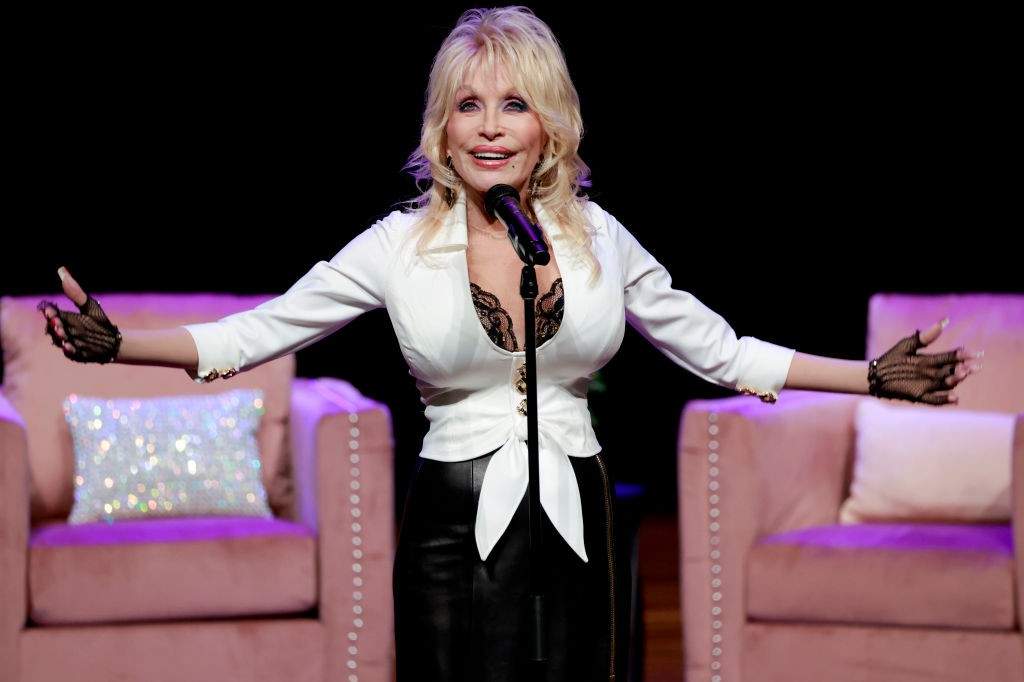
The headlines hit the wire and the cultural machinery ground to its predictable, lachrymose halt. Networks rolled out the file footage, politicians reached for the ready-made adjectives, and social media filled with the ritualistic chorus of collective grief. Everyone wants to canonize Dolly Parton. Everyone wants to talk about the voice, the rhinestones, the self-effacing humor, and the down-home folksiness that supposedly never left her.
They are missing the entire point.
If you remember Dolly Parton as a sweet, humble southern songbird who just happened to write a few catchy tunes, you fell for the greatest corporate sleight-of-hand in the history of the entertainment industry. I spent decades watching talent agents, record label executives, and pop culture historians misread the boardroom while staring blindly at the stage. Parton was never just an icon. She was the most ruthless, brilliant business strategist in modern music history, operating under a deliberate smokescreen of self-deprecating camp.
The Myth of the Accidental Icon
The lazy consensus in every obituary and tribute piece focuses on the rags-to-riches narrative. Sevier County, Tennessee. A cabin with twelve kids. Newspapers for insulation. It makes for a comforting fable about the American dream, but it reduces a calculated corporate mastermind to a sentimental greeting card.
When Parton walked away from Porter Wagoner’s television show in 1974, standard industry wisdom said she was committing career suicide. Wagoner made her. He provided the platform. The conventional pundits of Nashville predicted she would fade into obscurity without his backing. Instead, she wrote "I Will Always Love You" on a Friday, played it for him on a Monday, and walked out the door with her masters securely in her own hands.
Listen to the business metrics, not the sentimental ballads. Parton did not just write songs; she copyrighted every single syllable. While her peers signed away their publishing rights for a quick advance and a shiny tour bus, she retained ownership. When Whitney Houston made "I Will Always Love You" a global juggernaut in the nineties, Parton banked enough royalties to buy a commercial real estate portfolio. That is not southern charm. That is predatory capitalism wrapped in pink chiffon.
Weaponizing Camp as Corporate Shield
Let us address the aesthetic. The wigs, the heavy makeup, the gravity-defying outfits, and the constant jokes about how much money it takes to look this cheap.
The cultural establishment patronized her for decades because of it. Late-night hosts treated her like a novelty act. Serious music critics relegated her to the country side-stage while rock critics chased authenticity in denim and leather. That patronizing attitude was her greatest asset.
By leaning heavily into the caricature of the dumb blonde, Parton created a massive strategic moat. Competitors underestimated her. Record executives thought they were managing a malleable commodity while she was quietly acquiring the rights to her entire catalog and engineering Dollywood.
Imagine a scenario where a modern tech CEO built a multi-million-dollar entertainment empire, preserved total creative independence, owned 100 percent of their intellectual property, and successfully insulated their personal life from public destruction for sixty years. Wall Street would mint them a genius billionaire. Because Parton did it in heels and a rhinestone suit while singing about working nine to five, people called her a national treasure instead of a corporate titan. She let them make that mistake every single day, laughing all the way to the bank and into the hearts of millions who never realized they were being out-negotiated by a genius.
The Dollywood Masterclass
Look past the Nashville soundboards and look at Pigeon Forge, Tennessee.
In 1986, Parton partnered with the Herschend Family Entertainment corporation to open Dollywood. Most celebrities licensing their names to theme parks act as glorified greeters who show up for ribbon-cuttings and collect a percentage of merchandising. Parton structured her deal as an active, majority-stake partnership that revitalized an entire regional economy.
She did not build a monument to her own ego like Graceland or Neverland. She built an economic engine that employs thousands of locals, transforms Appalachia from a depressed coal-dependent zone into a thriving tourist destination, and generates sustainable generational wealth for her community. That is not philanthropy. That is localized economic sovereignty.
When corporate titans talk about vertical integration and community reinvestment, they sound like a tedious corporate slide deck. Parton executed it without a business degree, relying entirely on sharp intuition and an unshakeable refusal to let anyone else control her bottom line.
The Real Legacy We Ignore
The cultural mourning ritual happening right now is safe. It allows people to feel sad about the loss of a warm grandmother figure. It requires zero cognitive effort.
The uncomfortable truth is that Parton was a fierce independent contractor in a system designed to chew up and spit out working-class women. She navigated the literal shark tank of the country music boys' club by out-smarting every single man in the room while pretending to bake them corn pone.
Stop reducing her to a comforting soundbite or a nostalgic playlist. If you want to honor her, look at your own contracts. Look at your own intellectual property. Look at how you let people patronize your intellect because you refuse to fit their narrow definition of serious.
She did not need your pity, she did not need Nashville's approval, and she certainly doesn't need your tearful eulogies now. She already won the game.