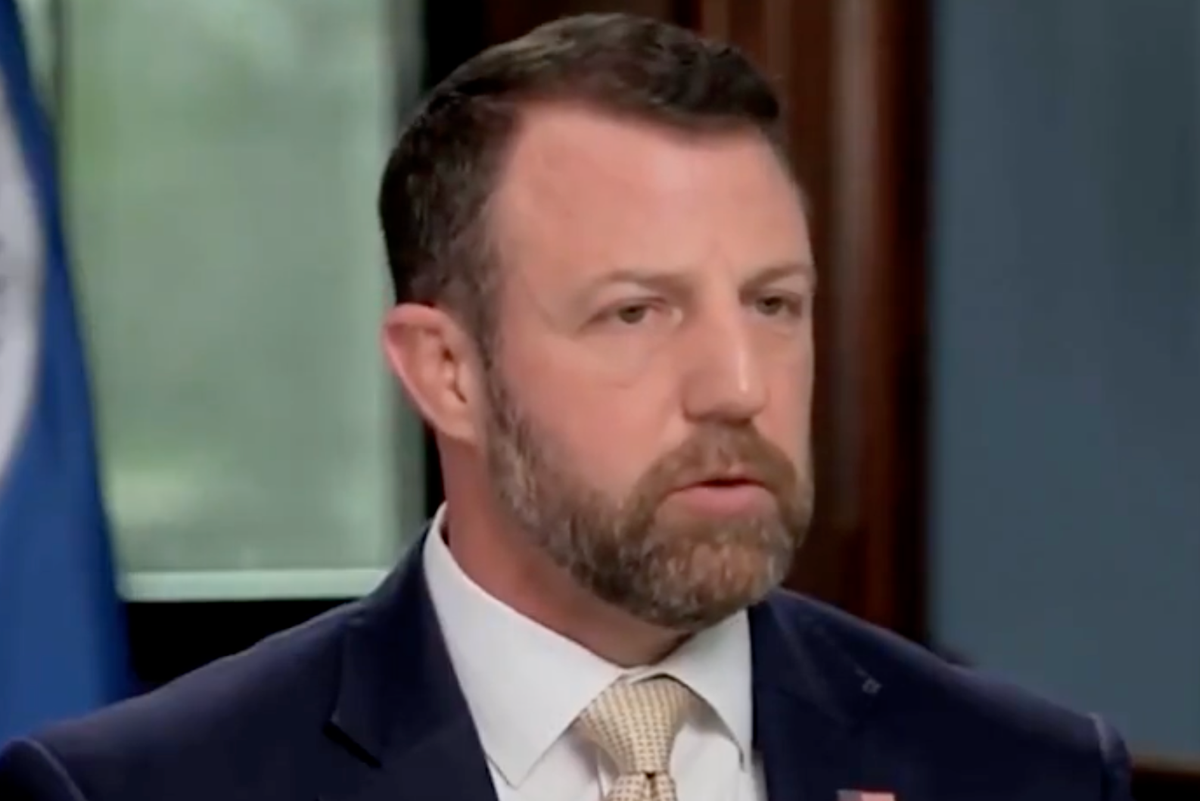
Imagine landing at JFK after a ten-hour haul from London, only to find the customs hall empty. No agents, no scanners, just locked doors. You're stuck on the tarmac because the federal government decided your arrival city doesn't play by the rules. This isn't a plot from a dystopian novel; it's a very real scenario being floated by the new Department of Homeland Security (DHS) Secretary, Markwayne Mullin.
Mullin recently signaled he's taking a "hard look" at pulling U.S. Customs and Border Protection (CBP) officers out of major international airports located in sanctuary cities. His logic is blunt. If a city refuses to cooperate with Immigration and Customs Enforcement (ICE) once a person leaves the airport, why should the federal government facilitate their entry in the first place?
It's a massive escalation in the war between the Trump administration and Democratic-led hubs. We aren't just talking about a few small airstrips. This move would hit the economic engines of the country: New York, Los Angeles, Chicago, Seattle, and San Francisco.
The Logic Behind the Lockdown
Mullin’s argument rests on a simple premise of partnership. During a recent interview with Fox News, he questioned the sanity of a system where federal agents process international arrivals for cities that then shield those same individuals from federal immigration law. "It doesn't make any sense for us to process international travelers through that city" if they won't enforce policy, Mullin stated.
You have to look at the timing here. The U.S. is staring down a massive budget deadlock. Democrats have been pushing to restrict funding for aggressive immigration tactics, while the administration wants billions more for its deportation machine. Mullin is essentially saying that if the money is tight, he'll prioritize personnel in cities that actually want to "work with us."
By framing this as a resource allocation issue, the DHS is trying to sidestep the idea that this is purely a punitive strike. But let’s be real. It’s a heat-seeking missile aimed at the heart of sanctuary city economies.
Economic Chaos on the Horizon
If CBP agents are pulled, an airport loses its "international" status almost instantly. You can't have an international flight without a customs check. Here’s what that actually looks like in the real world:
- Rerouted Global Traffic: Airlines like Delta, United, and American would have to move their primary hubs. A flight from Tokyo to LAX might have to land in a "cooperative" city like Phoenix or Salt Lake City instead.
- Supply Chain Collapse: Most people forget that international "passenger" planes carry a massive amount of belly cargo. If there’s no one to clear the goods, your electronics, medical supplies, and luxury imports sit in a warehouse or never arrive.
- The FIFA Factor: The 2026 World Cup is just months away. With games scheduled in sanctuary cities like Seattle and New York, pulling customs agents would be an absolute disaster for global tourism and FIFA revenues.
In Washington State, Sea-Tac is the only major international hub. Pulling CBP staff there wouldn't just be an inconvenience; it would effectively isolate the entire Pacific Northwest from direct global trade. We're talking about tens of thousands of jobs and billions in revenue vanishing overnight.
The Legal Battleground
Can he actually do it? That’s the multi-billion dollar question. Sanctuary city policies have historically survived legal challenges because local police aren't required to do the federal government's job. However, the federal government does have the absolute authority to decide where its agents are stationed.
Critics argue that Mullin is overstepping by using a federal service as a bargaining chip to force local policy changes. Legal scholars are already sharpening their pencils. They’ll likely argue that this move is "arbitrary and capricious" under the Administrative Procedure Act. But while the lawyers fight it out in court, the flights will already be canceled.
It's a high-stakes game of chicken. Former Attorney General Pam Bondi already laid the groundwork last year by sending cease-and-desist letters to 32 jurisdictions. Now, Mullin is moving from letters to logistics. He's not just threatening to cut grants anymore; he's threatening to cut the cord on global connectivity.
What This Means for You
If you're planning international travel in late 2026, you need to pay attention. This isn't just political theater; it's operational planning. If you live in a sanctuary city, your "home" airport might soon become a domestic-only terminal.
Don't wait for the formal announcement to start thinking about alternatives. If the DHS pulls the trigger, the shift will be chaotic.
- Monitor Your Hub: Keep a close eye on the status of your local airport. If you’re flying out of JFK, LAX, or Sea-Tac, have a backup plan for flying out of a neighboring "red" state if necessary.
- Check Your Cargo: If you run a business that relies on international shipments coming through these hubs, start talking to your logistics providers now. You might need to reroute shipments to ports in states that are cooperating with federal mandates.
- Stay Informed on the Budget: The DHS funding fight in Congress is the "canary in the coal mine." If that stays deadlocked, Mullin is more likely to follow through on these "hard decisions."
This isn't just about immigration policy anymore. It's about whether the federal government is willing to break the country's transportation infrastructure to prove a point. Mullin seems to think it’s a price worth paying.