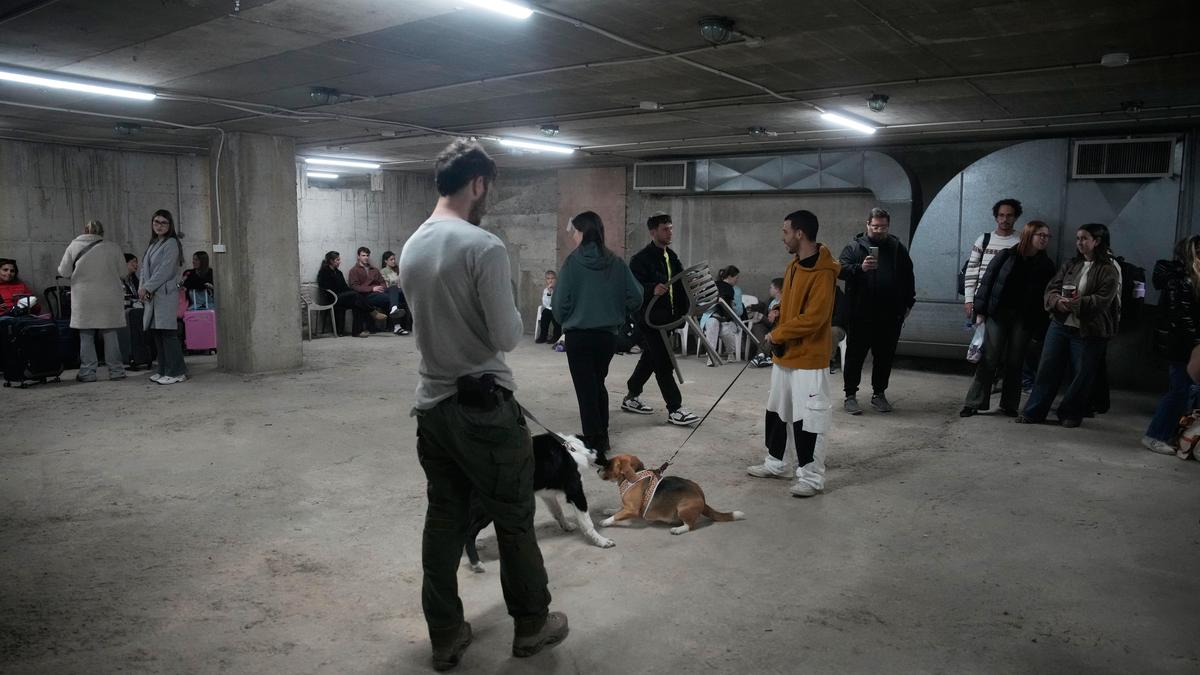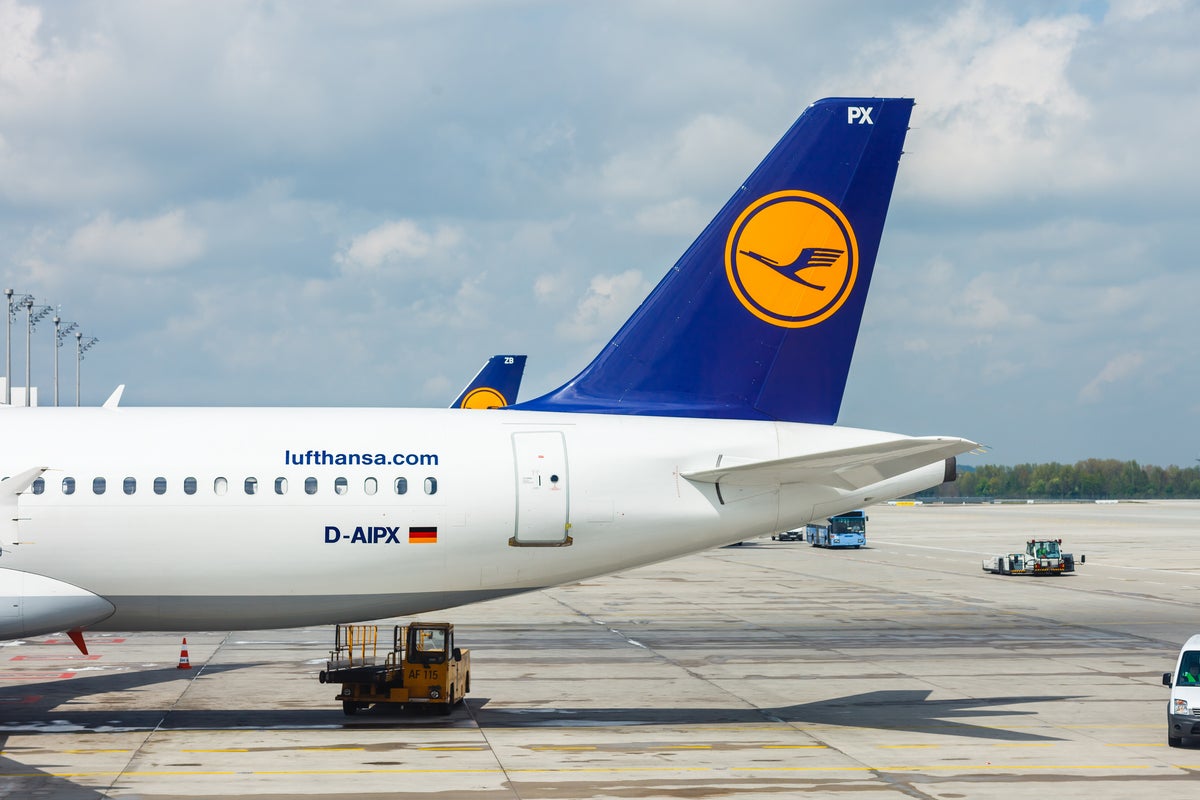
Imagine sitting in a cramped middle seat for eight hours, staring at a snow-covered runway, only to be told the bus drivers went home. That isn't a travel horror story from a decade ago. It just happened at Munich Airport, one of Europe’s supposedly most efficient hubs. More than 600 passengers were held hostage in stationary aircraft cabins overnight because a "perfect storm" of bureaucracy, bad weather, and a shocking lack of staff turned a routine delay into a human rights headache.
The situation didn't just happen because it snowed. It happened because the system broke at every conceivable level. When you're stuck on a tarmac for ten minutes, it's annoying. When you're stuck until the sun comes up because the airport literally can't find a single person to drive a shuttle bus, it’s a failure of leadership.
The Night the System Froze
The chaos kicked off late in February 2026, when a wave of heavy, wet snow hit Bavaria. Munich Airport is used to winter, but this wasn't your average dusting. The snow was thick enough to quadruple de-icing times, pushing flight schedules right up against the airport's strict 1:00 AM curfew.
Six flights—mostly Lufthansa and its subsidiaries like Air Dolomiti—were caught in the squeeze. Pilots were revving engines, waiting for a gap in the weather that never came. By the time the Ministry of Transport’s emergency extension expired at 1:00 AM, the planes were legally grounded.
Here is where the logic evaporated. Instead of being taxied back to gates where passengers could stretch their legs, the planes were parked in "remote positions." Why? Because the gates were already filled with other cancelled aircraft. The passengers were told to wait for buses. They waited. And waited.
At 2:00 AM, an announcement came over the intercom on Lufthansa flight LH2446 to Copenhagen that sounded like a joke: the bus drivers had finished their shifts and gone home. There was nobody left to get the 123 people off the plane.
Where the Planning Failed
Munich Airport officials have since issued the standard "sincere apologies," but those don't fix the fact that 600 people, including children and the elderly, were denied basic freedom of movement for a full night. Honestly, the excuses are thin. The airport claimed terminal capacity was full, yet they didn't even try to coordinate with emergency services.
Reports later surfaced that over 50 qualified firefighters were on-site at the airport that night. They are trained to drive heavy vehicles. They were ready to help. But because of a lack of a "contingency protocol," nobody in management thought to call them. It’s the kind of rigid, "not my department" thinking that makes modern travel so risky.
Lufthansa didn't escape the blame either. While the airline blamed the airport's ground handling, they're the ones who kept boarding passengers despite knowing the de-icing backlogs were insurmountable. They gambled with their customers' time to avoid the cost of hotel vouchers, and when the gamble failed, the passengers paid the price in neck cramps and stale pretzels.
Your Rights When the Tarmac Becomes a Hotel
If you find yourself in this nightmare, you need to know that "extraordinary circumstances" isn't a magic phrase that lets airlines ignore you. Under EU Regulation 261/2004, even if the weather is the cause, the duty of care remains absolute.
- Communication is mandatory: The airline must provide updates every 30 minutes. If they don't, start documenting it on your phone immediately.
- The Tarmac Delay Rule: In many jurisdictions, including the US (though it's stickier in the EU), there are hard limits on how long you can be held on a plane before they must offer you the chance to deplane.
- Basic Needs: After two hours on the tarmac, they are legally required to provide water, food, and working toilets. In the Munich case, some passengers reported limited access to even these basics.
If an airline tells you they can't get a bus, they're basically admitting to an operational failure. That’s often enough to move the needle from "weather delay" (no compensation) to "operational negligence" (up to €600 in compensation).
The Changes Munich is Promising
Pressure from the Landshut public prosecutor and a wave of negative international press has finally forced the airport to act. They're promising a new "closing call" system. Basically, before any ground staff or bus drivers are allowed to clock out for the night, a centralized command center has to verify that every single passenger has been cleared from the tarmac.
They’re also finally talking to the fire department. New protocols are being signed to allow emergency personnel to step in as shuttle drivers during "mass stranded" events. It’s a common-sense move that should have existed years ago.
Lufthansa is also revising its boarding "cutoff" times during snowstorms. They're supposed to stop boarding if the de-icing queue is longer than the remaining time before the airport curfew. It sounds great on paper, but we’ll see if the hunger for on-time stats outweighs passenger comfort next winter.
What You Should Do Now
Don't just wait for the next disaster to happen. If you're flying through major European hubs like Munich, Frankfurt, or Schiphol during the winter months, you have to be your own advocate.
- Track the Curfew: Check if your arrival or departure airport has a night flight ban. If your 10:00 PM flight is delayed by two hours at an airport with a midnight curfew, there is a 90% chance you aren't leaving. Don't board that plane without a firm guarantee.
- Download Tracking Apps: Use FlightRadar24 or FlightAware to see where your actual aircraft is. If the inbound plane hasn't even landed yet and the snow is piling up, start looking for hotels near the airport before everyone else does.
- Keep Your Essentials: Never, ever put your medications, chargers, or a change of clothes in your checked bag. If you're stuck on a plane for 10 hours, that overhead bin is your only lifeline.
The Munich incident is a reminder that even the "best" airports are just one bad shift change away from total collapse. If you were one of the 600 people stranded, don't just take the apology. File a formal claim with the Luftfahrt-Bundesamt (LBA) to ensure these "promises of change" actually turn into enforceable regulations.