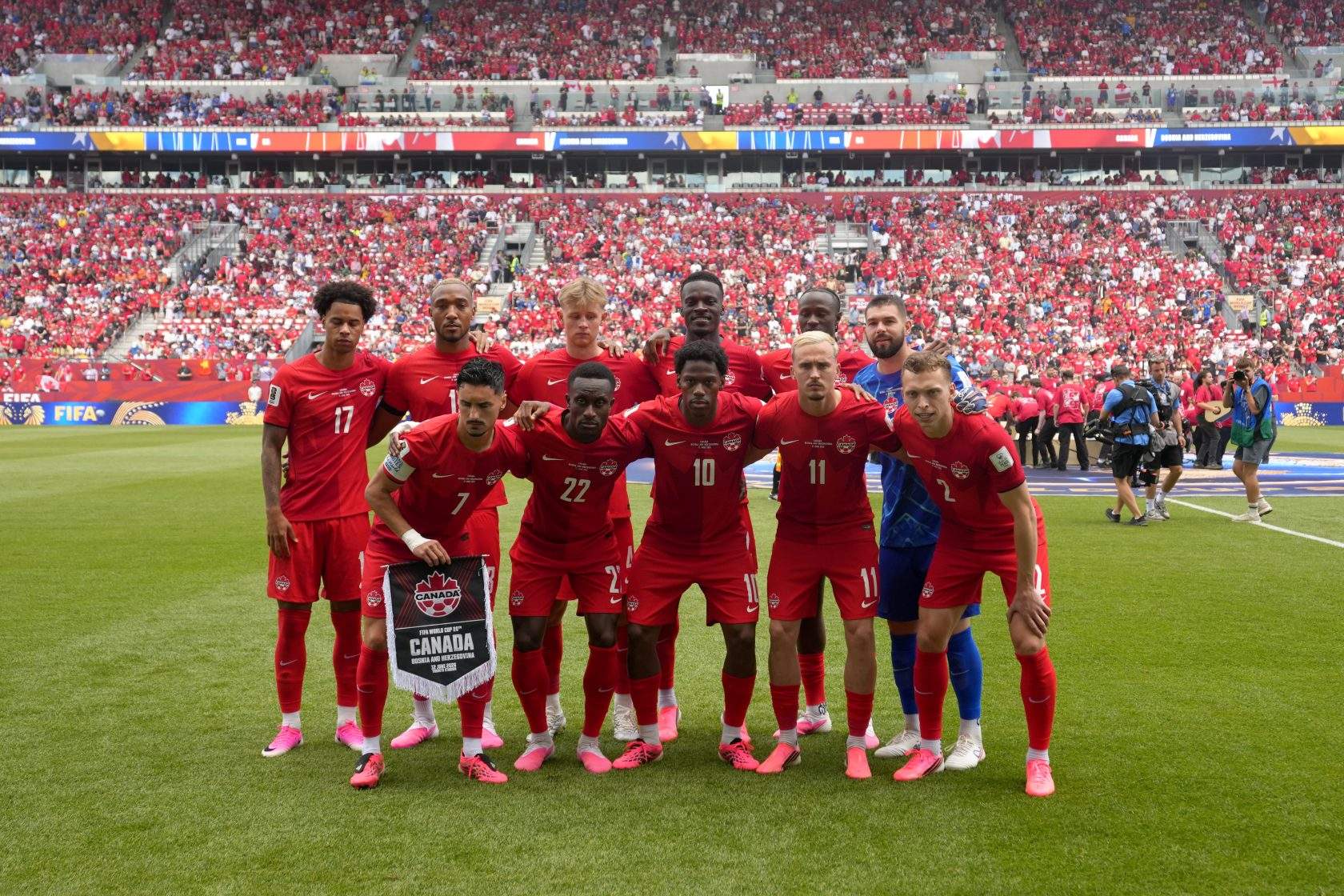
The narrative is already spinning out of control. Media outlets love the predictable, feel-good trope: foreign football fans land on American soil, eat massive burgers, marvel at cavernous stadiums, and suddenly convert to the gospel of American exceptionalism. It is a lazy, superficial take that ignores the harsh cultural clash happening on the ground.
International football fans are not experiencing the joys of America. They are experiencing a profound culture shock wrapped in a hyper-monetized corporate wrapper.
The mainstream media wants you to believe that the American hosting model is the gold standard of sports entertainment. If you talk to the die-hard supporters who travel across continents, you hear a completely different story. They are not amazed by the shiny infrastructure. They are horrified by the sterile atmosphere, the staggering costs, and the systematic erasure of genuine fan culture.
The Death of Organic Fan Culture
Go to a match in Dortmund, Buenos Aires, or Naples. The atmosphere is an organic, living entity. It is driven by decades of tribal loyalty, local identity, and fan-led initiatives. The club belongs to the community. The stadium is a secular cathedral where songs are passed down through generations.
Now look at the American sports model.
When international tournaments come to the United States, they are shoved into venues designed for NFL franchises. These are not stadiums; they are massive consumer optimization hubs. Every square inch is designed to extract cash from your wallet.
- The Sanitized Atmosphere: Instead of spontaneous chanting, American venues rely on jumbotrons screaming "LOUD!" and artificial noise pumped through massive speaker systems.
- The Corporate Seating Crisis: The best seats do not go to the loudest, most passionate supporters. They are snatched up by corporate sponsors, tech executives, and casual influencers who spend the match checking their phones.
- The Tailgate Fallacy: American pundits boast about tailgating as the pinnacle of fan engagement. In reality, it is a forced compromise born out of terrible urban planning. When a stadium is stranded in a sea of asphalt twenty miles outside a city center, you have no choice but to sit in a parking lot next to a rental car.
I have spent years analyzing sports infrastructure and fan logistics across Europe and Latin America. The contrast is stark. The American model views a fan primarily as a consumer unit. The European and South American models, despite their financial flaws, still view the fan as the lifeblood of the sport. When you commodify every single second of the matchday experience, you kill the very soul of the game.
The Hidden Cost of the Consumer Paradise
The competitor articles praise the sheer abundance available to traveling fans. They point to the massive food portions, the endless merchandise mega-stores, and the polite stadium staff. This praise ignores the predatory pricing structure that underpins American sports entertainment.
Let's look at the actual numbers. A traveling supporter in the US faces a financial gauntlet unknown anywhere else in the footballing world.
| Expense Type | Average European Matchday | Average US Major Event |
|---|---|---|
| Public Transit to Venue | $3 - $5 (Often free with match ticket) | $20 - $50 (Rideshare surges or distant trains) |
| Standard Match Ticket | $40 - $90 | $150 - $450+ (Dynamic pricing models) |
| Basic Stadium Beer | $5 - $7 | $14 - $19 |
| Stadium Meal | $6 - $10 | $18 - $25 |
This is not a joy. It is a financial shakedown.
The introduction of dynamic pricing algorithms has ruined the accessibility of live sports. In traditional football cultures, ticket prices are tightly regulated or capped by leagues to ensure the working-class fan base is not priced out. In the US, the secondary market is a predatory wild west where ticket brokers use automated bots to inflate prices by three hundred percent within seconds of release.
Imagine a scenario where a family of four from Bogota or Zagreb saves for years to see their national team play in Texas or New Jersey. They arrive only to find that a single bottled water costs seven dollars, parking costs eighty dollars, and the nearest affordable hotel is a two-hour transit ride away. That is not hospitality. It is economic exclusion masked as premium entertainment.
Transit Deserts and the Logistics Nightmare
The biggest shock for incoming international fans is not the cultural differences. It is the complete collapse of mobility.
Football culture is fundamentally urban. Fans gather in historic city squares, march together down narrow streets, and hop on clean, efficient subways that drop them off right at the stadium gates. This collective ritual builds the pre-match tension.
The American landscape is a transit desert. Most major venues selected for international tournaments were built exclusively for car owners.
The Infrastructure Reality Check
Consider the logistical nightmare of venues located far outside the urban core. Fans staying in downtown hubs are forced to navigate convoluted suburban commuter rails that run on limited schedules, or shell out hundreds of dollars for ridesharing services that get stuck in multi-hour gridlock on eight-lane highways.
The joy of exploration is replaced by the anxiety of logistics. International fans are trapped in isolated hotel zones or stranded in parking lots, entirely cut off from the authentic culture of the host cities. They see nothing of America except airport terminals, highway overpasses, and the concrete concourses of suburban mega-stadiums.
Dismantling the Myth of Superiority
Proponents of the American hosting style argue that the sheer scale and modernity of the facilities outweigh these inconveniences. They claim the high-tech amenities, retractable roofs, and premium luxury suites offer a superior viewing experience.
This argument misses the point entirely. A football match is not a Broadway show or a cinema screening. It is a participatory event. The quality of a stadium is measured by its acoustics, its sightlines for standing fans, and its ability to generate an intimidating atmosphere that impacts the game on the pitch.
American stadiums are architectural marvels of engineering, but they are acoustic black holes. The massive open spaces, high ceilings, and sprawling luxury tiers dissipate sound. The passion of twenty thousand traveling fans gets swallowed up by the cavernous design, leaving the match feeling sterile and distant.
The Inevitable Backlash
The current consensus is built on a small, self-selecting sample of social media videos showing fans reacting to novelty items. It ignores the growing resentment among international supporters associations.
We are already seeing the friction points. Fans are pushing back against strict stadium security policies that ban traditional banners, drums, and megaphones—the essential tools of global fan expression. The rigid, over-policed nature of American event management clashes directly with the free-flowing, carnivalesque nature of international football support.
The American sports market assumes that because it generates the most revenue, it is automatically the best. This arrogance is a major blind spot. By treating international fans like domestic corporate clients, organizers are strip-mining the cultural authenticity that makes global tournaments valuable in the first place.
Stop celebrating the sanitization of the world's game. The traveling fans are not smiling because they have discovered a better way to experience sports. They are smiling because their team is playing, and they are doing their absolute best to survive a corporate hospitality machine designed to break their wallets and mute their voices.