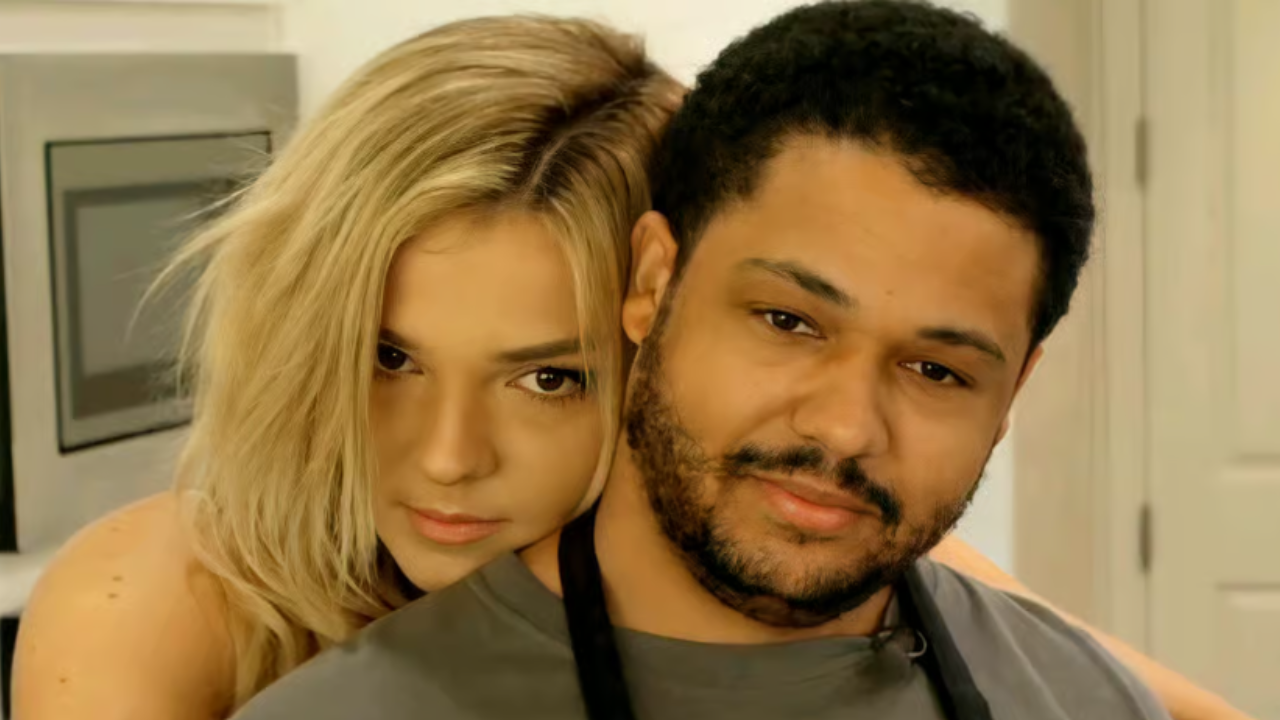
The internet is currently obsessing over the corpse of a relationship. When Twitch streamer Nick "Nmplol" Polom finally addressed the rampant speculation surrounding his split and subsequent financial settlement with long-time partner Malena Tudi, the parasocial industrial complex did exactly what it always does. Tabloids ran generic pieces dissecting the "heartbreak." Fans picked sides in Reddit threads, analyzing body language and clip fragments like amateur forensic scientists.
They are all missing the real story. For another view, read: this related article.
The media coverage surrounding the Nmplol and Malena split treats it as a standard celebrity divorce drama. They look at the assets, the years spent together, and the emotional fallout. But evaluating a top-tier streaming breakup through the lens of traditional Hollywood gossip is a fundamental misunderstanding of the modern creator economy.
Malena Tudi wasn't just a romantic partner who occasionally appeared on camera. She was the operational backbone of a multi-million dollar broadcasting engine. When creators conflate corporate restructuring with marital dissolution, they expose the fatal flaw of the influencer ecosystem: the complete and utter lack of corporate governance. This isn’t a story about a broken heart. It is a case study on why treating your romantic relationship as your corporate infrastructure is financial suicide. Related coverage on this trend has been provided by The New York Times.
The Lazy Consensus of "Parasocial Sympathy"
Traditional entertainment media reports on creator breakups with a standard formula: quantify the followers, quote a vague stream clip, and imply that the audience deserves closure. The consensus is that public figures owe their audience an explanation because the audience invested emotionally in their joint brand.
This premise is completely flawed. The audience didn't buy shares in a marriage; they consumed a highly curated, monetized reality show.
In standard business setups, if a co-founder leaves a company, there is a clear buy-out mechanism, an NDA, and a transition plan. In the streaming world, the business partners live together, share a bank account, and sign contracts based on vibes rather than legal counsel. I have watched digital media ventures collapse into expensive legal warfare simply because two people who used to sleep in the same bed realized they couldn't stand each other’s operational styles anymore.
When Nick addressed the settlement on stream, the immediate reaction was to analyze who "won" the divorce. Did Malena get a massive payout? Did Nick protect his assets?
These are the wrong questions. The real question is: Why was a multi-million dollar media enterprise structured so poorly that a romantic split threatened to bring down the entire broadcasting schedule of an elite creator network?
The Executive Producer Misconception
To understand why the public discourse around this settlement is so wrong, we have to look at what Malena Tudi actually did. The casual viewer saw her as the fiery co-host of the cooking streams. The industry insider saw her as the chief operating officer.
Behind every chaotic, successful live stream is an individual preventing the entire production from crashing down. Malena managed the talent, handled logistics, dealt with sponsor demands, and anchored the chaotic energy of the streams into a format that advertisers would actually pay for.
When the mainstream media covers this as a "divorce settlement," they minimize executive labor into spousal support. This isn't just a semantic error; it’s an insult to the operational mechanics of digital entertainment.
Imagine a scenario where the COO of a mid-sized tech company resigns. They hold significant equity, possess deep institutional knowledge, and control the keys to the kingdom. If that company wants to survive, they don't just say goodbye; they execute a massive financial exit package to secure intellectual property, prevent non-compete violations, and ensure a smooth transition.
That is what the Nmplol settlement actually is. It’s not a romantic alimony payoff. It is a corporate buyout of a founding partner who held all the leverage. Nick didn't settle to settle a personal score; he settled to keep the lights on in his studio.
The Toxic Marriage of Equity and Emotion
The fundamental problem with the creator economy is that it rewards structural stupidity. Platforms like Twitch and YouTube incentivize creators to turn their entire lives into content. The more authentic the relationship appears, the higher the CPMs, the bigger the sponsors, and the more fanatical the community becomes.
But authenticity doesn't scale legally.
When you build a business where your primary asset is your personal life, you create an uninsurable risk profile. In any other industry, if your company's value was tied to a single, volatile variable that could disappear overnight, investors would run for the hills. Yet, in the streaming world, we act surprised when these houses of cards fall apart.
Consider the baseline mechanics of a top-tier stream house or creator duo:
- Shared Intellectual Property: Who owns the channel? Is it the face on the camera, or the person who set up the LLC?
- Asset Commingling: Houses, studio equipment, production vehicles, and staff salaries are frequently paid out of a single entity that is tied directly to the romantic partners.
- The Parasocial Tax: A standard corporate split can be handled quietly behind closed doors. A creator split requires a public relations campaign to prevent subscriber churn and advertiser flight.
Nick’s stream addressing the settlement wasn't a moment of raw honesty; it was a necessary corporate risk mitigation strategy. He had to reassure the market—his viewers and sponsors—that the business entity known as "Nmplol" was still solvent and operational.
Stop Asking if They are Okay (Ask Who Owns the IP)
If you want to actually understand the reality of the creator landscape, you need to dismantle the typical "People Also Ask" questions and replace them with harsh, operational truths.
Did Malena deserve a massive settlement?
The public debates this based on moral worthiness or who "ruined" the relationship. The brutal reality? Morality doesn't dictate a settlement; leverage does. If Malena controlled corporate accounts, backend infrastructure, or held joint ownership of the primary business entities, she didn't just deserve a settlement—she had the legal right to liquidate the operation.
Why did Nick take so long to speak about it?
The romantic narrative says he was grieving. The corporate reality says his lawyers were sweating over a non-disclosure agreement. In high-net-worth splits involving shared businesses, every syllable uttered on a live microphone can trigger a breach of contract lawsuit. He spoke when the ink was dry and the legal guardrails were firmly established.
Can a solo creator brand survive after a major duo split?
History says it is incredibly difficult. When the operational brain leaves, the creative talent is forced to become a manager. Most creators are terrible managers. They lack the discipline for logistics, budgeting, and corporate relations. The threat to Nick's longevity isn't loneliness; it's the sudden burden of having to run his own business.
The Uncomfortable Blueprint for Future Creators
There is a hard lesson here that current rising stars will completely ignore because they are too busy chasing short-term algorithmic validation.
If you are building a brand with a romantic partner, you are building a ticking financial bomb. The counter-intuitive move—the one that feels cold, cynical, and completely unromantic—is to treat your partner like a ruthless business adversary from day one.
You need prenuptial agreements that treat the Twitch channel like a tech startup. You need clear buy-out clauses that dictate exactly how much a subscriber count is worth in cold, hard cash if someone walks out the door. You need separate corporate entities that isolate your personal life from your balance sheet.
If you don't do this, you aren't a visionary entrepreneur. You are a gambler playing roulette with your financial future, using your relationship as the stake.
The Nmplol and Malena saga isn't a tragedy about love dying in the public eye. It is the natural, predictable outcome of an industry that refuses to grow up. Nick paid a premium to keep his channel, Malena collected the valuation of her executive labor, and the audience got their final drop of content. The business worked exactly the way it was poorly designed to work.
Stop looking for a human story in a corporate liquidation.