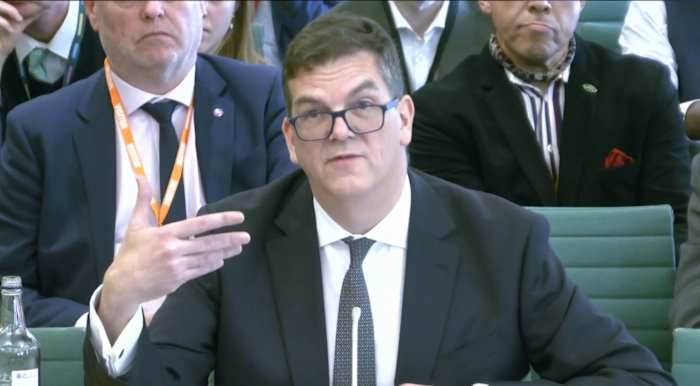
The headlines are predictable. A former civil servant claims he felt "pressure" from 10 Downing Street regarding Peter Mandelson’s business dealings. The media treats it like a smoking gun. They frame it as a breach of the "sacred neutrality" of the British Civil Service.
They are wrong. You might also find this related story useful: The Windsor Inheritance Model Quantitative Decay and Institutional Inertia Centered on the Elizabeth II Centenary.
This isn’t a story about corruption. It’s a story about the terminal decline of executive function in modern governance. If a high-ranking official feels "pressured" because the Prime Minister’s office wants a specific outcome, that official isn't a martyr. They are an obstacle.
The "lazy consensus" suggests that the Civil Service exists to be a speed bump for elected leaders. We’ve fetishized the "Yes, Minister" trope to the point where we believe a stagnant, risk-averse bureaucracy is the only thing standing between us and total collapse. The reality is that we are paying for a machine that prioritizes process over performance, then cries foul when someone asks for a result. As extensively documented in recent reports by BBC News, the effects are notable.
The Mandelson Exception is Actually the Rule
Peter Mandelson has always been a lightning rod. Whether it’s his role in New Labour or his subsequent business ventures, his name triggers a specific type of allergic reaction in Whitehall. But look past the man. Focus on the mechanism.
In any high-stakes business environment, the CEO’s office exerts pressure. If a Managing Director at a global firm told the Board they felt "pressured" to align with the company’s strategic goals, they would be shown the door. In government, we call it a "scandal."
The friction here isn't about Mandelson’s integrity. It’s about the fundamental clash between political urgency and bureaucratic inertia.
The Civil Service operates on a timeline of "eventually." Politics operates on a timeline of "now." When the PM’s office pushes for a clearance or a favorable nod for an ally, they aren't necessarily bypassing ethics. They are trying to force a slow-motion system to move at the speed of the 21st century.
Pressure is the Point of Leadership
Let’s dismantle the idea that "pressure" is inherently toxic.
I’ve sat in rooms where multi-billion dollar deals hung in the balance because a mid-level regulator was waiting for a specific form that hadn't been printed yet. I’ve seen projects that would create thousands of jobs die on the vine because nobody had the guts to "exert pressure" on a department that had lost its way in a thicket of red tape.
If you aren't feeling pressure in a senior government role, you aren't doing anything important.
The ex-official’s complaint implies that the Prime Minister should be a passive observer of their own administration. It suggests that the mandate handed down by millions of voters should be subordinate to the comfort of a career bureaucrat.
This is the "Administrative State" fallacy. It’s the belief that the experts in the room always know better than the leaders in the chair. But experts are often just people who have spent twenty years learning how to say "no" in sixteen different ways.
The Transparency Trap
The competitor's piece leans heavily on the need for "transparency" and "independent oversight." These sound like noble goals. In practice, they are the tools used to paralyze decision-making.
Every time we add a layer of oversight, we add six months to the delivery of any project. We’ve created a system where it is safer to do nothing than to do something controversial.
- Risk Aversion: If an official approves something and it goes wrong, they are grilled by a committee.
- The Default No: If they block it, nothing happens, and they remain "principled."
By rewarding the "whistleblower" who felt pressure, we are incentivizing every civil servant to become a bottleneck. We are telling them that their feelings of discomfort are more important than the executive’s right to execute.
Imagine a scenario where a tech startup tried to operate under Whitehall rules. The CTO wants to ship a new feature. The Compliance Officer feels "pressured" because the CTO wants it done by Friday. The Compliance Officer goes to the press. The startup dies.
That is exactly how the UK government is currently functioning. We are a startup with a 19th-century HR department.
The "Conflict of Interest" Bogeyman
The obsession with Mandelson usually centers on "conflicts of interest."
In the real world, everyone at that level has a conflict of interest. If you have spent forty years building a network, you have interests. The goal shouldn't be to find people with zero connections—those people are usually incompetent. The goal should be to manage those interests to achieve a national objective.
The UK has become obsessed with a sterile version of "purity" that precludes anyone with actual experience from helping the government. We want experts, but we don't want them to have ever worked for a company or known a politician. It’s a paradox that leaves us with a pool of advisors who have never actually built anything.
Mandelson, for all his divisiveness, understands how power and capital move. Shunning that knowledge because of a "bad vibe" in a department is a waste of human capital.
Why the "Neutrality" Argument is Failing
The British Civil Service prides itself on being "politic-neutral." This is a lie we tell ourselves to feel superior to the American "spoils system."
In reality, the Civil Service has its own politics. It is the politics of the status quo. It is a deeply entrenched, institutional bias toward the way things have always been done. When a Prime Minister—whether it’s Blair, Johnson, or whoever is next—tries to break that bias, the system screams "foul play."
The pressure felt by officials is often just the sensation of being held accountable for the first time.
If we want a government that actually delivers—on housing, on energy, on trade—we need to stop apologizing for political pressure. We need more of it. We need a system where the "feeling of pressure" is recognized as the sound of the engine finally turning over.
Stop Asking if the Pressure was Wrong
The question "Was the PM’s office too pushy?" is the wrong question. It’s a distraction for people who like to argue about procedure while the house burns down.
The right questions are:
- Was the desired outcome beneficial for the country?
- Did the "pressure" result in a faster, more efficient decision?
- Is the official complaining because of a genuine ethical breach, or because their ego was bruised by a superior?
Most of the time, it's the latter. We have elevated the "hurt feelings" of the bureaucratic class to a matter of national security.
If an official can’t handle a sharp phone call from the PM’s Chief of Staff, they shouldn't be managing national policy. They should be working in a library. The stakes are too high for this level of fragility.
The Real Scandal
The real scandal isn't that Mandelson got a helping hand or that an official felt squeezed.
The scandal is that we have a system where a single, unelected official can stall the agenda of an elected government by claiming "discomfort." We have prioritized the emotional well-being of the permanent secretary over the functional requirements of the state.
We have built a temple to the Process, and we are sacrificing Progress on its altar.
If you want to fix the UK, you don't do it by adding more ethics committees or more independent inspectors. You do it by empowering the executive to lead and telling the bureaucracy to get in line or get out of the way.
Pressure isn't the problem. It’s the only solution we have left.
The next time an ex-official goes to the papers to complain about being "pressured," don't offer them sympathy. Ask them why they weren't moving fast enough to make that pressure unnecessary in the first place.
Efficiency is not a violation of ethics.
Get back to work.