Mainstream sports media loves to sell you a fairytale. They point to a calendar, spot a day where the New York Knicks are playing a crucial road playoff game and Brazil is facing Morocco in a World Cup thriller, and they call it a dream. They tell you to stock the fridge, invite your friends over, and prepare for pure euphoria.
They are lying to you.
What they are actually pitching is a recipe for sensory overload, emotional exhaustion, and an inevitable letdown. High-stakes fandom is not an all-you-can-eat buffet where more volume equals more joy. It is a finite emotional resource. When you attempt to stack a do-or-die NBA road game on top of the geopolitical theater of a World Cup match involving Seleção, you do not double your pleasure. You divide your attention, dilute your adrenaline, and guarantee that you will not genuinely experience either.
The Attention Extraction Economy
Sports networks package these mega-days because their revenue models demand maximum eyeballs per minute. They do not care about your blood pressure or whether you actually enjoy the games. They want you anchored to the couch, absorbing advertisements for three consecutive sports betting apps.
Let's break down the actual cognitive load of what the consensus calls a dream day.
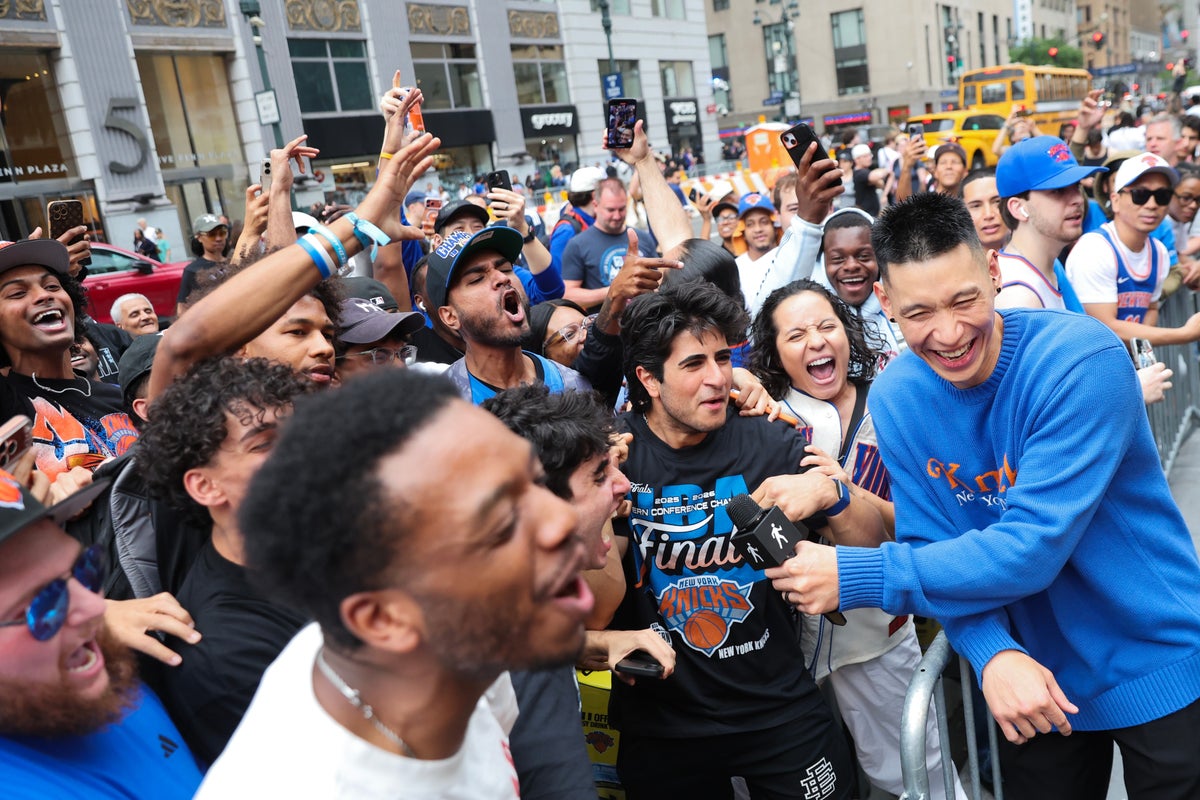
- The Knicks Dilemma: New York basketball is built on anxiety. Watching the Knicks try to clinch a series on the road is a grueling, possession-by-possession exercise in stress management. Every missed rotation by a guard, every blown whistle, and every opposing run demands total emotional investment.
- The World Cup Mirage: A match between Brazil and Morocco is a tactical chess match played at hyper-speed. It requires an understanding of spacing, transitional defense, and sudden, explosive shifts in momentum.
When you try to consume both in a single afternoon, your brain treats the overlap like a corporate multi-tasking exercise. You check your phone for score updates during free throws. You miss a brilliant tactical build-up in the soccer match because you were busy groaning at a Knicks turnover. You end up with a superficial understanding of both events and a splitting headache.
Why the Fanatic’s Dilemma Always Fails
I have spent two decades analyzing how audiences consume live entertainment, tracking engagement metrics and fan sentiment during major sporting events. Time and again, the data shows that back-to-back mega-events create a phenomenon known as hedonic flattening.
When your brain is bombarded with high-dopamine triggers for six straight hours, your receptors dull. A spectacular Tom Thibodeau defensive adjustment or a breathtaking Vinicius Jr. dribble past a Moroccan fullback stops registering as extraordinary. By hour four, you are merely staring at moving colors on a screen, waiting for the clock to hit zero so you can reclaim your mental autonomy.
Consider the baseline mechanics of a Knicks road clincher. The opposing crowd is hostile. The officiating is traditionally slanted toward the home team. Every single minute feels like an hour. True fandom requires you to suffer through that process to earn the eventual relief of victory.
If you are constantly switching tabs to see if Morocco's mid-block is holding against Brazil, you are avoiding the necessary emotional labor of being a fan. You are treating sports like background noise, reducing decades of club history and national pride down to mere content.
Dismantling the Common Fan Inquiries
Mainstream sports sections always publish the same predictable guides ahead of these mega-days. The premises of their advice are fundamentally broken.
How do I set up the ultimate multi-screen viewing experience?
Stop building a miniature sports bar in your living room. The human eye can only focus on one central point at a time. Peripheral vision is designed to detect motion, not process complex tactical schemes. When you run two games simultaneously, you are forcing your brain to constantly switch context, which burns through your cognitive glucose reserves. Pick one game. Turn off your phone. Watch it with absolute focus.
What is the best way to track both games if they overlap?
You don't track both. The obsession with tracking everything in real-time has turned modern fans into amateur data entry clerks. If the Knicks and the World Cup match are happening at the same time, you must make an executive decision based on your genuine allegiance. If you choose the Knicks, let the World Cup match exist in a vacuum until it concludes. Experiencing a single game deeply will always beat experiencing five games at a surface level.
The Hidden Cost of the Superficial Feast
The obvious counterargument here is that true sports junkies possess an infinite appetite. People will tell you that a real fan can easily pivot from the hardwood to the pitch without losing a step.
That is a romantic notion, but it ignores reality. The downside of this contrarian approach of aggressive prioritization is obvious: you might miss a historic moment in the game you chose to ignore. You might miss a legacy-defining goal or a chaotic, viral ending.
But missing a moment is infinitely better than ruining both experiences. True appreciation requires presence. The current media landscape encourages you to treat sports like a scrolling social media feed—fast, disposable, and immediately forgotten.
If you want to actually remember the day the Knicks tried to clinch or the day Brazil faced a fierce Moroccan squad, you have to reject the lazy consensus that says more is always better.
Shut down the extra screens. Tell your friends to pick a lane. Stop consuming sports like a glutton at a cheap buffet and start treating high-stakes games like the rare, exhausting, singular events they are meant to be. Turn off the notifications, pick your allegiance, and let yourself actually feel the weight of the game.