The mainstream media loves a war drum it can beat in sync with political theater. When Benjamin Netanyahu signals that Israel and the United States are locked, loaded, and waiting on Donald Trump’s green light to dismantle Iran’s nuclear capabilities, the defense analysts nod right on cue. The talking heads parse the rhetoric, the markets pricing in geopolitics experience a brief shudder, and the establishment lines up behind a predictable narrative: a joint military strike is an imminent, viable lever of statecraft.
It is a comforting illusion for hawks and a terrifying one for doves. It is also completely wrong.
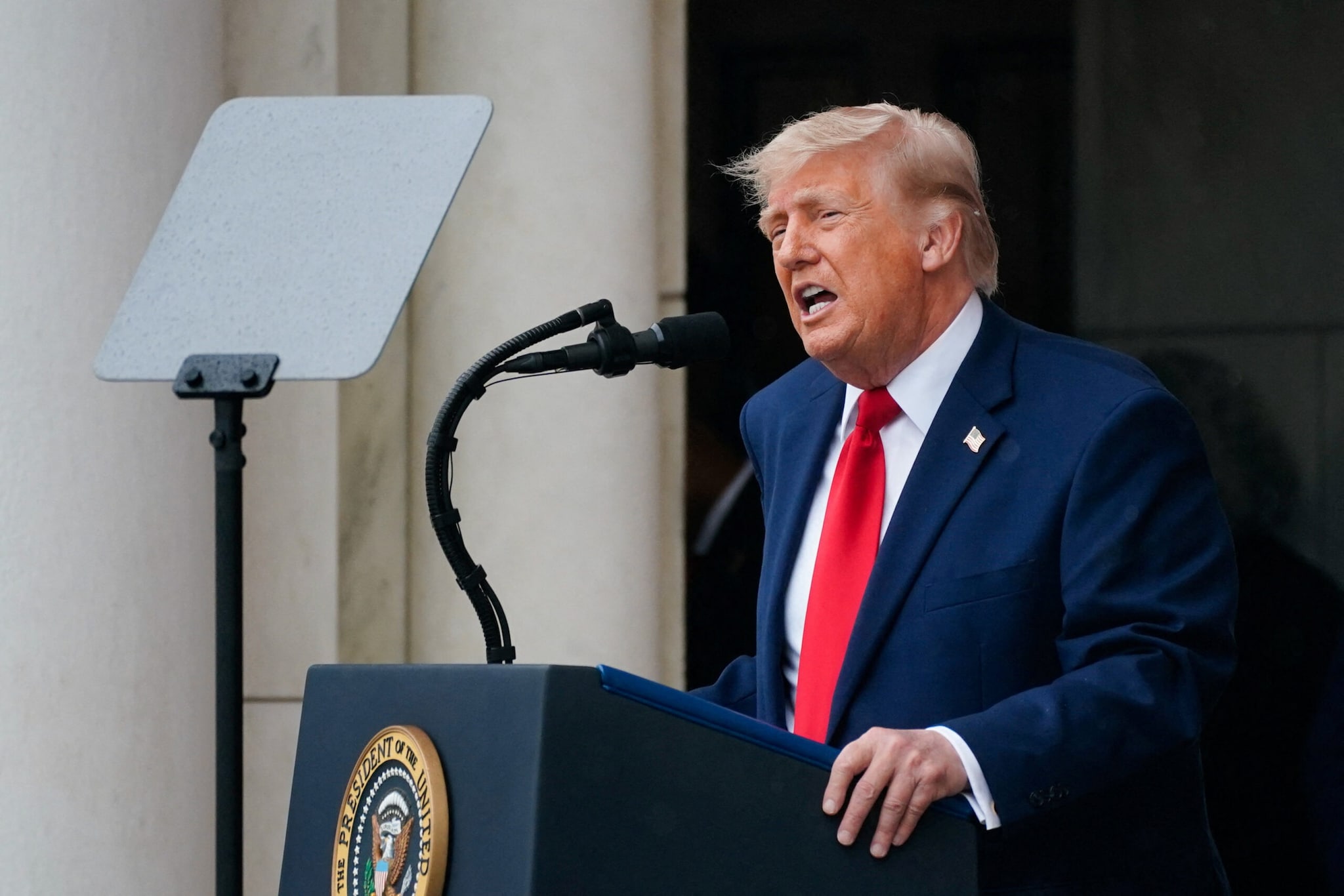
The lazy consensus treats military intervention as a simple binary switch—waiting only for the right combination of hawkish leaders in Washington and Jerusalem to flip it. This view ignores the structural realities of modern warfare, the constraints of global energy markets, and the actual defense doctrines of both nations. The loud posturing about "leaving the decision to Trump" is not a prelude to a bombing campaign. It is a sophisticated piece of political theater designed to mask strategic paralysis.
I have spent years analyzing Middle Eastern defense procurement, regional proxy networks, and the economic fallout of energy chokepoints. When you strip away the teleprompter rhetoric, the math for a kinetic strike on Iran simply does not add up.
The Illusion of the Low Cost Strike
The prevailing narrative assumes a rerun of Operation Opera in 1981 or Operation Orchard in 2007. In those instances, Israeli jets flew into hostile airspace, erased a single nuclear facility from the map, and flew home. Clean. Swift. Isolated.
Iran is not 1981 Iraq or 2007 Syria.
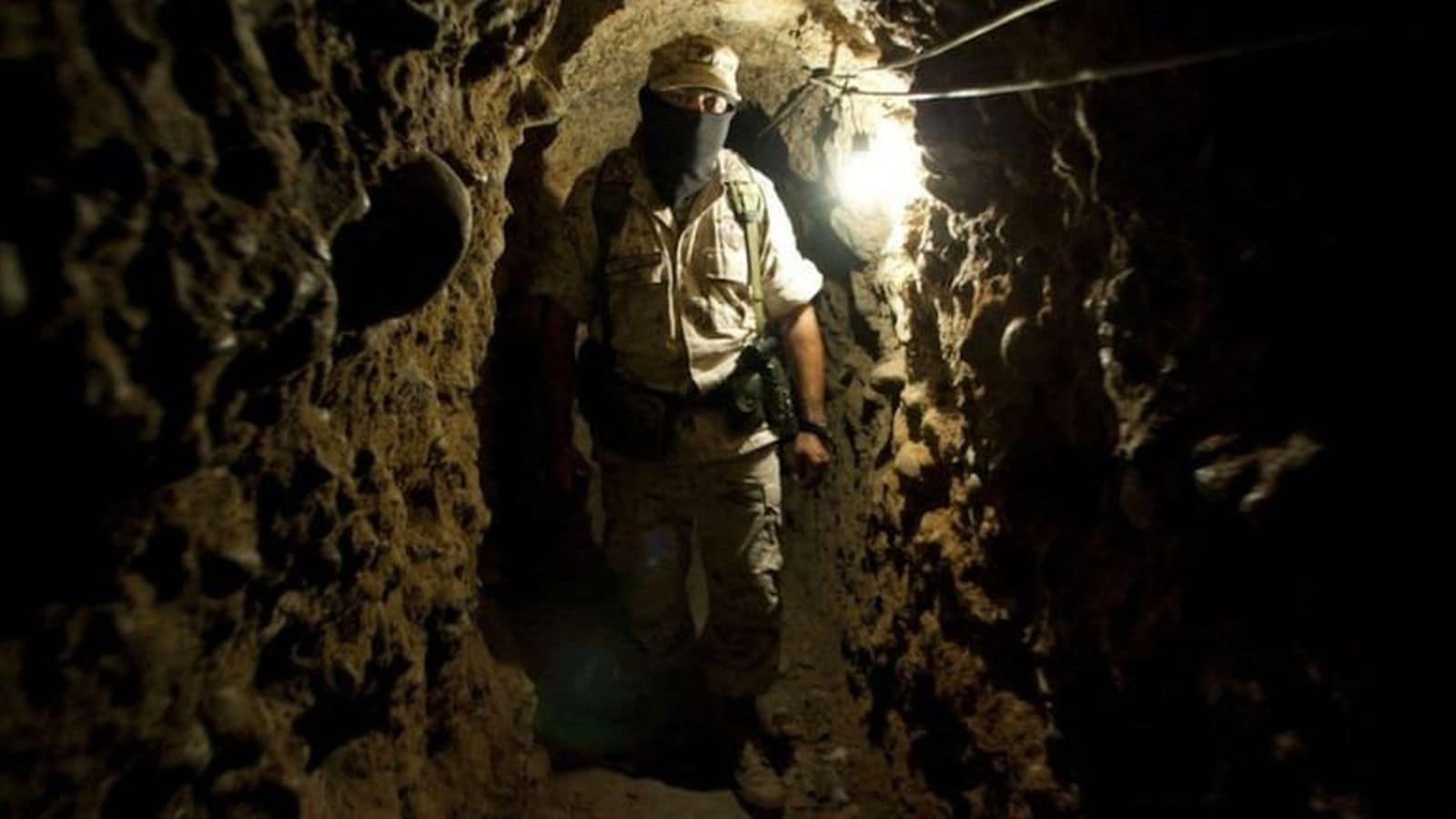
The Iranian nuclear program is not contained within a single, fragile dome above ground. It is a highly decentralized, redundant network of deeply buried facilities scattered across a massive, mountainous landmass.
- Fordow is buried under tens of meters of rock and concrete, explicitly designed to withstand the heaviest conventional ordnance in existence.
- Natanz features vast underground enrichment halls protected by sophisticated air defense layers.
To actually degrade this infrastructure—not just scratch the paint, but set it back by years—requires a sustained, multi-week aerial bombardment campaign. It requires hundreds of sorties, massive logistical tails, continuous mid-air refueling over hostile or uncooperative airspace, and the systematic suppression of sophisticated Iranian air defenses like the S-300 PMU2 system.
Israel lacks the strategic depth and the sheer volume of heavy bombers required to execute this solo. Only the United States possesses the asset mix—specifically B-2 Spirit and B-21 Raider stealth bombers, alongside massive stockpiles of the 30,000-pound GBU-57 Massive Ordnance Penetrator (MOP)—to crack Fordow.
So, the consensus argues, a joint strike solves the capability gap. Netanyahu provides the intent; Trump provides the heavy hardware.
This argument falls apart the moment you look at the day after the first bomb drops.
Why Trump Will Not Sign the Check
The assumption that a return of Donald Trump to the White House automatically guarantees a blank check for regional war misreads his entire foreign policy record. Trump is a transactional realist with a deep-seated aversion to protracted foreign military entanglements. His record is defined by economic warfare and targeted assassinations—like the drone strike on Qasem Soleimani—not the launch of multi-theater regime-change operations.
A sustained military campaign against Iran directly threatens the primary metric Trump cares about: domestic economic performance.
The Strait of Hormuz Trap
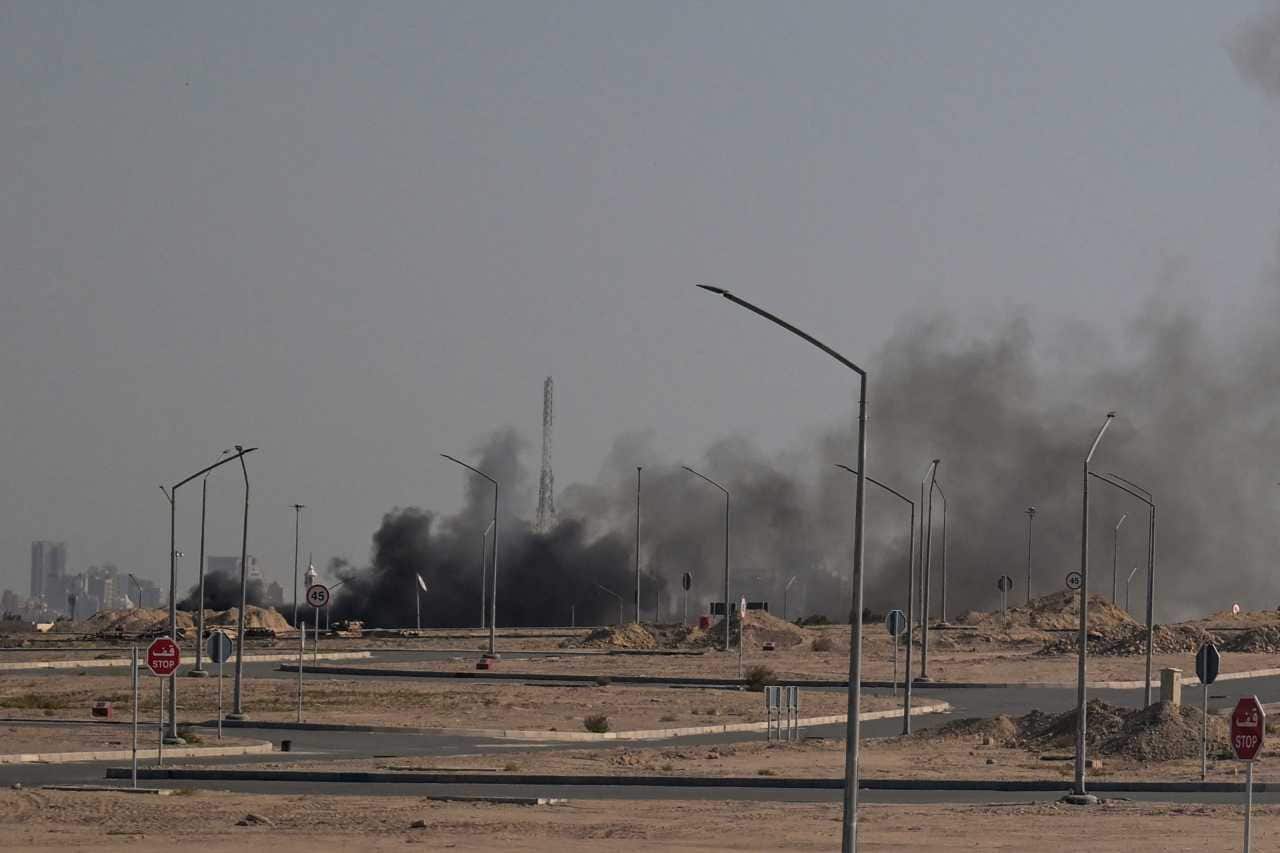
Iran’s primary defense doctrine is not symmetric air superiority; it is asymmetric retaliation. The moment the first cruise missile hits Natanz, the global energy market changes instantly.
Iran does not need to win a dogfight against an F-35. It only needs to sink a handful of commercial tankers, seed the Strait of Hormuz with smart mines, and deploy its vast arsenal of anti-ship cruise missiles and Shahed-type loitering munitions from mobile launchers along its rugged coastline.
Approximately 20% of the world’s petroleum liquids pass through the Strait of Hormuz daily.
If that chokepoint closes, or even if insurance premiums for maritime transit skyrocket to prohibitive levels, global oil prices will spike instantly. I am not talking about a modest five-dollar bump. Analysts who model energy supply disruptions understand that a true closure of the Strait risks pushing crude oil past $150 or $200 a barrel.
[Kinetic Strike on Iran]
       │
       ▼
[Asymmetric Retaliation in Strait of Hormuz]
       │
       ▼
[Global Energy Supply Disruption]
       │
       ▼
[Oil Surges Past $150/Barrel]
       │
       ▼
[Immediate Western Inflationary Shock & Recession]
No American president, let alone one whose political identity is tied to low inflation, cheap gas, and domestic economic growth, will willingly trigger a global economic depression to fight a war that yields no clear exit strategy. The White House knows this. The Pentagon knows this. Tehran certainly knows this.
The Flawed Premise of Deterrence Through Posturing
Whenever the public asks, "How do we stop a nuclear Iran?" the standard policy establishment response is invariably: "Keep a credible military threat on the table."
This premise is fundamentally flawed. Aggressive, public posturing from Western and Israeli leaders does not deter the hardliners in Tehran; it validates them.
For decades, the clerical regime has maintained its grip on power by positioning itself as the sole bulwark against foreign intervention and forced regime change. Public threats of military action provide the perfect domestic justification for economic hardship, political repression, and the acceleration of the nuclear program itself.
When Netanyahu stands before microphones and claims the US and Israel are ready for action, he is not speaking to the Supreme Leader in Iran. He is speaking to his own domestic coalition and political base. It is a branding exercise, not an operational briefing.
The Real Winner of the Rhetoric: Beijing and Moscow
While Washington and Jerusalem engage in this high-stakes rhetorical dance, the actual geopolitical balance is shifting under their feet. The threat of a joint military strike has accelerated a strategic alignment that makes an actual strike far more dangerous than it was a decade ago.
Iran is no longer a diplomatic island. It has integrated itself tightly into an axis of convenience with Russia and China.
- Russia relies on Iranian manufacturing for thousands of drones used in its European operations. In exchange, Moscow is transferring advanced electronics, electronic warfare capabilities, and potentially modern air defense components to Tehran.
- China remains the primary economic lifeline for Iran, purchasing discounted crude oil through a shadow fleet of tankers utilizing deceptive shipping practices. Beijing views Iran as a key node in its long-term Eurasian trade architecture.
A strike on Iran is no longer a localized event in the Middle East. It risks drawing direct counter-measures from major nuclear powers who have a vested interest in keeping the Islamic Republic stable and tied into their economic spheres. The risk of unintended escalation up the great-power ladder is higher today than at any point since the Cold War.
The Hard Truth About Israeli Defense Limits
Let's address the uncomfortable reality that Israeli defense planners discuss only behind closed doors. Israel’s security architecture is currently optimized for intense, short-duration conflicts against non-state actors on its borders. It is not built to sustain a long-distance war of attrition against a nation of 85 million people located 1,000 miles away.
Consider the air defense equation. Israel's multi-layered defense shield—Iron Dome, David's Sling, and Arrow 2 and 3—is a marvel of engineering. But it operates on a brutal math of interceptor inventory.
In any full-scale war, Iran would not act alone. It would activate its regional proxies to maximum capacity.
Imagine a scenario where thousands of precision-guided rockets, heavy artillery, and low-flying drones are launched simultaneously from Lebanon, southwestern Syria, western Iraq, and Yemen. Israel's interceptor stockpiles, which cost millions of dollars per unit to manufacture, would face rapid depletion within weeks. The domestic industrial base cannot reproduce these sophisticated interceptors at the speed they would be expended in a multi-front war.
The financial and societal toll of keeping the entire Israeli economy at a standstill under a permanent rain of rockets makes a protracted war of choice unviable.
The Path Left Unsaid
The media will continue to publish headlines detailing the latest warnings, the latest intelligence assessments, and the latest assurances of mutual cooperation between Washington and Jerusalem. They will analyze the body language of world leaders and debate the exact timeline of Iran's breakout capability.
But the actual policy will remain what it has been for years: a quiet strategy of gray-zone warfare, cyber operations, targeted sabotage, and economic strangulation.
This approach has its own obvious flaws and failures. It has not stopped Iran from accumulating highly enriched uranium. But it persists because the alternative—the cinematic joint military strike championed by politicians and parroted by commentators—is a strategic dead end that threatens to burn down the global economy.
Stop waiting for the big explosion. The theater is the policy.