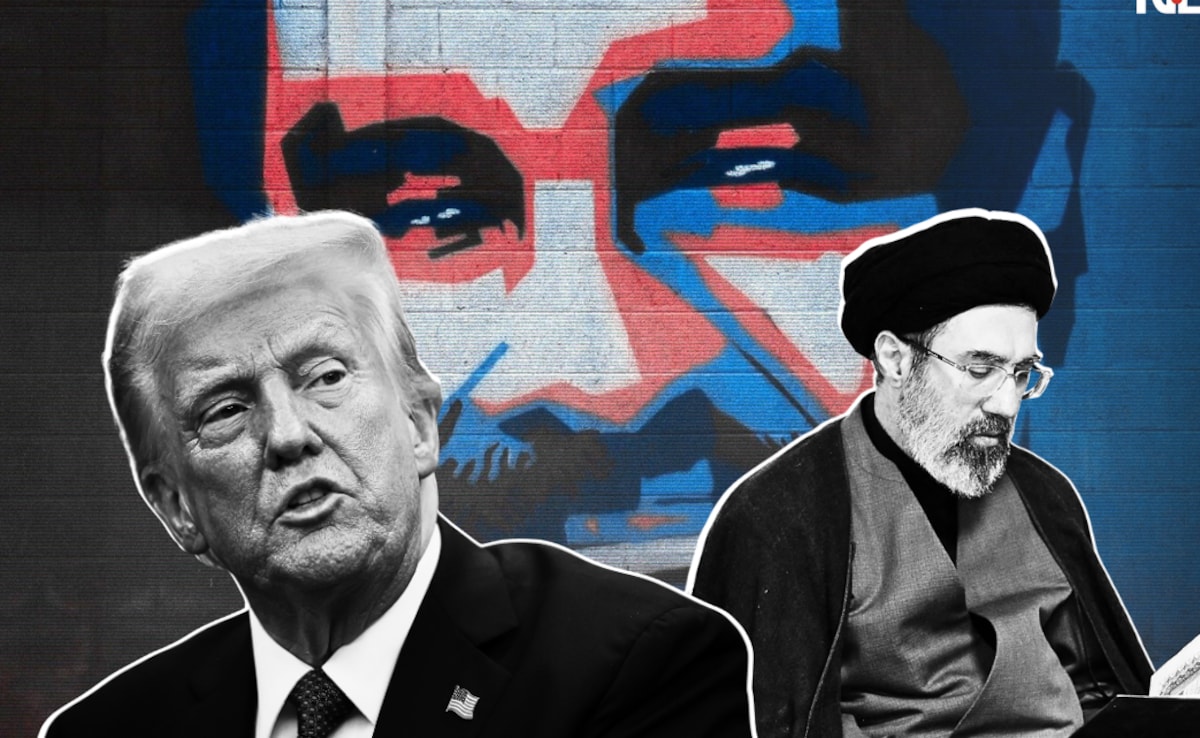
The coffee in the port of Bandar Abbas tastes like burnt chicory and salt. It is thick, viscous, and keeps the night shift moving. Outside the window, the Strait of Hormuz sits like a dormant, black snake coiled between the Persian Gulf and the Gulf of Oman. Every day, roughly twenty percent of the world’s petroleum supply passes through this ribbon of water, a maritime artery so fragile that a single sinking ship could choke the global economy into a seizure.
I spent time there years ago. You don't realize how small the world is until you stand on a shore and watch a supertanker—a mountain of steel and glass—glide past, so close you can hear the deep, rhythmic thrum of its engines rattling your very teeth.
Right now, the air in that region is thick with more than humidity. It is thick with conditions.
Tehran has finally spoken, offering a blueprint to reopen the strait fully, to unclench its iron grip on the fuel that powers half the planet. Their terms are specific. They are layered. They are designed to be impossible to swallow. They want the total removal of American sanctions, an end to the strategic containment that has suffocated their economy for decades, and a seat at the table of regional security that they haven't held since the fall of the Shah.
They are holding the throat, and they are telling the world exactly what it will cost to let go.
Washington, of course, is looking at these demands through a lens of hardened skepticism. In the West Wing, the current administration views these conditions not as an opening for dialogue, but as a ransom note. The political reality is cold. To accept these terms would be to hand a strategic victory to an adversary who has spent years perfecting the art of asymmetrical friction. It is a political impossibility. It is a suicide pact for any negotiator who values their career.
Consider the perspective of a hypothetical tanker captain, someone like Elias, a man I once met in a holding area off the coast of Fujairah. He has been at sea for thirty years. He doesn't care about the intricacies of sanctions or the nuances of high-level diplomacy. He cares about the depth of the water, the draft of his ship, and the terrifying realization that his vessel is essentially a floating bomb.
When he hears about the "conditions" for safe passage, he doesn't hear political strategy. He hears risk. He hears the sound of his insurance premiums skyrocketing. He hears the nervous chatter of his crew, who look at the horizon and see drones instead of birds.
The stakes here are not just barrels of oil. They are the price of a gallon of gasoline in a midwestern suburb, the cost of heating a home in a brutal European winter, and the stability of currencies thousands of miles away. The Strait of Hormuz is the world’s plumbing, and someone has just threatened to stop the flow until the mortgage is paid in full.
The current tension is a game of chicken played with aircraft carriers and speedboats. The Iranians know that time is a weapon. They can wait, and they can irritate, and they can squeeze until the pressure becomes unbearable for the consumer states. But they also know that if they squeeze too hard, they invite a force that will break their fingers.
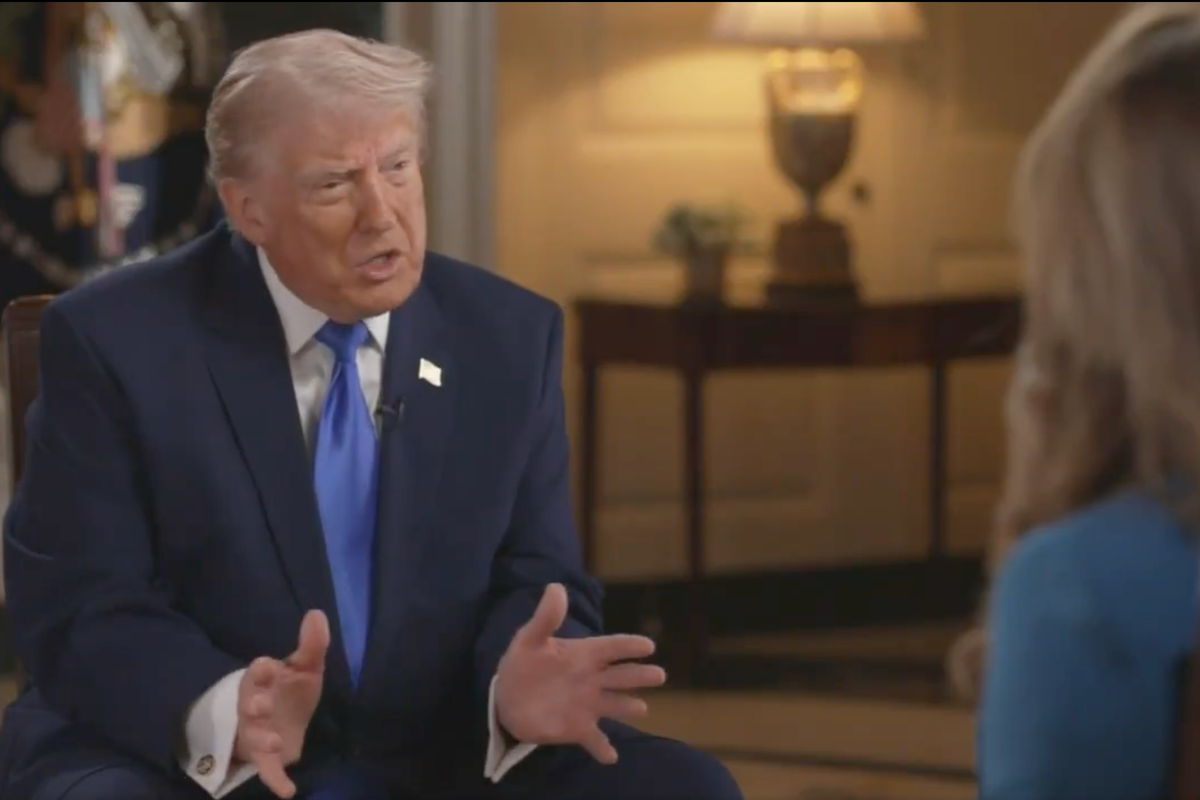
Donald Trump, with his history of maximum pressure policies, is the antithesis of the patience required to negotiate these specific demands. He is a man of blunt instruments. He is not a man who trades sanctions for promises. The history suggests that if he finds himself at the helm of this crisis, he will not look for common ground. He will look for a way to break the blockade.
This is the cycle of the region. It is a pendulum swinging between absolute control and absolute chaos.
There is a quiet, terrifying beauty to the way the world holds its breath when the strait is threatened. It is the moment we realize how interconnected we truly are. We think of our lives as independent, local affairs, but we are all tethered to that black, salt-sprayed water. We are all waiting for the tanker to pass through.
If the conditions are rejected—and they almost certainly will be—the status quo does not hold. It rots. The friction will escalate from warnings on the radio to silent, underwater maneuvers. It will move from the headlines into the quiet, frantic boardrooms of energy companies trying to calculate how much they can charge before the public starts to scream.
We are watching a standoff that has no exit ramp. It is a story of two sides speaking different languages, one shouting demands in the language of sovereignty and survival, the other answering in the language of power and deterrence. Neither hears the other. Both are waiting for the other to blink.
The sun rises over the Strait of Hormuz every morning, casting long shadows over the iron hulls of ships that are worth more than the GDP of small nations. The water looks calm. It looks empty. But underneath the surface, the gears of the world are grinding against each other, locked in a deadlock that threatens to tear the machinery apart.
There is no elegant resolution in sight. There is only the long, slow tightening of the knot, and the hope that someone, somewhere, realizes that the cost of winning might be the ruin of us all. Until then, the ships wait in the holding area, the engines hum in the dark, and the coffee in Bandar Abbas remains bitter, hot, and unending.