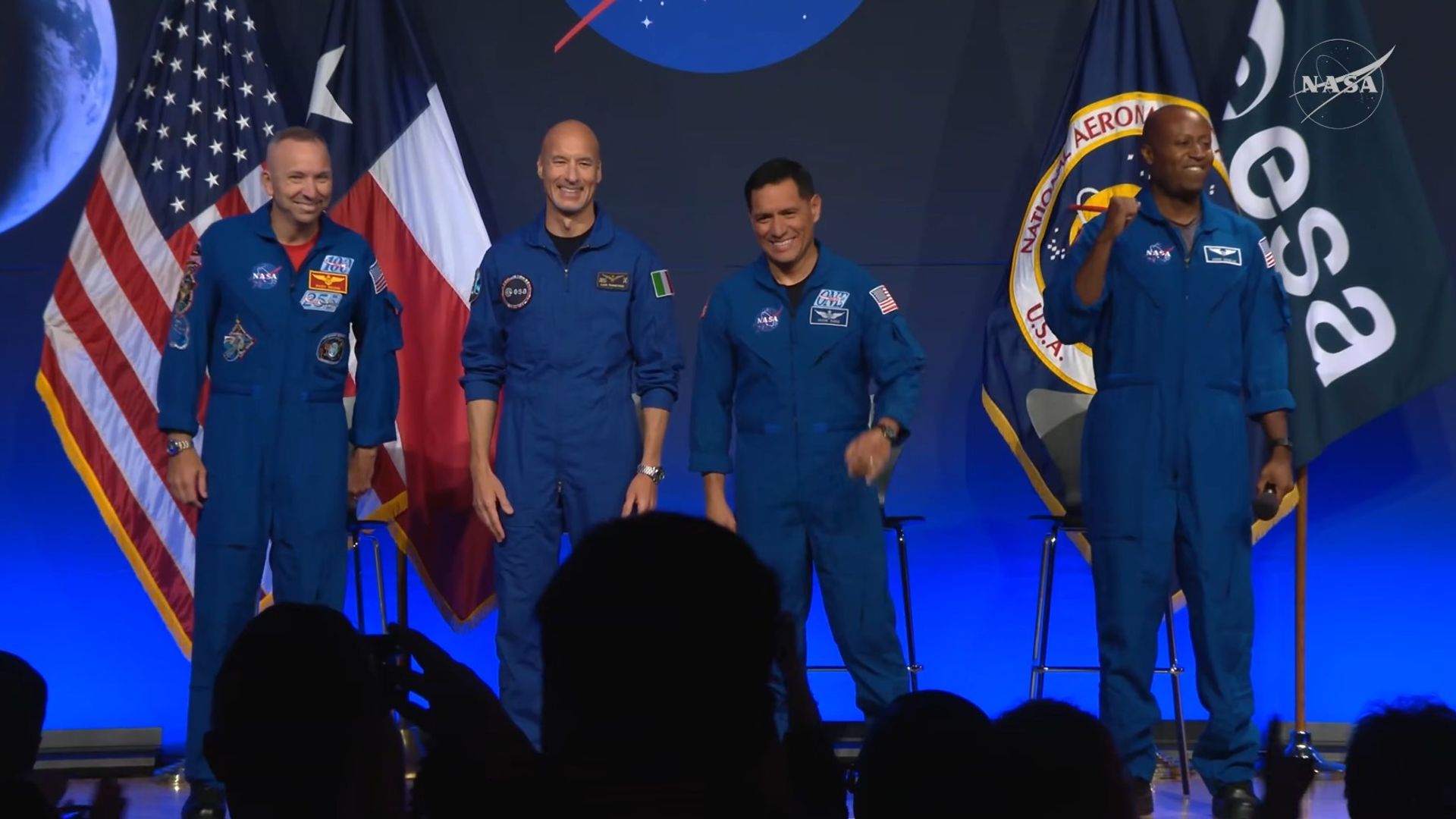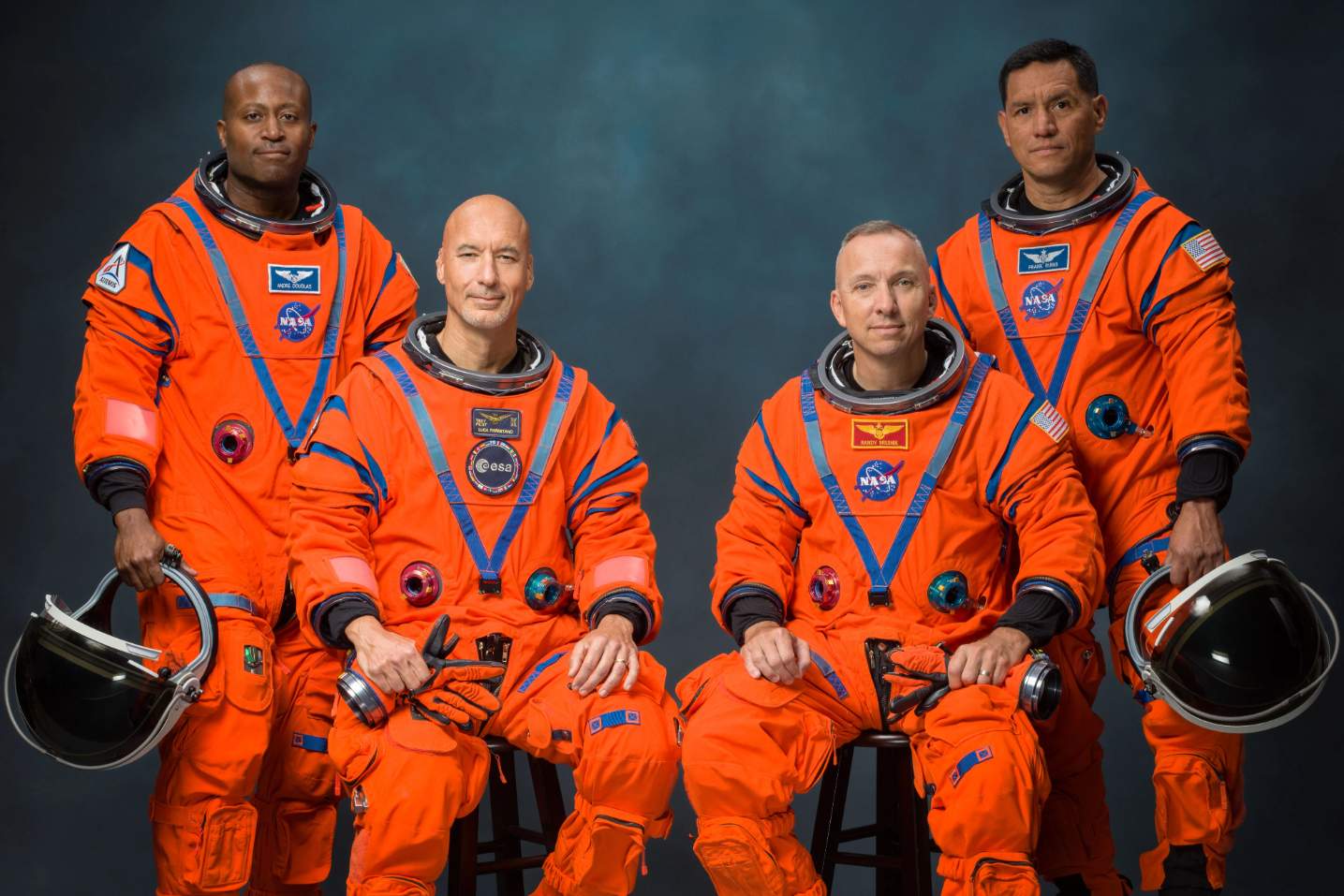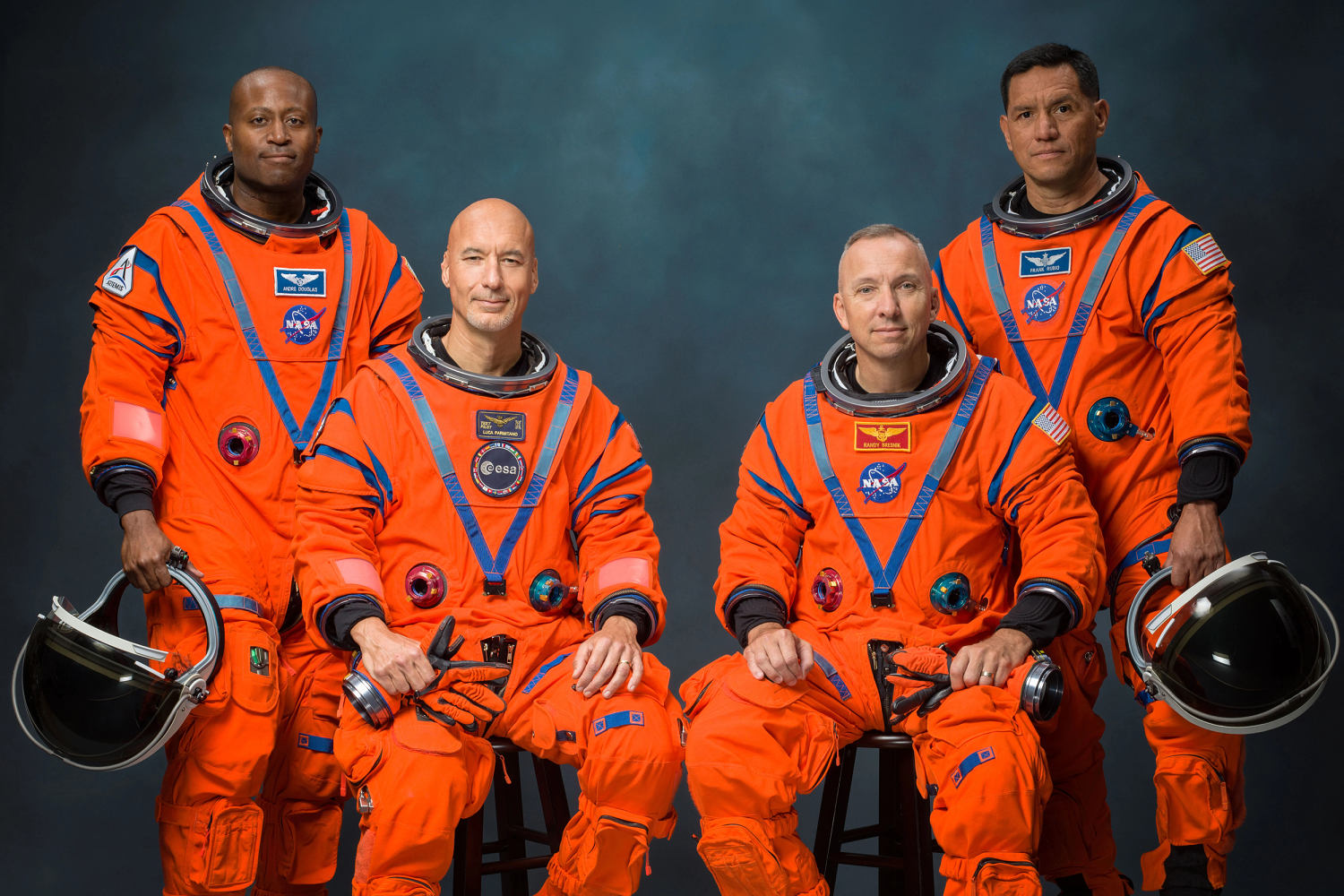
The mainstream media is currently swooning over NASA’s announcement of the crew for the Artemis III mission. They are buying the narrative wholesale. We are told this is a triumphant return to the moon, a stepping stone to Mars, and a masterclass in modern aerospace engineering.
It is none of those things.
Artemis III is an over-engineered, financially bloated political theater production that actively slows down our progress into the solar system. The collective space journalism apparatus is suffering from a severe case of Apollo nostalgia, blinding everyone to a harsh reality: the current architecture for landing humans on the moon in the 2020s is an operational nightmare.
We are pretending that repeating a feat accomplished with slide rules in 1969—using a fragmented, multi-billion-dollar supply chain—is progress. It is not. It is a regression masquerading as a leap forward.
The Operational Nightmare of the Multi-Launch Architecture
The public thinks a single rocket will launch from Florida, fly to the moon, land, and come back. That is how Apollo worked. That is not how Artemis works.
To get two astronauts onto the lunar surface for Artemis III, NASA is relying on a logistics chain so fragile that any seasoned logistics manager would laugh it out of the room. The Space Launch System (SLS) rocket will launch the Orion spacecraft with the crew. Meanwhile, SpaceX must launch a fleet of Starship propellant tankers into low Earth orbit.
How many tankers? Estimates from aerospace analysts and internal NASA watchdogs range from 8 to close to 20 cryogenic refueling flights just to pump enough liquid oxygen and methane into a single Starship Human Landing System (HLS) so it can boost itself to the moon.
Think about the math. We have never performed autonomous cryogenic propellant transfer in orbit at scale. Not once. Artemis III requires doing it over a dozen times in rapid succession to avoid the fuel boiling off. If one launch slips, if one valve freezes, the entire orbital fuel depot plan crumbles.
I have spent years analyzing aerospace supply chains and watching defense contractors miss deadlines. Believing that we can suddenly orchestrate a dozen-plus rapid-fire launches of the largest rocket ever built, without a single hitch, to pull off one moon landing is peak bureaucratic delusion. We are building a bridge out of glass and pretending it is made of steel.
The Lunar Orbit Absurdity
Then there is the choice of orbit. Artemis III will not go into a low lunar orbit like Apollo. It will use a Near-Rectilinear Halo Orbit (NRHO).
NASA defends NRHO because it offers continuous communication with Earth and requires less fuel for the Gateway station to maintain. But for a landing mission, NRHO is an absolute logistical penalty box. It sits at a gravitational tipping point between the Earth and the Moon.
Because the orbit is highly elliptical, the Starship HLS has to perform massive burn maneuvers to drop down from this distant orbit to the lunar surface and then climb all the way back up. We are choosing a convoluted orbital parking space to justify a station (Gateway) that we do not even need for the initial landings. It is an architecture designed by committee to satisfy international partners and congressional funding buckets, not an architecture designed for efficient exploration.
High Risk, Low Reward
Let us look at what we actually get from this multi-billion-dollar roll of the dice.
The primary justification for Artemis III is extracting water ice from the permanently shadowed regions of the lunar South Pole. The narrative says this ice will be processed into rocket fuel for deep space travel.
This sounds brilliant on paper. In practice, it is a farce.
We do not know the exact composition of that regolith-mixed ice. We do not know how much energy it will take to extract it in minus-200-degree environments where steel becomes brittle as glass. More importantly, the infrastructure required to mine, purify, and liquefy that ice into rocket-grade propellant on the moon would weigh hundreds of tons.
To haul that mining infrastructure to the moon, we need... more rockets. We are trapped in a circular logic loop. We are launching dozens of rockets today to build a hypothetical fuel refinery that might save us a few launches forty years from now.
If our actual goal were Mars, we would skip the lunar surface entirely. We would focus every single dollar on mastering orbital refueling, artificial gravity, and radiation shielding in low Earth orbit. The moon is a massive gravity well that siphons off cash, time, and engineering talent. It is a detour driven by geopolitics, not science.
The Broken Economics of SLS
Every time an SLS launches, Uncle Sam burns roughly $2 billion just for the expendable hardware. The RS-25 engines lifting the rocket are literal museum pieces—upgraded versions of the Space Shuttle main engines. Instead of reusing them, NASA drops four of these engineering masterpieces into the Atlantic Ocean every single flight.
It is institutionalized vandalism of high-tech hardware.
Compare this to the commercial sector's drive toward total reusability. NASA is tethered to a cost-plus contracting model that rewards legacy aerospace giants for delays and cost overruns. The longer it takes, the more profit they book. Artemis III cannot achieve a sustainable cadence because the financial foundation is built on quicksand.
The Brutal Answer to the Wrong Questions
People frequently ask: When will Artemis III land? That is the wrong question. The real question is: What happens after it lands once? The answer is nothing for a very long time. Because of the astronomical cost of the SLS and the complexity of the Starship refueling architecture, Artemis IV and V will be spaced years apart. This is not the dawn of a spacefaring civilization. It is Apollo 2.0—a flag-and-footprints campaign designed to generate press releases and satisfy national pride before the budget inevitably gets slashed by a future administration facing domestic economic crises.
If we want a permanent presence in space, we must stop worshipping at the altar of government-directed flag-planting. We need to admit that Artemis III is a fragile, over-complicated stunt.
Turn the SLS into a cargo-only heavy lifter for massive space telescopes. Stop forcing human crews into an orbital dance that requires twenty launches for a single destination. Shift the entire budget toward fully reusable architectures that launch from Earth, refuel simply, and go straight to the destination without stopping at a useless political outpost in halo orbit.
Until we kill the nostalgia and fire the committees, we are just burning billions to recreate the achievements of our grandparents.