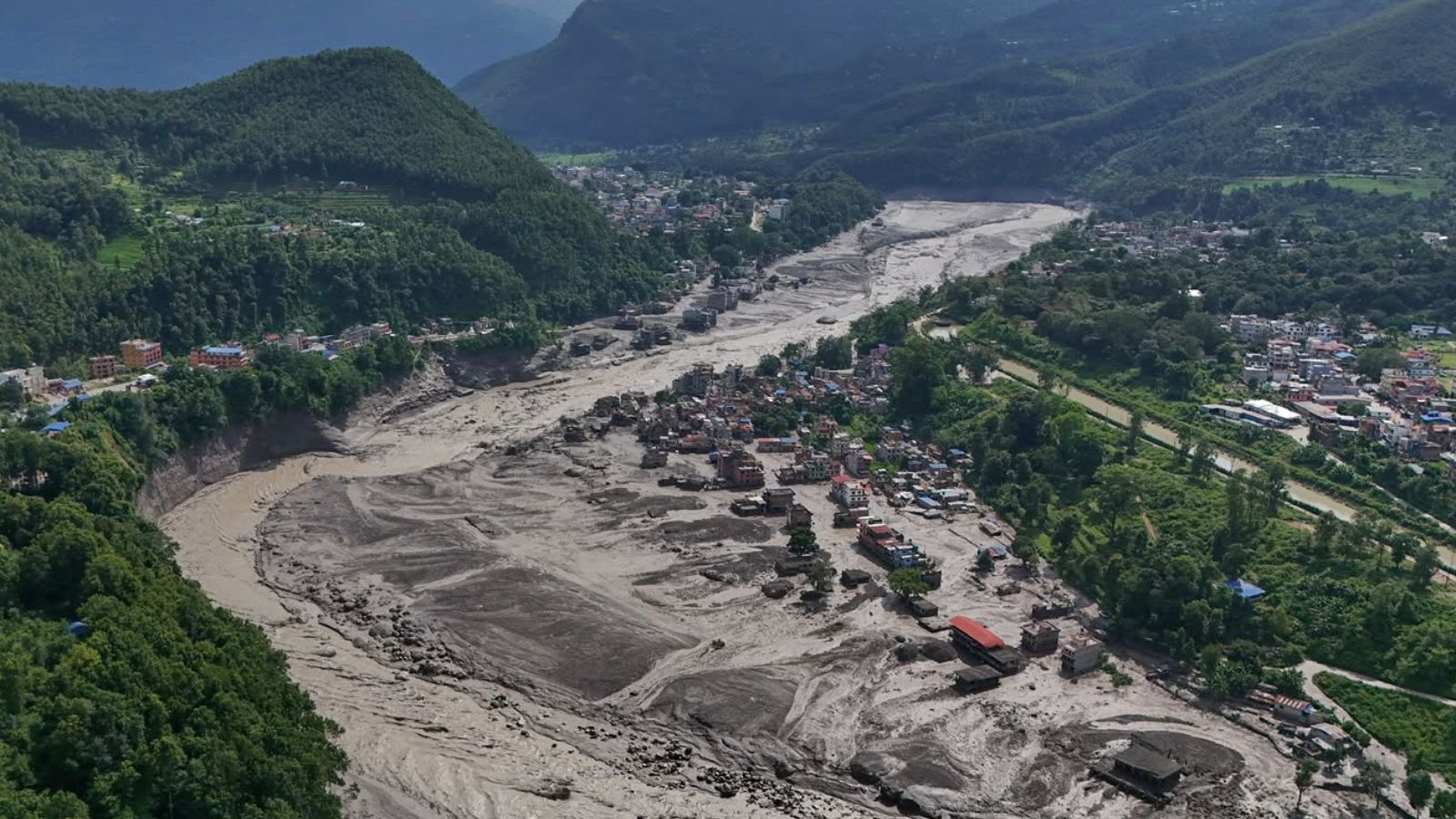
A massive wall of mud, rock, and water tore down Himalayan valleys this week, triggering one of the worst natural disasters the region has seen in years. At least 165 people are confirmed dead, and over 1,100 people remain unaccounted for after a catastrophic glacial collapse unleashed sudden flash floods along the Nepal-China border.
If you are trying to track down loved ones or understand how a mountain collapse turned into a trans-border catastrophe, here is the reality on the ground. Recently making headlines in related news: The Long Wait Across the Border.
What Actually Triggered the Disaster
The disaster didn't start with heavy monsoon rains. Instead, scientists and disaster management authorities point to a sudden glacial collapse and ice avalanche high up near the Tibet border.
An ice-and-rock mass broke away, sending a massive debris flow crashing into the Lhende Khola and the Bhote Koshi river systems. Water levels in downstream rivers like the Trishuli spiked by up to nine meters in less than half an hour. Further details on this are explored by Reuters.
Surveillance footage from the border showed an enormous wall of sludge swallowing multi-story buildings, vehicles, and bridges as if they were made of paper. Entire settlements and local market areas along the river paths were completely wiped out.
The Scale of the Missing and Affected
The human toll is staggering. Nepal's National Disaster Risk Reduction and Management Authority reports that the death toll has climbed to 165, with over 800 people missing on the Nepalese side alone. Across the border in Tibet's Gyirong county, Chinese state media reports an additional three deaths and hundreds more missing.
A significant portion of those missing are foreign nationals and tourists. Travelers caught in the disaster zone included pilgrims heading toward Mount Kailash, trekkers exploring remote Himalayan routes, and visitors near popular border trading posts.
Citizens from dozens of countries—including India, the United States, the United Kingdom, Australia, Canada, and Malaysia—are among the missing. Embassies and international consulates have set up emergency helplines as families desperately seek information.
Infrastructure Collapse and Rescue Hurdles
Rescue operations are moving at a desperate pace, but they face brutal hurdles. The floods destroyed dozens of motorable bridges, suspension bridges, and critical stretches of highway. Key routes connecting Kathmandu to border regions are completely blocked or washed away.
Because roads are impassable, military helicopters are carrying out emergency rescue flights, plucking stranded survivors from rooftops and dropping vital supplies to cut-off communities.
The disaster has also heavily impacted regional power grids. Multiple operational and under-construction hydropower projects along the river corridors suffered severe structural damage, plunging parts of the region into communication blackouts.
Warnings and Next Steps for Travelers
Neighboring India has placed states like Bihar and Uttar Pradesh on high alert, evacuating thousands of residents as swollen rivers move downstream.
If you have family members traveling in Nepal or the Tibet border regions, do not rely on standard mobile networks, as local communication lines are severely disrupted. Reach out directly to your country's foreign ministry or local embassy helplines for official tracking assistance, and avoid all travel to the affected river basins until authorities declare the region stable.