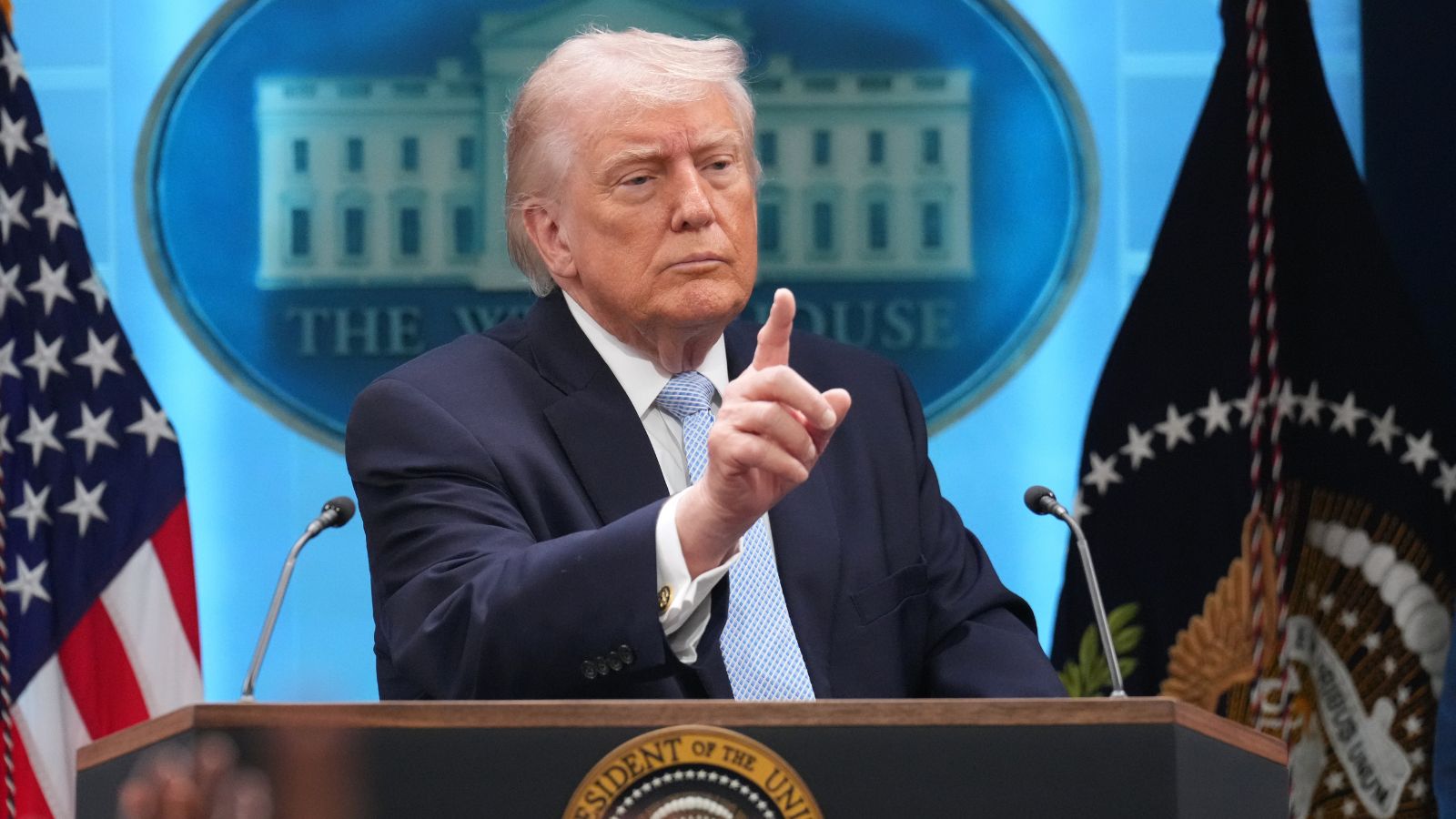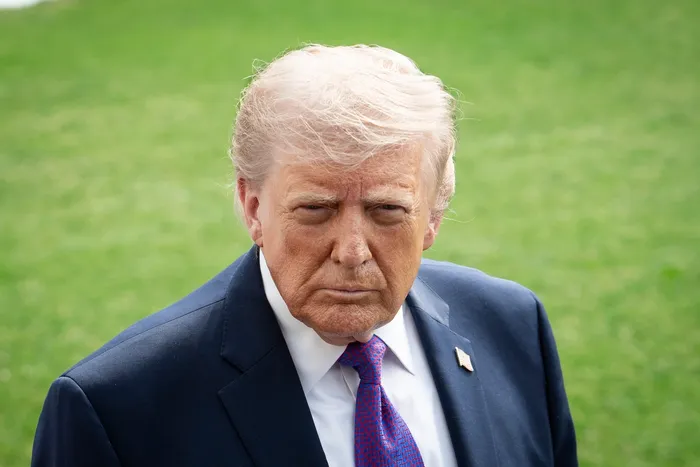
The Middle East remains a powder keg, but a new development just shifted the energy. President Donald Trump announced a 10-day ceasefire between Israel and Lebanon, set to begin at 5 p.m. Eastern time this Thursday. For anyone watching the headlines, this news feels like a momentary gasp of air in a suffocating conflict. Yet, history tells us to keep our expectations in check.
This temporary truce follows a series of high-level diplomatic phone calls involving President Trump, Lebanese President Joseph Aoun, and Israeli Prime Minister Benjamin Netanyahu. It is a direct result of the historic, first-of-its-kind direct diplomatic talks held in Washington just days ago. Those meetings marked the first time the two countries sat across from each other in over 34 years.
The Reality Behind the Headlines
You’re likely asking if this 10-day pause actually means the end of hostilities. The short answer is: don't hold your breath.
There is a massive gap between diplomatic handshakes in Washington and the reality on the ground in southern Lebanon. While the government of Lebanon and Israel have agreed to this window, Hezbollah—the powerful militant group entrenched in Lebanon—is a different animal entirely. Israel has consistently maintained that previous agreements failed because Lebanon lacked the capacity or the will to disarm Hezbollah.
The conflict has been brutal. Since early March 2026, we have seen ground incursions, relentless airstrikes in Beirut and the Beqaa Valley, and thousands of lives lost. Over one million people, roughly 20 percent of Lebanon's population, are now displaced. This isn't just a border skirmish. It is a humanitarian crisis of the highest order.
Why This Ceasefire Is Different
Most people get this wrong: they assume a ceasefire is a peace treaty. It isn't. It is a tactical pause.
President Trump has tasked Vice President JD Vance and Secretary of State Marco Rubio with driving the next phase of this process. The goal is to move from this 10-day pause toward a lasting settlement. Whether that is possible depends on three hard truths:
- The Hezbollah Factor: Israel’s military strategy has been focused on establishing a security zone in southern Lebanon. They have explicitly stated that they view Hezbollah as a distinct entity from the Lebanese state. If Hezbollah continues its rocket fire, the ceasefire will evaporate in hours.
- The Iran Connection: The U.S. is currently applying extreme pressure on Tehran, including a naval blockade. Because Hezbollah acts as an Iranian proxy, their actions are inextricably linked to the broader U.S.-Iran friction. If the U.S. and Iran remain on a collision course, local deals in Lebanon stay incredibly fragile.
- Internal Lebanese Stability: The Lebanese government is essentially caught in the middle. They are trying to assert state sovereignty and end the war, but they are also navigating a political environment where Hezbollah holds significant power.
What to Watch for in the Coming Days
Don't look for a massive breakthrough immediately. Look for indicators of compliance on the ground.
- Border Activity: Watch for any rocket launches into northern Israel or Israeli aircraft over Lebanese airspace. If these continue, the "ceasefire" is effectively dead on arrival.
- Diplomatic Invitations: Trump has signaled that he intends to host direct talks with Netanyahu and Aoun at the White House. If these meetings actually happen, it’s a sign that the parties are serious about a long-term framework.
- Humanitarian Access: International observers will be tracking whether aid starts flowing into southern Lebanon. If the ceasefire is real, the movement of basic supplies should increase immediately.
It’s easy to get lost in the noise of social media announcements. The truth is that international diplomacy works in increments. This 10-day window is a test. If both sides can hold their fire, it provides a sliver of space for negotiators to try and solve the intractable issues that have fueled this violence for decades. If they can't, we are right back to the status quo.
Stay skeptical of the messaging, but keep an eye on the actual movement of personnel and supplies. That is the only real metric that matters.