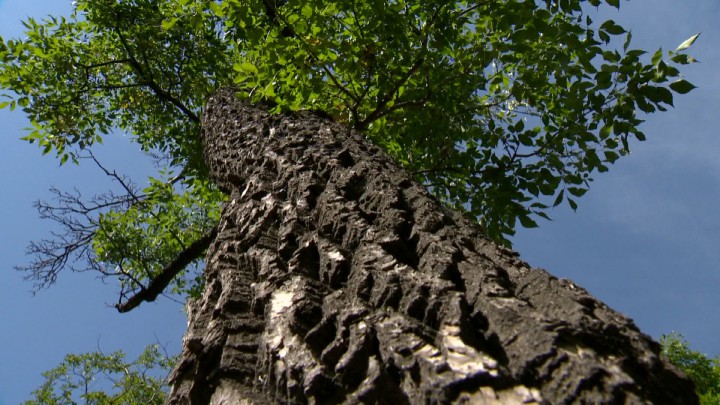
Edmonton's urban canopy is in trouble. Two more American elms have tested positive for Dutch elm disease, hitting the downtown core and the Delwood neighbourhood. These aren't just isolated anomalies. They mark the 15th and 16th confirmed cases in the city since the fungus first breached local defenses back in 2024.
If you think this is a minor forestry issue, you are dead wrong. Edmonton holds one of the last large, relatively disease-free urban elm populations on the planet. We have roughly 90,000 elm trees making up about 22 percent of public open space and boulevard inventories. When the city rolls in to chop down infected trees on public property—as they did immediately for these latest downtown and Delwood discoveries—it is an emergency defense measure. Discover more on a connected subject: this related article.
Understanding the Threat to Edmonton Elms
Dutch elm disease is basically a slow-motion ecological disaster. Caused by an aggressive fungus, it plugs up the water-transporting vessels inside the tree. The leaves wilt, curl, and turn brown, and the tree basically dies of thirst from the inside out.
What makes it so terrifying is how it travels. It moves two ways: underground through interconnected root systems shared by neighboring elms, and airborne via tiny native and European elm bark beetles. These bugs love breeding in dead or dying wood. If you leave pruned elm branches sitting in your yard, you're basically running a luxury hotel for tree-killing pests. More analysis by Associated Press delves into related perspectives on this issue.
The recent downtown and Delwood infections didn't shock city arborists, but they validate their worst fears. Both trees stood within one-kilometer protocol zones tied to previous detections. The disease is creeping outward, testing every rule, bypass, and backyard loophole homeowners think they can exploit.
Common Mistakes That Accelerate the Spread
Most property owners want to do the right thing, but ignorance is fueling this epidemic. People make avoidable mistakes every single season.
First, homeowners love to hoard firewood. Transporting firewood from camping trips or other regions is the primary vector that introduces foreign beetle populations into clean areas. Stop moving wood across municipal lines. Burn it where you buy it.
Second, timing matters. Under Edmonton's Community Standards Bylaw, pruning elm trees is strictly banned between April 1 and September 30. Why? Because fresh pruning cuts release scents that act like an open dinner invitation to hungry bark beetles. People still sneak out their saws during summer to tidy up low-hanging branches, completely unaware they are painting a target on their own property.
Third, proper disposal is non-negotiable. You cannot toss old elm branches into general green carts or drop them off at standard neighborhood eco-stations. Elm wood needs to go straight to the Edmonton Waste Management Centre or be destroyed properly to eliminate fungal spores and beetle larvae.
What You Must Do Right Now
You cannot afford to wait for city inspectors to walk down your alley. If you own a property with mature trees, you have to take an active role in protecting our canopy.
Inspect your elms frequently between June and July. Look closely at the upper canopy. Are the leaves drooping, yellowing, or curling prematurely while the rest of the neighborhood looks lush? Check twigs for distinct brown staining in the sapwood by peeling back a tiny strip of bark.
If you spot anything suspicious, don't guess. Call 311 immediately or report it online to the City of Edmonton. Crews will come out to test samples and assess whether a hazard tag is necessary.
Save your trees by respecting the pruning bans, ditching the unauthorized firewood pile, and reporting warning signs before a localized infection turns into an urban forestry wipeout.