The quiet North is gone. For decades, policy makers treated the Arctic like a frozen laboratory where diplomats swapped climate papers and everyone played nice. That era blew up.
In October 2026, Brussels rolled out its updated EU Arctic Strategy with a tone shift you can't miss. Security sits right at the front of the line now, backed by climate urgency, economic pressure, and promises to local communities. Honestly, it had to happen. With Russia pressing harder in the north, shadow fleet ships slipping past monitors, and sea ice vanishing at nearly four times the global average, treating the Arctic as a sleepy backwater is a fast way to lose your footing. You might also find this related story insightful: What Most People Get Wrong About Kim Jong Un Health Rumors.
What makes this EU Arctic push different isn't just the words on paper. It's the move from moralizing lectures to hard infrastructure, maritime tracking, and regional muscle alongside NATO.
Why Brussels Dropped the Old Playbook
If you read older European statements on the High North, they often sounded like a lecture from a distant capital. Lots of lofty goals. Not much boots-on-the-ground grit. As reported in recent articles by NPR, the results are widespread.
Analysis from the Clingendael Institute points out that Brussels has stepped away from that softer diplomatic posture toward operational security, infrastructure defense, and targeted investment. Even the old push for a sweeping legal ban on new Arctic oil and gas projects has been dropped in the updated strategy. That's a huge signal. Energy security and raw material supply chains are forcing pragmatic choices that sounded politically awkward a few years ago.
Still, I think skeptics have a fair point when they ask whether Brussels actually has the teeth to back up big talk. Policy documents don't patrol northern waters or repair severed undersea cables on their own. Money, clear command lines, and real ships or sensors have to follow.
Security, Shadow Fleets, and Undersea Cables
Let's be real about what keeps defense planners awake at night. When melting ice opens longer stretches of water and shifts shipping lanes, it also creates blind spots.
The new strategy leans into a maritime security hub designed to tighten monitoring, spot threats to critical infrastructure, track shadow fleet vessels, catch illegal fishing and pollution, and sharpen search and rescue coordination. And it explicitly aims to work in step with NATO rather than tripping over overlapping mandates.
There's another front that gets overlooked until something breaks: information and influence. Experts at the Belfer Center have flagged information space and democratic resilience as major flashpoints in the north, where digital narratives move faster than icebreakers. You don't need an invasion to stir up trouble in remote towns; a steady stream of disinformation can fracture trust fast.
At the same time, some observers have noticed a blind spot in how much weight the strategy gives to China compared to Russia. Beijing has spent years building polar research credibility and commercial ties across the north, so treating it as an afterthought could bite Europe later.
Four Pillars Reshaping the High North
Brussels organized this strategy around four main pillars—security, climate, economy, and people—and each one pulls on a different lever.
- Security and resilience: Tighter situational awareness, infrastructure protection, maritime surveillance, and closer coordination with member states and NATO.
- Climate response: Stronger climate science and adaptation work to deal with rapid warming that reshapes coastlines, permafrost, and maritime safety.
- Economic security: Building resilient value chains around critical raw materials, renewables, transport, and digital links while boosting polar research coordination.
- People and communities: Backing local governments, skills, youth engagement, and dialogue with Indigenous Peoples so policy isn't just made about northern residents without them.
That fourth pillar sounds great on paper, though critics have noted that cultural representation still feels thin in the text itself. If you tell northern communities they're at the center of the plan, they'll judge you by whether local voices shape projects early—not after budgets are already locked.
What Melting Ice Actually Changes on the Ground
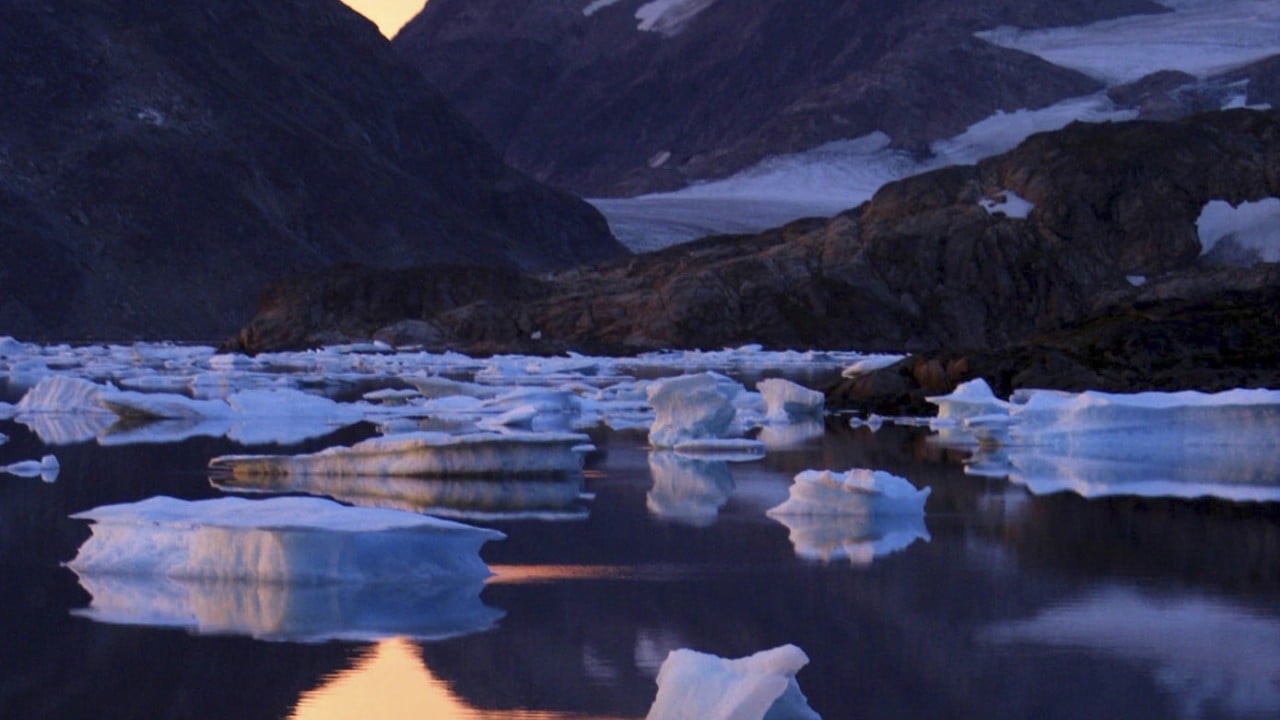
Warming in the Arctic isn't a distant forecast anymore. When sea ice retreats and permafrost thaws, roads buckle, ports face shifting ice conditions, and new economic routes draw more traffic into harsh, unforgiving waters.
You can see the tension right there in that scene. A reinforced hull can push through broken ice, yet the surrounding environment is changing faster than old charts and old rules can keep up. Longer navigable windows tempt shipping and resource projects, while unpredictable ice and extreme weather raise the stakes every time a vessel enters the zone.
A quick reality check helps here. Faster routes don't mean easy money. Operating in polar conditions is expensive, slow, and unforgiving when gear freezes or weather turns ugly. Any company or government chasing quick wins in the north without serious cold-weather engineering is asking for trouble.
Practical Moves for Anyone Watching This Shift
If you track European foreign policy, supply chains, climate risk, or defense tech, don't stop at press releases. Watch how execution plays out over the next twelve to twenty-four months.
- Track actual funding and procurement, not just policy pledges: Look at where real budget lines go for maritime surveillance, polar research hubs, and resilient grid or cable links.
- Watch EU and NATO coordination in northern waters: Pay attention to how information sharing and infrastructure defense line up across Nordic and EU partners.
- Check local and Indigenous reactions in the north: Real durability in Arctic projects depends on whether local municipalities and Indigenous representatives back the work or push back against top-down plans.
- Separate climate headlines from commercial hype: Keep an eye on hard data around shipping traffic, critical mineral projects, and climate adaptation costs rather than assuming every ice-free headline equals a booming trade lane.
The High North is testing whether Europe can pair clear strategic intent with practical staying power. That part is just getting started.