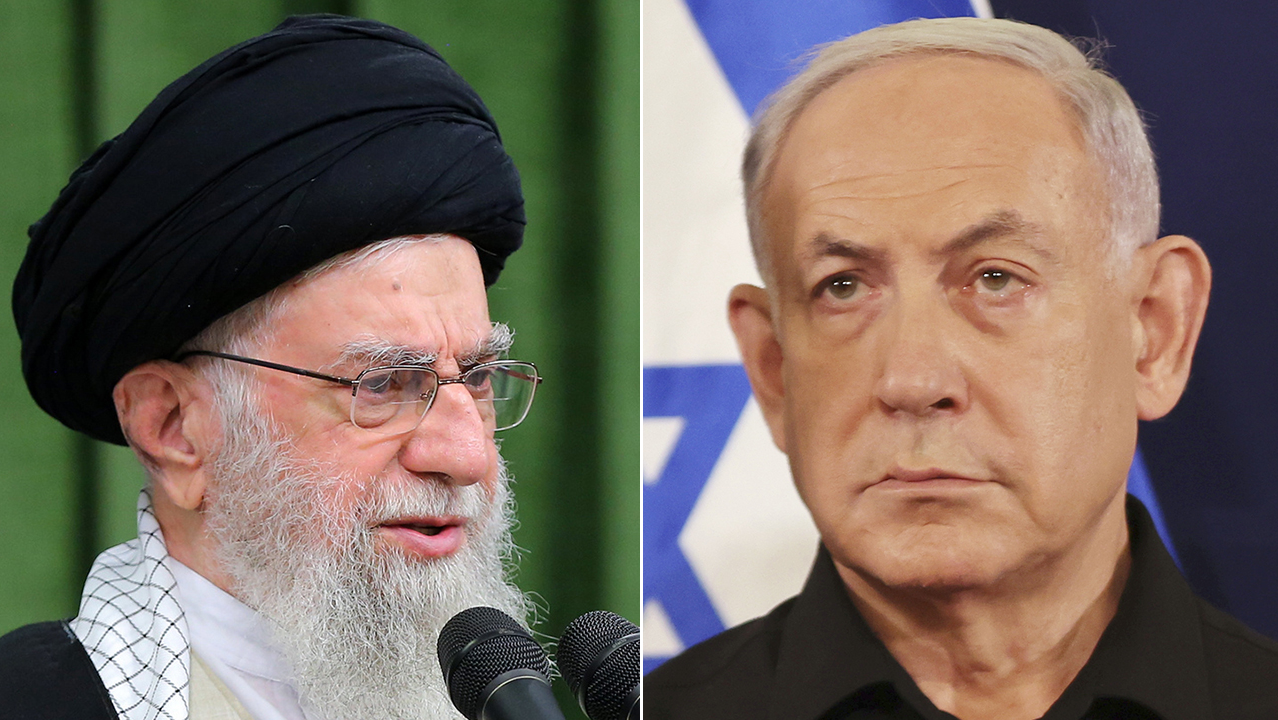
The Middle East just caught its breath, but don't exhale quite yet. A two-week ceasefire between the United States and Iran officially kicked in today, April 8, 2026. It comes after 40 days of brutal hostilities that saw energy prices spike and nerves fray across every global trading floor. While the UN is busy celebrating, the reality on the ground is a lot messier. This isn't a peace treaty. It's a strategic pause, and the stakes for what happens next in Islamabad this Friday couldn't be higher.
A Fragile Pause in the Persian Gulf
You've probably seen the headlines about the "two-week window," but the real story is in the details of the agreement facilitated by Pakistan. For the first time in over a month, the direct exchange of missiles between U.S. facilities and Iranian targets has stopped. However, the ink wasn't even dry before reports emerged of continued Israeli strikes in Lebanon. This highlights the biggest flaw in the current deal: it doesn't cover the entire "Axis of Resistance."
Iran wants this pause to extend to its proxies in Lebanon and Yemen. The U.S. and its allies aren't there yet. Meanwhile, the Strait of Hormuz remains a massive question mark. Despite the ceasefire, Tehran hasn't re-opened the world's most critical oil chokepoint. If you're looking for a sign of true de-escalation, watch the shipping lanes, not the diplomatic podiums. Until tankers move freely, the global economy is still in a defensive crouch.
Delta Air Lines Defies the Chaos
While the geopolitical world is on edge, Delta Air Lines just proved that people will travel through almost anything. Delta dropped its Q1 2026 earnings this morning, and the numbers are honestly staggering. They pulled in a record $14.2 billion in revenue, beating expectations even with fuel costs that would make most CFOs weep.
- Earnings per share: $0.64 (beating the $0.61 estimate).
- Revenue growth: Up 9.4% year-over-year.
- Stock reaction: Shares jumped over 11% in premarket trading.
The most interesting part? It's not just vacationers. Corporate travel sales hit a record this quarter, led by the tech and defense sectors. It seems the more volatile the world gets, the more "essential" business travel becomes. Delta is betting big on this trend, projecting a $1 billion profit for the June quarter. They’re managing this by leaning into premium services and their massive American Express partnership, which alone brought in over $2 billion.
But there’s a catch. Delta is forecasting fuel prices to hit $4.30 per gallon in Q2. They’re cutting capacity to protect their margins, which means your summer flight is probably going to cost more. If you haven't booked your June trip yet, do it today. Prices aren't going down.
The Navy Retail Crisis You Didnt See Coming
While Delta manages high-altitude profits, the U.S. Navy is struggling with something much more grounded: the Navy Exchange (NEX) and its retail operations. You might not think of the Navy as a retail giant, but for sailors and their families, it’s a lifeline. Right now, that lifeline is fraying.
The problem is a perfect storm of supply chain bottlenecks and a shifting workforce. The Red Sea crisis—related to the very tensions we're seeing with Iran—has forced cargo ships to take the long way around Africa. This has left shelves in overseas exchanges empty for weeks at a time. It’s not just about missing the latest iPhone; it’s about basic necessities not reaching bases in remote areas.
The Navy is also facing a talent gap in its logistics and retail management. As experienced personnel retire, the NEX is struggling to compete with private-sector giants that offer better pay and more flexibility. They're trying to pivot to AI-driven inventory management to fill the gaps, but you can't "algorithm" your way out of a physical shipping delay.
What This Means for Your Wallet
The connection between a ceasefire in Tehran, a Delta earnings beat, and empty shelves at a Navy base in Guam is tighter than you think. It's all about the cost of moving things—and people—around a planet that’s currently on fire.
The ceasefire might lower the immediate "war premium" on oil, but the underlying supply chain damage from the last 40 days will take months to repair. Delta is already pricing in these risks by keeping capacity tight. The Navy is feeling the brunt of it because its logistics are tied to the most volatile regions on earth.
If you’re watching the markets or planning your budget for the rest of 2026, here’s the play:
- Watch the Islamabad talks on Friday. If they don't agree to extend the ceasefire or include the Strait of Hormuz, expect oil prices to gap up on Monday morning.
- Lock in travel costs now. Delta’s earnings report is a giant flashing sign that demand is high and supply is being intentionally limited.
- Monitor the "premium" shift. Both Delta and the broader retail sector are seeing a massive divide. People are willing to pay for "guaranteed" service and premium experiences, while the middle and discount tiers are getting squeezed by rising operational costs.
The world is entering a "new and uncertain phase," as diplomats like to say. In plain English? We're in a holding pattern. The engines are running, but nobody knows if we’re cleared for takeoff or headed back to the gate. Stay hedged, keep your travel plans flexible, and don't mistake a pause for a pivot.