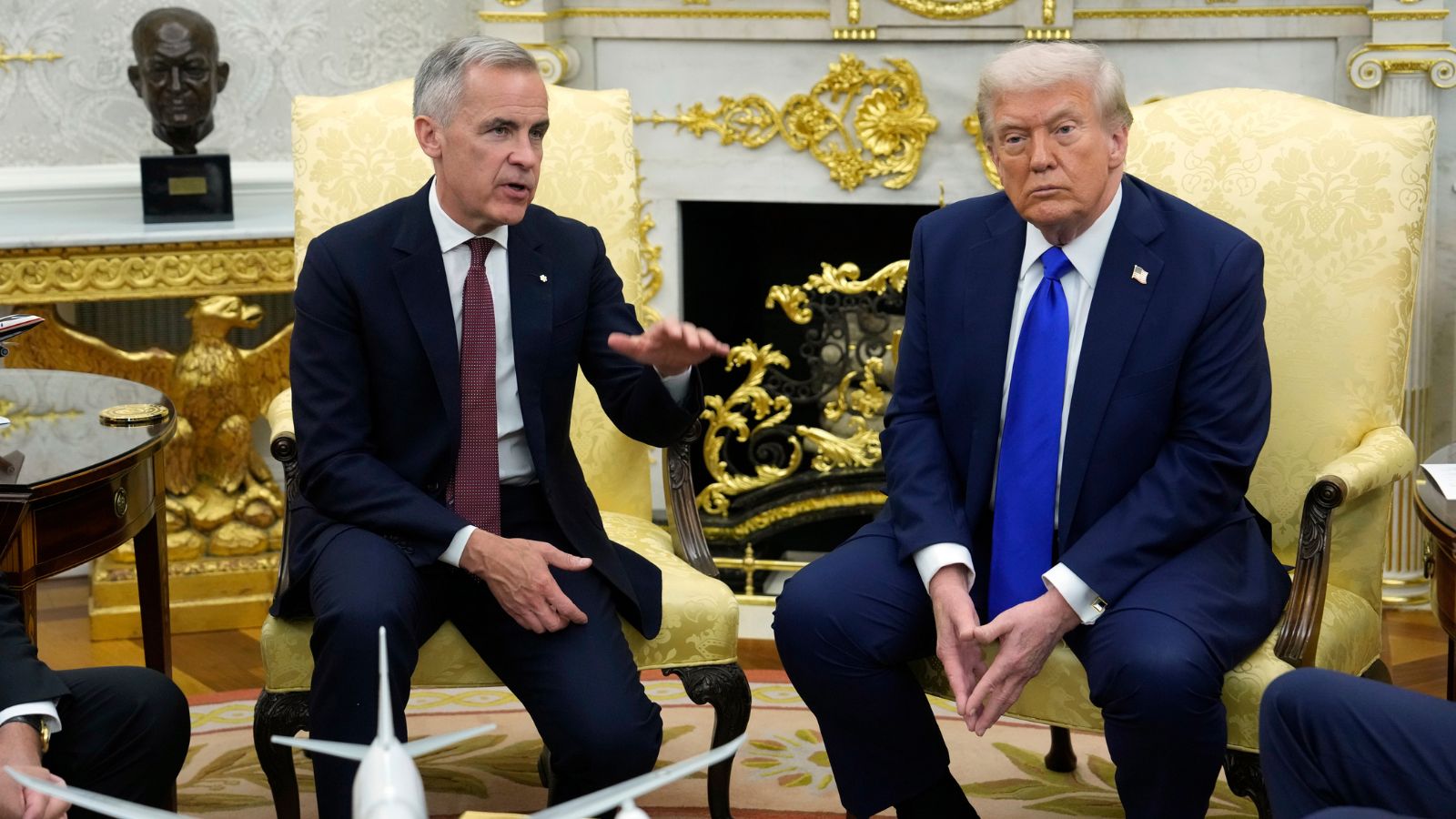
The border between the United States and Canada just got a whole lot more expensive. As of 12:01 a.m. EDT this Saturday, the U.S. government officially slapped a 50% tariff on $20 billion worth of Canadian goods. If you’re a business owner, a consumer, or just someone trying to understand why your favorite imported hockey stick or bottle of liquor is about to get significantly pricier, this isn’t just noise. It’s a seismic shift in how our two nations do business.
Don’t let the dry headlines fool you. This is the breakdown of a decades-long, largely stable trade relationship. Negotiations in Washington failed after a frantic, last-minute scramble to find common ground. Now, Prime Minister Mark Carney has promised "dollar for dollar" retaliation. We are officially in the middle of a trade war with our largest neighbor. Building on this theme, you can also read: Stop Blaming the Weather and Taxes for Why Young Brits Are Fleeing.
Why the Deal Collapsed
You’ve probably heard about the "last-minute walk-backs." The official line from U.S. Trade Representative Jamieson Greer is that Canada suddenly changed its tune after a deal seemed within reach. Ottawa sees it differently. Prime Minister Carney publicly labeled the late-stage U.S. demands as "unfair" and "uneconomic."
Basically, the two sides were trading in different currencies. The U.S. was pushing hard to protect domestic jobs and force manufacturing back stateside. Canada was desperate for relief from existing Section 232 tariffs on steel, aluminum, autos, and lumber. When the U.S. refused to budge on those core concerns, the entire house of cards fell over. Experts at CNBC have shared their thoughts on this trend.
It’s worth looking at what was on the table. The draft deal reportedly included lowering tariffs on Canadian steel and aluminum to 25% and cutting duties on Canadian autos to 15%. In exchange, Canada was expected to drop its retaliatory measures against the U.S. and open up its tightly controlled dairy market. When those final pieces didn't click into place, the political fallout took over.
What This Means for Your Wallet
If you’re looking for a concrete impact, start with the list of affected goods. This isn't just about massive industrial components. It hits a wide array of products, including:
- Construction materials: Plywood and cement are squarely in the crosshairs.
- Consumer goods: Everything from hockey sticks to specific electrical equipment.
- Alcohol: Wine, beer, and spirits are major targets, largely due to long-standing U.S. complaints about Canadian provincial restrictions on selling American alcohol.
- Medical supplies: Even items as niche as tongue depressors are getting hit.
Retailers are already crunching the numbers. When a 50% tariff lands on a product, the importer almost never absorbs that entire cost. You’re going to see those prices shift to the shelf. If you’re buying Canadian-made lumber for a renovation or a premium Canadian craft spirit, expect a sticker shock in the coming weeks.
The Bigger Picture
This move by the Trump administration invokes the rarely used Section 338 of the Tariff Act of 1930. It’s a blunt instrument designed to punish countries deemed to have discriminatory trade practices. By hitting roughly 5% of all Canadian exports to the U.S., the White House is making a statement that the old, cooperative alliance is being rewritten in real-time.
For years, we’ve relied on the US-Mexico-Canada Agreement (USMCA) to keep things predictable. These new tariffs apply regardless of whether goods would typically qualify for preferential treatment under that pact. It’s a direct bypass of the existing rules.
Canada’s reaction—vowing to hit back with equal force—means this is going to get messy. We aren’t just talking about a temporary dispute. Canadian leadership has been vocal about the need to diversify away from the U.S. market, which currently accounts for about 70% of their exports. They’re realizing that relying on a single, increasingly volatile partner is a massive vulnerability.
What Happens Next
There are no more scheduled talks. That’s the reality on the ground right now. Businesses that depend on cross-border supply chains are in a state of high alert. If you’re a logistics manager or an investor in North American manufacturing, you need to prepare for a period of extreme uncertainty.
The political pressure is mounting on both sides. In the U.S., consumers are already frustrated by the cost of living. Hitting imports with 50% taxes is a risky play ahead of the midterm elections, as it invites the very inflation the administration claims to be fighting.
If you own a business that trades across the border, your first step should be an audit of your supply chain. Identify which of your inputs are on the affected list and look for domestic alternatives or secondary suppliers outside of Canada. Don’t wait for another round of headlines. The policy is live, the tariffs are in effect, and the diplomatic window for a quick fix is currently slammed shut. Plan for a long haul.