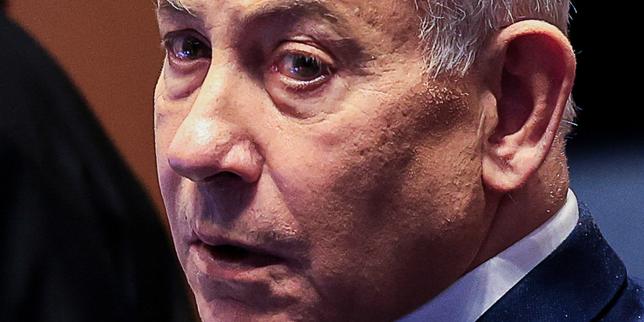
The political theater surrounding international diplomacy just hit a new high. New York City Mayor Zohran Mamdani recently made headlines after confirming that his administration was actively consulting with city legal experts to explore arresting Israeli Prime Minister Benjamin Netanyahu during his expected visit to the UN General Assembly. The rationale? The International Criminal Court (ICC) issued an arrest warrant for Netanyahu in 2024 over alleged war crimes in Gaza.
President Donald Trump shut the idea down almost instantly on Truth Social, declaring in no uncertain terms that Netanyahu "will not be arrested, in any way, shape, or form" on American soil.
Political posturing aside, can a mayor actually instruct local police to detain a foreign head of government? The short answer is no. Beyond the headlines and partisan grandstanding, federal law, international treaties, and constitutional precedent make such an arrest legally impossible.
Federal Supremacy and the US Stance on the International Criminal Court
To understand why this scenario is dead on arrival, you have to look at how federal authority operates in the United States. Foreign policy is strictly the jurisdiction of the federal government, not local municipalities. Under the U.S. Constitution's Supremacy Clause, federal law overrides state and local actions whenever the two clash.
When it comes to the ICC, American federal law is unequivocally clear. The United States is not a party to the Rome Statute, the treaty that established the court. Congress passed the American Service-Members' Protection Act (ASPA)—often colloquially dubbed the "Hague Invasion Act"—which explicitly limits U.S. government cooperation with the ICC.
Crucially, ASPA prohibits state and local agencies, including the New York City Police Department, from assisting or cooperating with the ICC. If a local mayor ordered municipal officers to execute an ICC warrant, it wouldn't just breach protocol; it would violate federal statute.
Head of State Immunity and UN Treaties
Even if ASPA didn't exist, foreign leaders traveling on official business enjoy powerful legal protections that local authorities cannot unilaterally strip away.
Head of State Immunity
Under customary international law and U.S. federal common law, sitting heads of state and foreign heads of government possess diplomatic immunity. This principle ensures that sovereign states can engage in diplomacy without fear that foreign jurisdictions will arrest their leaders. The federal executive branch holds sole authority to recognize foreign governments and decide who receives diplomatic immunity within U.S. borders. The Mayor of New York has zero legal standing to override diplomatic immunity granted or recognized by Washington.
The UN Headquarters Agreement
Netanyahu travels to New York primarily to address the United Nations General Assembly. Under the 1947 Headquarters Agreement between the United States and the UN, the host nation is legally bound to allow representatives of member states unimpeded access to the UN district.
The agreement explicitly mandates that local U.S. authorities shall not impose impediments to the transit of foreign officials traveling to or from UN headquarters. Attempting to arrest a foreign leader en route to a UN session would place the U.S. government in direct violation of an international treaty, forcing federal law enforcement or diplomatic security service agents to step in immediately to prevent local intervention.
Why Local Threats Miss the Mark Realistically
Local political rhetoric often ignores the logistical reality of diplomatic security. When a high-profile foreign leader lands in New York City, security detail isn't managed solely by local beat cops.
The U.S. Secret Service, the State Department’s Diplomatic Security Service, and federal law enforcement agency assets manage primary movement and protection. Local police departments act in a supportive role alongside federal agencies.
If a city administration directed local police to carry out an arrest:
- Federal law enforcement would immediately block the action.
- The Department of Justice would quickly obtain a federal court injunction halting any municipal warrant execution.
- The state governor or federal courts would override local orders to avoid an international diplomatic crisis.
In short, municipal police lack both the legal jurisdiction and physical operational leverage to detain a foreign leader protected by federal diplomatic security teams.
What This Means for Local and National Politics
While an arrest will not happen, the public back-and-forth serves a distinct purpose for everyone involved.
For municipal leadership, signaling support for ICC mandates plays directly to progressive voter bases demanding stronger stances on human rights and foreign policy. For the Trump administration, swiftly blocking local threats reinforces federal primacy and demonstrates firm backing for key international allies.
If you are tracking international policy or legal developments, keep this rule of thumb in mind: municipal officials frequently voice opinions on global conflicts, but municipal power stops strictly at local civil administration. When foreign leaders visit U.S. soil under official diplomatic auspices, federal law remains the only authority that matters.