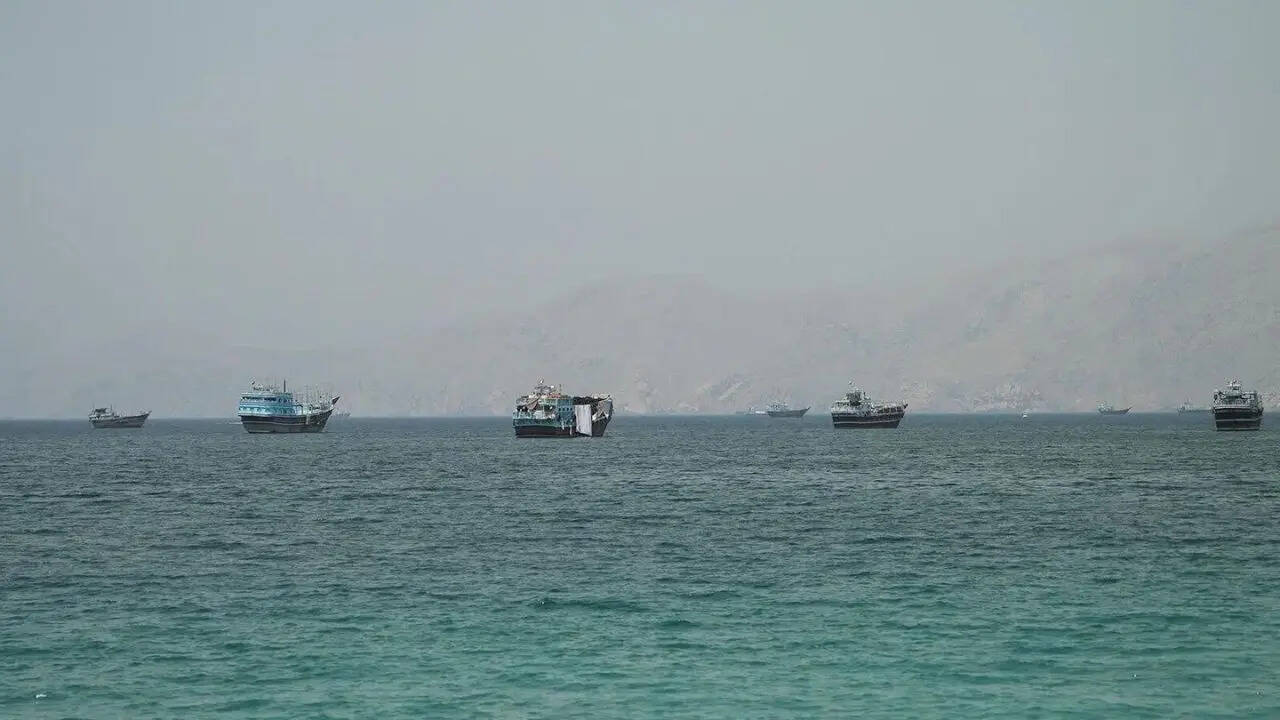
The air inside the commercial vessel was thick with the smell of heavy diesel and sudden, paralyzing panic. Off the jagged coast of Oman, the crew of a merchant tanker did what seafarers have done for centuries: they watched the horizon. But they weren't looking for weather. They were looking for the small, blistering-fast attack boats of Iran’s Revolutionary Guard. When the strike came, it wasn't a metaphor. It was metal tearing through metal, a plume of smoke blooming over the water, and the sudden realization that a fragile piece of diplomatic paper signed weeks ago had just been reduced to ash.
By sunrise, the illusion of peace in the Persian Gulf was gone. If you liked this piece, you should read: this related article.
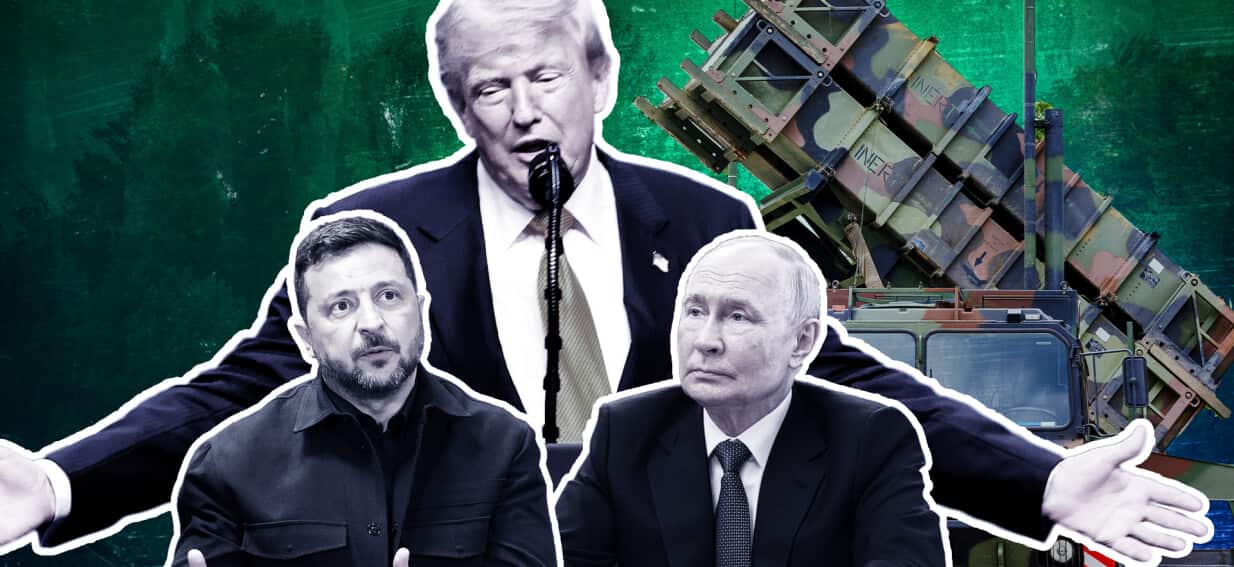
In Washington, the decision had already been made. The temporary truce—an interim deal designed to give a bleeding region a moment to breathe—was declared dead. President Donald Trump didn't mince words, stating plainly that the attacks on commercial shipping meant the ceasefire was over. What followed was not a measured diplomatic protest, but a cascade of fire. American warplanes and missiles hammered roughly 90 targets along the Iranian coastline. Port facilities, air defense systems, and the very rail bridges that knit the country's logistics together were engulfed in flames. From the nuclear hub of Bushehr to the southern ports of Bandar Abbas and Chabahar, the night sky turned a violent, artificial orange.
But violence in this part of the world never stays contained within its coordinates. For another perspective on this development, see the recent coverage from Associated Press.
Imagine standing on a balcony in Kuwait City or Manama, Bahrain, in the pre-dawn hours. You expect the familiar hum of the air conditioner or the distant murmur of early traffic. Instead, you hear a sound that hollows out the stomach: the rising, rhythmic wail of missile alert sirens.
Iran’s response to the American bombardment was swift and expansive. Tehran didn't just aim at the warships in the open sea; they unleashed a volley of ballistic missiles and suicide drones directly at three Gulf neighbors hosting American forces: Bahrain, Kuwait, and Qatar. In an instant, the abstract geopolitical chess match became terrifyingly real for millions of civilians sleeping in the shadow of the escalation.
Kuwait’s military scrambled, its air defense systems lighting up the dark to actively intercept incoming threats. Shrapnel rained down on power lines, cutting electricity and leaving neighborhoods in darkness. In Bahrain, home to the U.S. Navy’s Fifth Fleet, the sirens reminded everyone that proximity to power is also proximity to a bullseye.
The rhetoric out of Tehran matched the heat of the weaponry. Ebrahim Rezaei, the spokesman for Iran's Parliament National Security Committee, took to social media to deliver an ominous promise to the West. He invoked the legacy of the late Supreme Leader, stating that Iranians had been taught never to fear America. His words were raw, stripped of diplomatic ambiguity: "Wait for the hard slap from Iranians."
This is the hidden cost of a global trade artery. The Strait of Hormuz is a narrow, treacherous choke point through which a fifth of the world’s petroleum and natural gas must squeeze. To the global economy, it is a line on a spreadsheet that dictates the price of a gallon of gas or the stability of a mutual fund. To the people who live along its edges, it is a volatile highway where a single miscalculation can trigger a rain of iron.
The core of the dispute feels deceptively bureaucratic. Under the short-lived interim agreement, ships were supposed to pass through the strait unhindered. But Iran insisted on an "Iranian arrangement," demanding the right to dictate routes and eventually levy fees on transit. The ships targeted by Iranian forces on Tuesday had chosen a path closer to Oman, defying Tehran's mandates. To the hardliners running Iran's military apparatus, that defiance required an answer. To the White House, the Iranian reaction required a devastating counter-response.
So the pendulum swings, heavier and faster with each pass.
In the capital cities of the Gulf, leadership watches the horizon with a grim familiarity. They know that when superpowers and regional titans lock horns, the small states on the periphery pay the tax in anxiety, disrupted lives, and shattered glass. The diplomatic channels that were buzzing with hope just days ago have gone quiet, replaced by the mechanical roar of scramjets and the dull thud of interceptors meeting their marks over the desert.
There is no neat resolution waiting on the next page. The interim deal is gone, replaced by an open-ended confrontation where the next move is dictated not by diplomats at a polished table, but by commanders looking at radar screens. The region holds its breath, waiting to see if the "hard slap" promised by Tehran will break what remains of the Middle East's fragile equilibrium, or if the sheer weight of the American strikes will force a pause. Until then, the sirens in the Gulf remain a stark reminder of how quickly the world can transition from a uneasy peace to the brink of a wildfire.