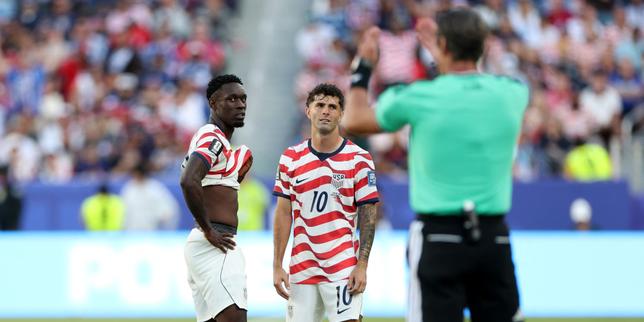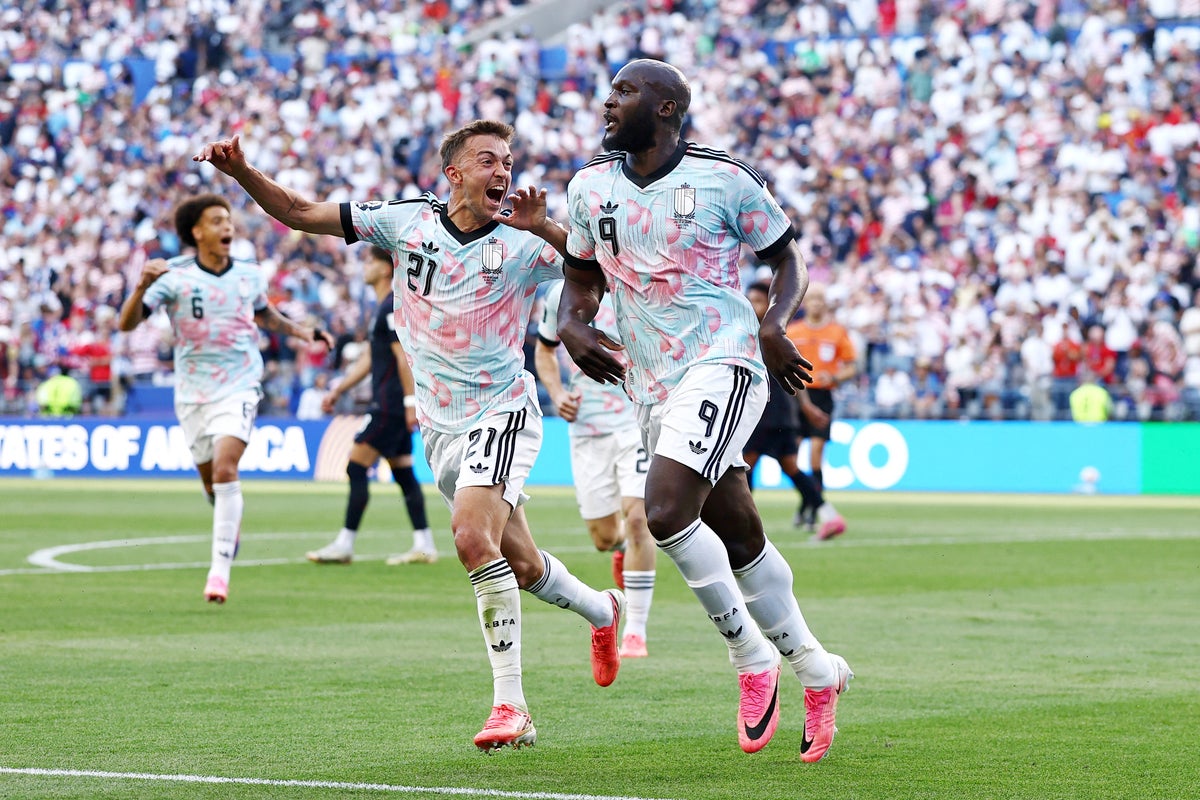
The rain in Brussels felt heavy, the kind of damp cold that creeps into your bones and stays there. In the stands, a sea of red jerseys swayed, a collective heartbeat thumping to the rhythm of a chant that grew louder with every passing minute. On the pitch, eleven men in white jerseys were chasing shadows. They pantals, lungs burning, their boots slipping on the slick grass.
Every touch of the ball by the Belgian midfielders was sharp, deliberate, surgical. Every response from the American side felt frantic, a desperate attempt to plug a dam that was already bursting. When the final whistle blew, the scoreboard glared back with a brutal finality. A thrashing.
Losses happen in sports. They are part of the contract we sign as fans. We risk the heartbreak for the fleeting high of victory. But this was different. As the players walked off the field, heads bowed, the conversation instantly shifted away from tactics, formations, and missed tackles. It vaulted across the Atlantic, landing squarely in the chaotic theater of American politics.
Suddenly, a game of football wasn’t just a game anymore. It was a referendum.
The Weight of the Jersey
To understand how a sporting defeat turns into a national political weapon, you have to look at what a national team actually represents. When athletes put on a jersey bearing their country’s crest, they carry more than just their personal ambitions. They carry a narrative. They are the living, breathing embodiment of a nation's health, its culture, and its current standing in the world.
For decades, American soccer had been building toward something. It was always the sport of tomorrow, the rising giant waiting to wake up. Fans invested years of hope into the idea that the American spirit—that relentless, gritty, never-say-die attitude—would eventually conquer the world's game.
Then came the whistle.
The defeat to Belgium was comprehensive. It exposed a gulf in class, a reminder that desire alone cannot overcome systemic, beautifully executed excellence. In the immediate aftermath, the collective grief of the fanbase didn't dissolve into standard sports analysis. It curdled into cynicism.
Consider what happens next: in an era where everything is polarized, a sporting disaster becomes a blank canvas for political grievance. The phrase "The Trump effect" began to ripple through social media and news commentary. It wasn't about the president lace-up boots or missing a penalty. It was about the atmospheric pressure of a nation under specific leadership.
The Weaponization of the Scoreboard
Critics of the administration seized the moment with a predatory swiftness. To them, the disorganized, outmatched display on the European pitch was a perfect metaphor for an administration they viewed as chaotic and isolated on the global stage.
The logic, however tenuous, was simple. If the leader of a nation preaches a doctrine of unilateral dominance, then every national failure becomes proof that the doctrine is failing. The mockery from domestic critics wasn't directed at the young men who had run themselves into the ground. It was aimed at the man in the Oval Office.
"Is this what winning looks like?" asked one viral post, echoing the president's famous campaign promise that Americans would tire of winning.
The irony was thick enough to choke on. Soccer, a sport long dismissed by traditionalist American political factions as a foreign import, was suddenly the centerpiece of a domestic political brawl. The people who never watched the sport were using it as a cudgel. The people who loved the sport were left mourning a loss while watching their passion be disassembled for political spare parts.
Shadows on the Pitch
Imagine standing on that field as a twenty-something athlete. You have dedicated your entire life to this moment. Your diet, your sleep, your relationships—everything has been sacrificed for the right to represent your country. You lose a match to a world-class opponent. It hurts. It guts you.
Then you open your phone in the locker room.
You expect to see analysis of your defensive positioning or critiques of the manager's substitutions. Instead, you see your heartbreak being used as a punchline in a cultural civil war. You see your effort reduced to a political talking point.
The human element gets erased so quickly in the digital age. Those eleven players weren't thinking about tariffs, tweets, or press briefings when they were tracking back to defend a corner. They were thinking about the ball. They were thinking about their families in the stands. They were thinking about the crushing weight of disappointment.
But the real problem lies elsewhere: the internet demands a narrative, and a simple sports story doesn't generate enough clicks. A story about geopolitical decline, mirrored in a sports stadium, does.
The View from the Other Side
Across the ocean, the Belgian fans didn't care about American politics. They celebrated a magnificent performance by a golden generation of talent. For them, the match was about joy, about the beautiful chemistry of a team clicking into gear at the perfect moment.
There is a profound disconnect in how the world views these moments. To Europe, it was just a football match where the better team won. To America, it was a mirror.
Every pass that went astray became a symbol of a crumbling infrastructure. Every defensive lapse was a metaphor for a compromised border or a diplomatic misstep. The obsession with linking the president to the defeat revealed a deeper truth about the American psyche at the time: a total inability to separate the culture from the state.
When a society reaches a point where a soccer match cannot just be a soccer match, the fabric is wearing thin. We lose the capacity for simple empathy. We forget how to just watch a game and appreciate the human drama of effort and failure.
The rain eventually stopped in Brussels. The stadium emptied, leaving behind discarded cups, soggy flags, and the quiet echo of a crowd that had gone home happy. The American players boarded a bus in the dark, heading to an airport, flying back to a home country that was busy laughing at their expense, not because they had lost, but because of who was sitting in the White House.