The air smells of burnt wheat and old iron.
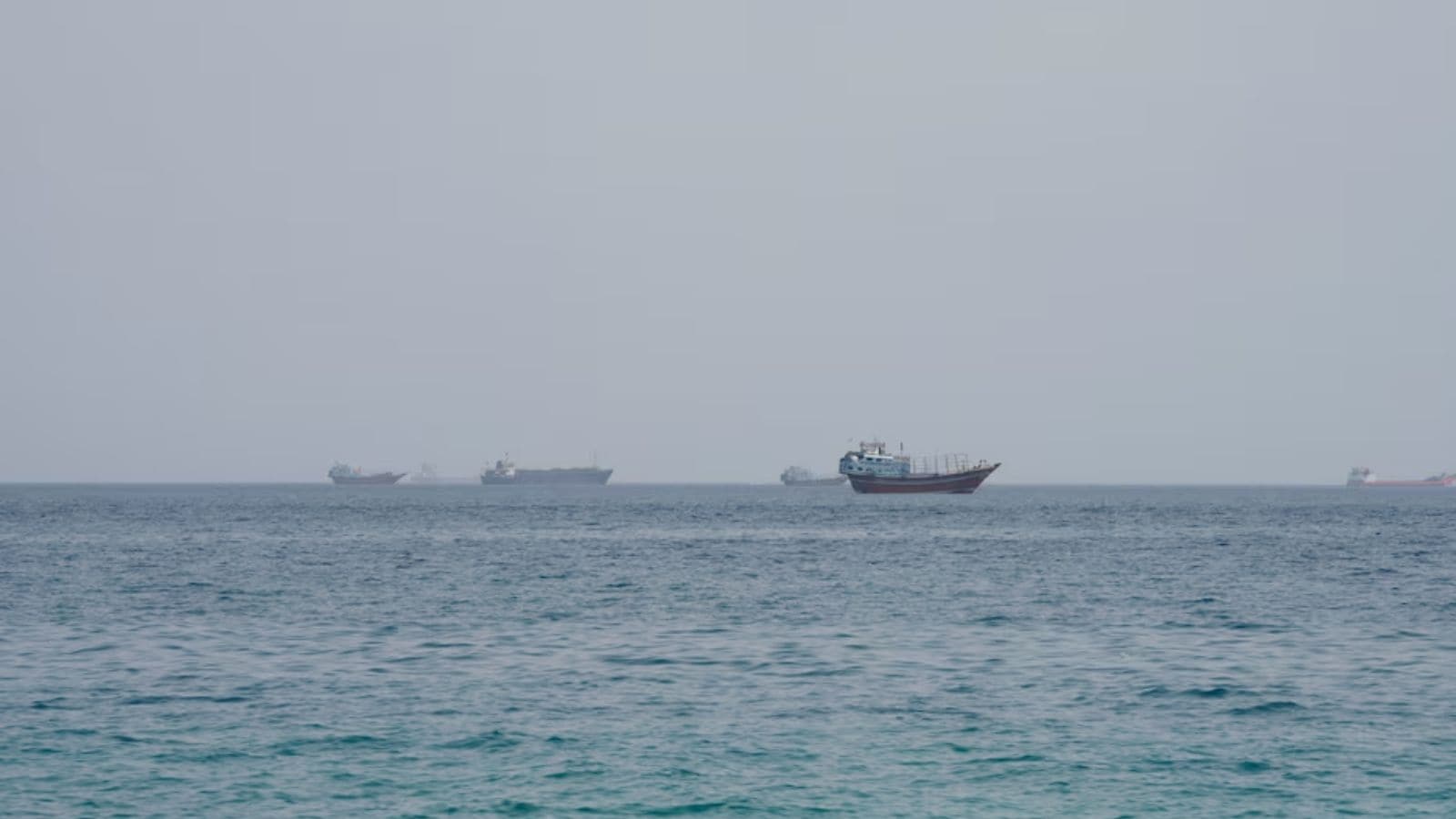
It is a heavy, clinging scent that refuses to wash out of wool or skin. Down by the water, where the Danube curls toward the Black Sea, the water normally mirrors the silver hulls of cargo ships waiting for their turn to feed the world. But the hulls are charred now. The cranes stand like broken skeletons against a sky bruised purple by smoke.
Overnight, the ports of Izmail and Odesa took the hits.
Military briefings call them infrastructure targets. Strategic nodes. Logistics arteries. These are clean words used to describe messy, terrifying realities. They sanitize the sound of air raid sirens wailing through apartment blocks at three in the morning. They hide the flash of light that turns a bedroom window into a blizzard of glass.
I remember what it feels like to stand in a hallway while the walls vibrate. You hold your breath. You count the seconds between the whistle and the impact, praying the math comes out in your favor. Millions of people along this coast spent another night doing that exact math.
To understand why these specific ports matter, you have to look past the military maps and look at a loaf of bread.
Grain is not just a commodity here. It is a pulse. For months, the movement of wheat, corn, and barley out of Odesa and Izmail has been a delicate, high-stakes game of survival for millions of people thousands of miles away. When a silo burns in Izmail, a bakery door stays closed in Cairo or Nairobi. The shockwaves of these overnight strikes do not stop at the water's edge. They travel across continents, quietly tightening knots in stomachs from the Middle East to East Africa.
Consider what happens when the breadbasket of Europe is treated as a shooting gallery.
The ships do not sail. The grain rots in the elevators or burns in the dust. Prices spike on distant exchanges. Families who already struggle to afford dinner find that the math no longer works for them either. This is the invisible chain reaction of war. A missile hits a concrete pier in Odesa, and a mother in a completely different hemisphere waters down a pot of porridge.
There is a strange, quiet dignity in how people here respond to the ashes.
By sunrise, street sweepers are already out. They push broken glass into neat piles. Municipal crews patch power lines before the afternoon chill sets in. Dockworkers, their faces smudged with soot, look at twisted metal beams and immediately start figuring out how to weld them back together. It is stubborn. It is defiant. It is also exhausting.
You cannot bomb a people's refusal to surrender out of them. History teaches us this repeatedly, yet strategists sitting in distant rooms keep trying anyway. They think destruction breaks morale. Instead, it hardens resolve into something cold and sharp.
The drones came in waves. Witnesses describe the sound as low, angry lawnmowers buzzing through the dark before the blinding white flash of the explosions. Air defenses lit up the cloud cover like a violent thunderstorm that refused to break. When the all-clear finally sounded, the fires were still roaring.
Firefighters fought the blazes for hours, knowing full well that secondary strikes sometimes target the responders. That takes a specific kind of courage. It is not the cinematic bravery of a battlefield charge. It is the quiet courage of holding a hose while the sky overhead remains hostile.
We talk endlessly about geopolitics, trade routes, and deterrence. We measure the conflict in territory gained or lost by meters. But the true ledger of this war is written in sleepless nights, burned grain, and the resilience of ordinary people who just want to do their jobs and watch their children grow up in peace.
The smoke over Izmail is thinning now, drifting out toward the open sea where the horizon remains uncertain. Another dawn has broken over a wounded coast. The work begins again. Not because the danger has passed, but because stopping is simply not an option.