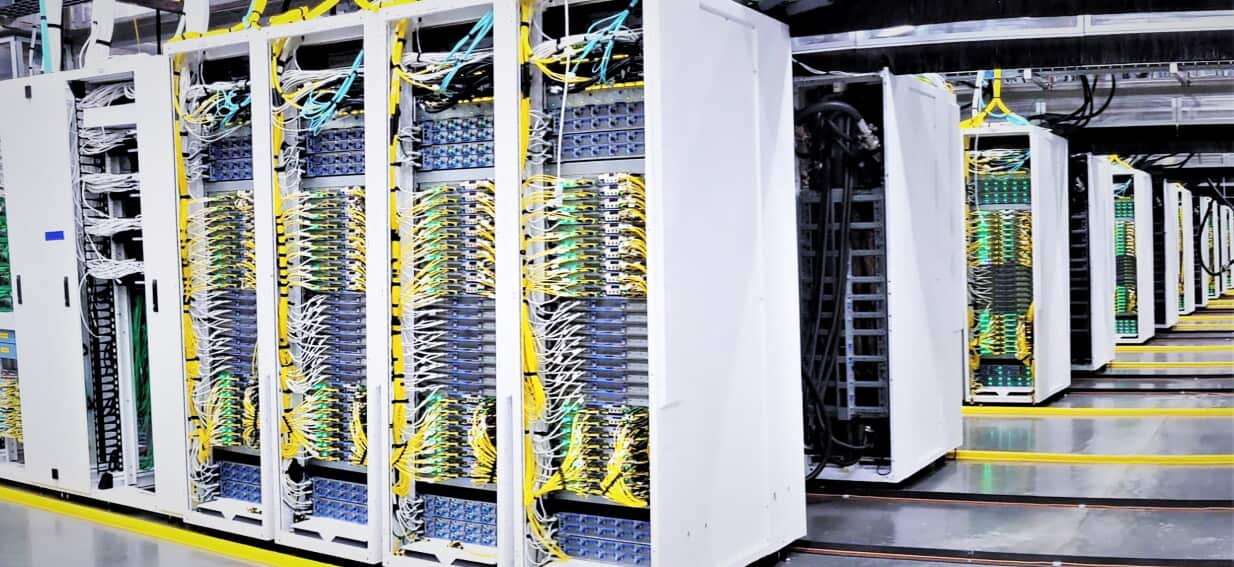
The hum is what gets you first. It is not a roar. It is not the sharp, aggressive crack of a combustion engine or the screech of iron on iron. It is a low, vibrational drone, a digital cicada song that burrows into the soft tissue of your mind and refuses to leave. If you stand outside a modern data center at three o'clock in the morning, that hum is the only evidence that billions of invisible conversations are happening right behind those windowless concrete walls. Your emails. Your bank transfers. The video stream of a sleeping baby three states away.
For decades, we accepted the hum as the price of admission to the modern world. We built our lives around the assumption that the cloud was a weightless, ethereal place. We forgot that the cloud is made of copper, steel, silicon, and millions of gallons of water.
Then, a quiet suburb in Southern California decided to pull the plug.
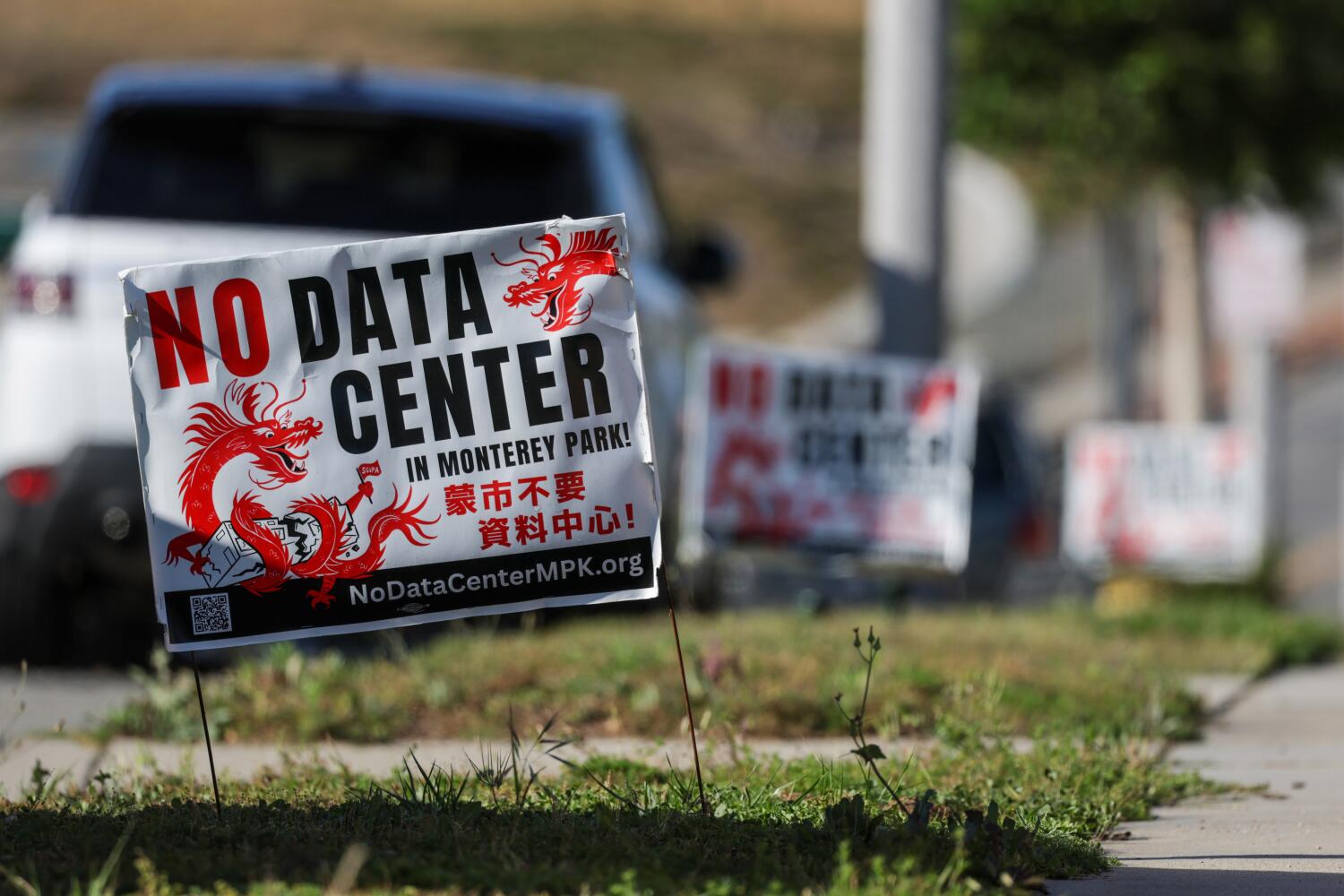
When the voters of Monterey Park went to the polls, they were not just casting ballots in a standard municipal election. They were drawing a line in the dirt. By passing a historic, sweeping ban on new data center developments, this small city became the first in the United States to outright reject the physical infrastructure of the internet. They looked at the promise of the digital gold rush, weighed it against the quiet rhythm of their neighborhoods, and said no.
To understand why a community would choose to disconnect from the most lucrative industry on the planet, you have to look past the spreadsheets. You have to stand on the sun-baked asphalt of Garvey Avenue and listen to what the residents were actually fighting for.
The Concrete Monoliths Next Door
Imagine a retired schoolteacher named Elena. For thirty years, she has lived in a modest stucco home in Monterey Park, tending to her small backyard citrus trees and watching the San Gabriel Mountains fade into the summer smog. Her world is defined by scale. The houses on her block are close together, their front porches welcoming the evening breeze.
Now, imagine a three-story windowless box the size of two football fields dropping onto the vacant commercial lot at the end of her street.
That is the reality driving the backlash. Data centers are the ghosts of the modern economy. They require massive plots of land, but they do not create bustling downtown districts. They do not bring foot traffic to local bakeries or generate a vibrant lunchtime rush for the family-owned pho spots that define Monterey Park’s rich cultural tapestry. They are architectural black holes. They consume space, emit heat, and offer nothing back to the streetscape but a security fence and security cameras.
But the real problem lies elsewhere. It is not just that these buildings are ugly. It is that they are incredibly thirsty, ravenous beasts.
A single mid-sized data center can consume hundreds of thousands of gallons of water every single day just to keep its thousands of server racks from melting down under the strain of processing artificial intelligence queries and cloud storage. In a state like California, where water is more precious than oil and droughts are a recurring ghost story, that consumption feels less like technological progress and more like an existential threat.
Consider what happens next when a city council faces a budget shortfall. A developer walks in with promises of millions of dollars in tax revenue. It sounds like an easy win. The servers do not send children to local schools. They do not clog the local roads with morning rush-hour traffic. On paper, a data center is the perfect corporate citizen. Clean. Quiet-ish. Rich.
But communities are not built on paper.
The Physics of the Cloud
We have been lied to about the internet. The tech industry spent two decades convincing us that our data exists in a magical, weightless dimension. We "upload" things. We store them in the "cloud."
It is a beautiful illusion.
In reality, every single time you ask an AI chatbot to write a joke, or every time you scroll through a video feed, a physical machine somewhere in the world spins up, generates heat, and draws electricity from a grid that is already struggling to cope with extreme weather. The cloud is a factory. It is a heavy industrial plant that processes data instead of steel.
When Monterey Park residents began researching the realities of these facilities, the illusion shattered. They discovered that the cooling systems required to keep those servers running produce a constant, low-frequency noise that can travel for blocks, vibrating through the drywall of nearby homes. They learned about the massive diesel backup generators parked outside—hundreds of them—designed to kick on during a power outage to keep the internet from blinking out, spewing particulate matter into the Southern California air.
The conflict in Monterey Park was not a case of classic NIMBYism, where residents simply want a necessary utility built somewhere else. It was a profound philosophical disagreement about what a community is actually for. Is a city a place for people to live, raise families, and walk down tree-lined streets? Or is it a convenient utility node for the global digital economy?
The voters chose the people.
The Domino Effect
The tech industry is watching this small California city with a growing sense of dread. For years, tech giants have built their digital fortresses wherever they could find cheap land and plenty of power—Northern Virginia, the deserts of Arizona, the plains of Iowa. But as the demand for data sky-rockets due to the explosion of artificial intelligence, companies are desperate to build closer to major population centers to reduce latency. They want the servers closer to your phone so your videos load a millisecond faster.
They need places like Monterey Park.
But Monterey Park has provided a blueprint for resistance. The victory here has sent a shockwave through municipal governments across the country. It proved that a dedicated group of neighbors, armed with nothing but public records and a shared love for their town, can stand up to the momentum of multi-billion-dollar tech conglomerates and win.
This is not a confusing or uncertain trend. It is a structural shift in how regular people view tech. The awe is gone. The blind trust has evaporated. In its place is a cold, calculated assessment of costs and benefits.
What does a city lose when it sells its soul to the servers? It loses its identity. It trades the unpredictable, messy, beautiful life of a neighborhood for the sterile efficiency of a server farm. It trades the laughter of children playing in a park for the relentless, unchanging drone of cooling fans.
The Final Chord
As the sun sets over Monterey Park, the neon signs along Atlantic Boulevard flicker to life. Families gather at restaurants, friends argue over politics on street corners, and the normal, beautiful friction of human life continues uninterrupted.
A few miles away, the digital world is spinning at a frantic, terrifying speed. Terabytes of data are moving through the earth, heating up the air, and demanding more space, more water, more power. The machine never sleeps. It always wants more.
But for now, on this small patch of California soil, the air remains clear. The streets belong to the people who walk them. And if you stand very still in the evening quiet, the only thing you will hear is the wind moving through the leaves of Elena's citrus trees.
No hum. Just home.