The coffee in the financial district of Seoul always tastes like battery acid at four in the morning, but on this particular Tuesday, nobody noticed.
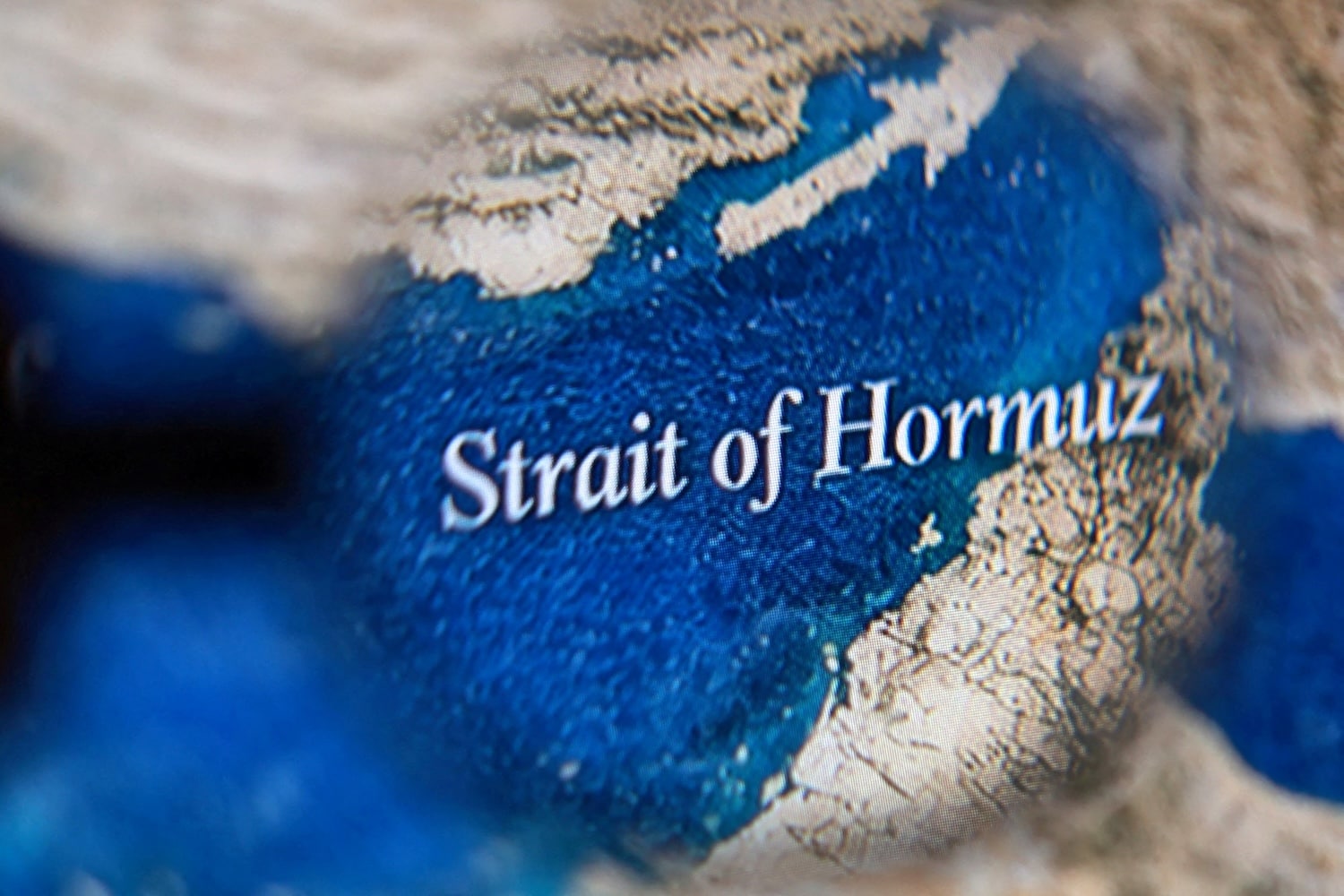
Min-woo Kim sat in front of six monitors, the blue light etching deep shadows into the dark circles under his eyes. For thirty-six months, those screens had delivered nothing but a slow, bleeding anxiety. The war between Iran and its regional coalition had dragged on so long that it felt less like a news event and more like a permanent distortion of gravity. It choked the straits. It sent insurance premiums for oil tankers into the stratosphere. For a country like South Korea, which imports nearly every drop of petroleum it burns to keep its semiconductor factories running, the conflict wasn't a geopolitical abstraction. It was a noose.
Then, the red flash hit the terminal.
It wasn't a rumor this time. The formal peace treaty had been signed. The blockade was lifting.
Within ninety seconds, the trading floor erupted into a sound that Min-woo hadn't heard since before the pandemic—a raw, chaotic roar of human relief translating instantly into billions of dollars of capital shifting tracks. The KOSPI index didn't just climb; it leaped. Across the sea in Tokyo, the Nikkei 225 followed suit, tearing through resistance levels like wet tissue paper.
We often talk about markets as if they are cold, calculating supercomputers running on algorithms and math. They aren't. They are massive, interconnected webs of human fear and hope. What we witnessed in the early hours of that Tuesday morning wasn't just a statistical surge. It was the sudden, violent release of three years of collective breath.
The Invisible Pipeline to the Assembly Line
To understand why a peace treaty signed thousands of miles away in the Middle East sends an electric shock through an electronics plant in Suwon or an automotive line in Nagoya, you have to look past the ticker symbols.
Consider the modern microchip. It is arguably the most complex object humanity manufactures, requiring cleanrooms sterile enough to make a hospital look like a junkyard. But these cleanrooms run on immense amounts of stable, uninterrupted power. Japan and South Korea sit at the very end of a terrifyingly long supply chain. They possess almost no domestic fossil fuel reserves. When oil prices spike because a drone strikes a facility near the Persian Gulf, the cost of manufacturing a single silicon wafer inches upward.
When those costs rise month after month, companies make hard choices. They delay expanding a factory. They freeze hiring. They scale back research into the next generation of artificial intelligence hardware.
The end of the war dismantled that entire risk structure in a single trading session.
Refine this down to a single entity: the shipping container. During the height of the conflict, maritime insurance companies were charging "war risk" premiums that turned standard cargo transport into a luxury expense. Ship captains were forced to take detour routes around the Cape of Good Hope, adding weeks to transit times and burning millions of additional gallons of fuel. By dismantling the wartime blockade, the treaty effectively handed global commerce its calendar back. Time stopped being an enemy.
When Fear Becomes Expensive
For three years, the dominant strategy in Asian markets was defensive crouch. Investors hoarded cash, parked money in safe-haven government bonds, and treated any sign of economic optimism with deep suspicion. It was an environment where survival was victory.
But defensive investing carries a massive, unspoken cost. It is the cost of the unbuilt laboratory, the unhired engineer, the project left on the drawing board because the future felt too volatile to bet on.
The market surge on the news of peace was the sound of that hoarded capital breaking free. In Tokyo, the buying frenzy wasn't led by speculative tech stocks or volatile crypto assets; it was anchored by the giants of heavy industry—shipbuilders, automotive conglomerates, and chemical manufacturers. These are the businesses that live and die by the literal cost of moving heavy things across water.
When the cost of energy drops, these giants don't just save money; they gain clarity. Suddenly, a five-year plan actually makes sense to write down on paper.
The suddenness of the rebound caught many by surprise, triggering what traders call a short squeeze—a mathematical cascade where investors who had bet on the markets continuing to fall are forced to buy back shares at a loss to protect themselves, driving prices even higher. But beneath the technical mechanics of the squeeze lay a deeper psychological pivot. The cloud had moved. The horizon was visible again.
The Human Weight of the Ticker
By the time the sun began to hit the glass skyscrapers of Tokyo's Otemachi district, the initial madness had stabilized into a steady, heavy volume of buying.
In the cafeteria of a major Japanese brokerage firm, two analysts stood by the window, watching the commuter crowds pour out of the subway station below. For years, their jobs had consisted of quantifying catastrophe. They had written reports on what would happen if the straits were closed entirely, reports on the breakdown of global logistics, reports on inflation metrics that read like horror stories.
One turned to the other and noted that for the first time in a thousand days, they didn't have to factor a missile strike into their morning forecast.
That is the true nature of a market surge. It isn't about numbers on a screen getting larger, nor is it about the wealthy getting wealthier in the vacuum of a trading floor. It is about the removal of a systemic weight that presses down on every level of society. When energy security stabilizes, the local logistics firm can afford to keep its drivers employed. The small technology startup can secure the funding it needs to survive its first year. The cost of a grocery basket stops climbing.
The charts will record Tuesday as a historic day of percentage gains, a statistical anomaly to be studied by future economists analyzing post-war recoveries. But for the people who actually move the gears of the global economy, it was something much simpler.
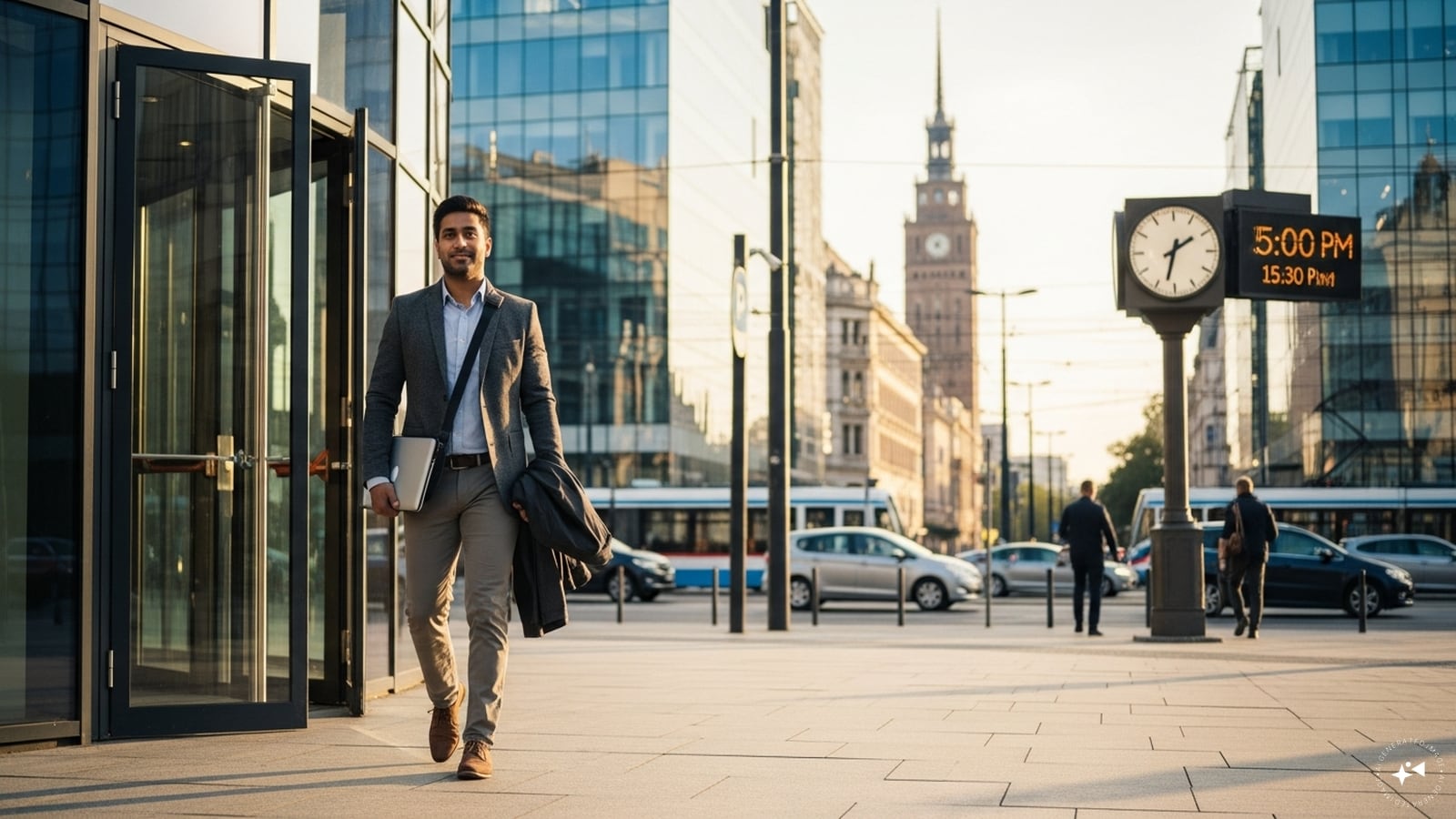
Min-woo Kim finally shut down his terminal at three in the afternoon, his shirt wrinkled and his coffee long since gone cold. Walking out into the cool Seoul air, he heard the distant, familiar hum of the city—the delivery trucks idling, the construction cranes pivoting against the skyline, the frantic, beautiful noise of a world that had decided, at long last, to start building things again.