Smoke does not always announce itself with a roar. Sometimes, it begins as a thin, greasy whisper near the engine room, tasting faintly of hot oil and copper before anyone on the upper decks has even finished tying their shoes.
Imagine standing on a crowded steel floor. The hum of the diesel engine vibrates through the soles of your feet—a steady, comforting rhythm that tells you the vessel is doing its job, pushing through the dark expanse of the Java Sea. You are carrying a plastic bag of belongings, maybe a gift for relatives waiting on the distant shore of Sulawesi, or perhaps just the weary belongings of a seasonal worker returning home. The air is thick with humidity, salt, and the close proximity of hundreds of other human lives.
Then, the smell changes.
The Vessel and the Weight
On a Tuesday night, the KM Express Cantika 78 was doing what thousands of vessels do across the sprawling archipelago of Indonesia every single day. It was bridging islands. It was carrying human cargo across deep water.
Manifest numbers are cold things. They are ink on paper, calculated in ticket booths and clipped clipboards. Two hundred and seventy-one. That is the official tally of souls recorded as the vessel shoved away from the dock. It sounds manageable until you picture them. Families sitting on woven mats in the lower common areas. Children sleeping against backpacks. Elders nursing tea from plastic thermoses.
We talk about maritime transit as infrastructure. We chart routes, calculate knot speeds, and measure gross tonnage. But when a ship leaves port, it is a floating village. Every square foot is packed with stories, anxieties, ambitions, and ordinary routines.
The trouble with open water is the distance between help and the horizon.
When Routine Shatters
The fire started somewhere in the belly of the ship.
According to survivors later pulled from the swells, the alarm didn't ring with a cinematic clatter. It spread through shouting. Crew members moving with sudden, frantic urgency. Passengers waking up to a haze that turned the overhead fluorescent lights into sickly yellow smears.
Panic is contagious, but confusion is faster.
In maritime emergencies, the first casualty is almost always orientation. Which way is up? Where are the life jackets stored under those wooden benches? Why is the corridor suddenly filling with a dark, suffocating fog that claws at the back of your throat?
Consider what happens next: The power fails. The familiar hum of the engine stutters, chokes, and dies. Darkness drops like a curtain, save for the flickering, erratic orange glow reflecting off the steel bulkheads. The heat builds with terrifying speed. Metal groans. Paint begins to blister and peel.
People moved toward the edges. They had to.
The Numbers and the Names
Statistics arrive later, neat and sterile in morning press briefings.
Five dead.
Forty-one missing.
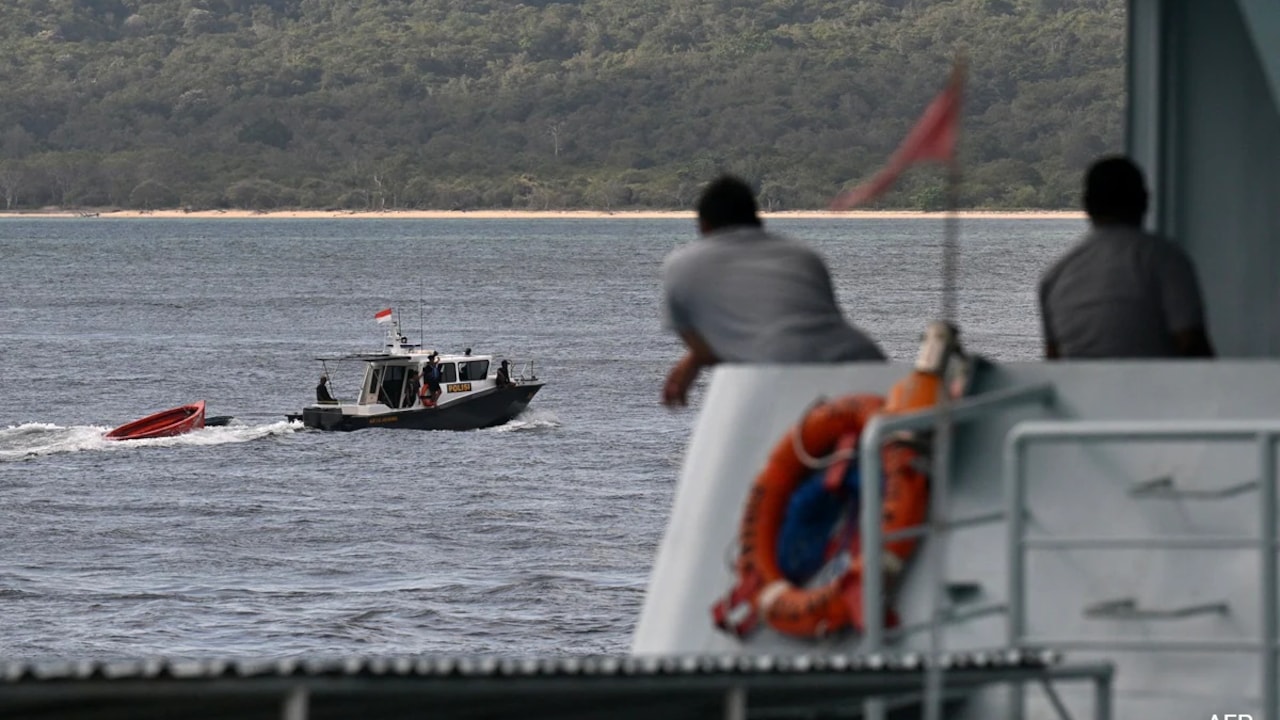
The remaining hundreds pulled from the water, shivering, salt-crusted, wrapped in foil blankets on the decks of passing rescue tugs and local fishing boats.
Numbers are designed to summarize tragedy so our minds can file it away. Five dead sounds like a statistic until you realize it means five empty chairs at breakfast tables across the region. Forty-one missing sounds like a bureaucratic discrepancy until you imagine families staring at grainy smartphone videos taken at the dock just hours before departure, wondering if their loved one was on the port side or the starboard side when the flames took over.
Search and rescue operations in these waters are staggering logistical puzzles. The Java Sea is vast, unforgiving, and quick to swallow evidence. Currents shift like invisible rivers. Helicopters sweep low over whitecaps, their rotors beating the humid air into a frenzy, scanning every square mile of grey-blue water for a bobbing orange vest, a raised hand, a sign of life.
Every hour that passes dims the math of survival. Hypothermia. Exhaustion. Dehydration. The sheer physical toll of treading water while waiting for a rescue vessel that feels perpetually ten minutes too far away.
The Architecture of Risk
Why does this keep happening?
It is a question asked every time the smoke clears and the official inquiries begin. Indonesia is a nation stitched together by water—over seventeen thousand islands dependent on ferries, wooden boats, and commercial liners to move people, food, and medicine. Safety regulations exist on paper, heavy binders gathering dust in harbor offices. But enforcement in remote ports is often an informal negotiation between overworked inspectors and operators balancing razor-thin profit margins.
Overcrowding is an invisible passenger on almost every voyage. Life rafts are checked once a year, or perhaps only when a bureaucrat remembers to look. Crew training is tested under calm conditions, rarely under the terrifying reality of a midnight fire with the deck listing to port and passengers screaming over the roar of burning fuel.
We rely on these ships because we have no choice. The alternative is staying put, isolated, cut off from work, family, and survival. And so passengers board, trusting the invisible machinery of commerce and regulation to bring them safely across the dark water.
The Aftermath on the Shore
On the docks of Kupang and surrounding ports, families gathered as the rescue boats limped back.
This is where the true weight of the disaster lives. Not in the courtroom summaries or the preliminary coast guard reports, but in the silence of people holding laminated identification cards, staring out at a blank horizon. A mother clutching a child’s pink sneaker. A brother refusing to leave the edge of the concrete pier long after the last survivor has been triaged and sent away.
The fire on the KM Express Cantika 78 was extinguished by seawater and distance, but its heat lingers in every bureaucratic delay, every unheeded warning, and every empty seat at a dinner table that will never be filled again.
The sea remains. Deep, indifferent, and beautiful. It hides its wreckage well, leaving the living to count what is missing and wonder why it always costs so much to cross the water.