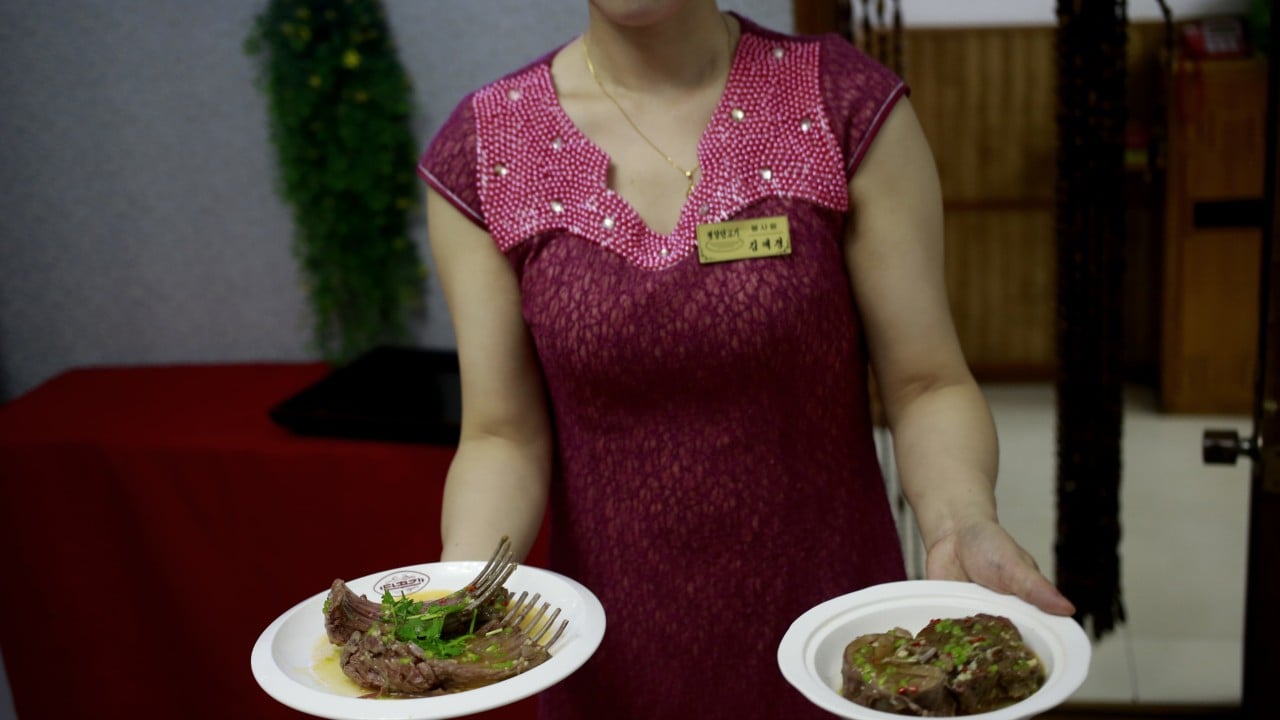
State media in Pyongyang has a very specific prescription for surviving brutal summer weather. When temperatures climb past comfortable margins, officials tell citizens to bowl up some dog meat soup. It sounds shocking to modern Western ears, but this institutional advice relies on deep historical roots and a very particular logic about seasonal health.
You won't find this practice treated as a taboo inside the isolated nation. Instead, it gets official backing from newspapers like the Rodong Sinmun, which regularly publishes seasonal survival tips. Let's look at why this culinary tradition persists and how state machinery frames it. You might also find this similar story interesting: The Rhetorical Mechanics of Conflict Escalation A Structural Critique of Wartime Discourse.
The Logic Behind Eating Dog Meat in Peak Heat
The core philosophy driving this dietary push centers on a traditional East Asian medical concept: fighting heat with heat.
According to long-standing beliefs across the Korean peninsula, heavy summer sweating depletes internal energy. To combat exhaustion, people need nutrient-dense tonics that restore vigor. State-run outlets point to dishes like dangogi guk—literally translated as sweet meat soup—as a primary defense against heatstroke and fatigue. As reported in recent reports by The Washington Post, the implications are notable.
Doctors interviewed by state media frequently warn that chronic conditions worsen during extreme heatwaves. To counter physical decline, official guidelines recommend protein-heavy options alongside cooling foods like mung beans, cucumbers, and watermelons.
Cultural Context and the Sambok Tradition
The push for dog meat peaks during the sambok, the three designated hottest days of the lunar summer calendar. These dates mark the most punishing stretch of the season.
While South Korea has seen a massive cultural shift away from consuming canine meat—culminating in recent legislative bans and plummeting demand among younger generations—North Korea takes a starkly different path. Pyongyang actively preserves and promotes the practice as part of national heritage. Restaurants specializing in these dishes, such as the famous Pyongyang House of Sweet Meat, operate openly with menus featuring everything from ribs to boiled skin.
Yet, economic reality tells a separate story. Specialty meat dishes remain expensive luxuries. Everyday citizens struggling with severe economic constraints often rely on much cheaper alternatives like rabbit or basic grain porridges to get through scorching weeks.
Official state promotion of dog meat remains a window into a completely different societal framework. While global norms shift rapidly toward treating canines exclusively as household pets, state-sanctioned messaging in North Korea clings tightly to old dietary dogma to manage public endurance through climate extremes.
Check out Koreans talk about eating dog meat on Boknal in Korea to see street interviews exploring modern perspectives on traditional summer canine consumption habits.
http://googleusercontent.com/youtube_content/1