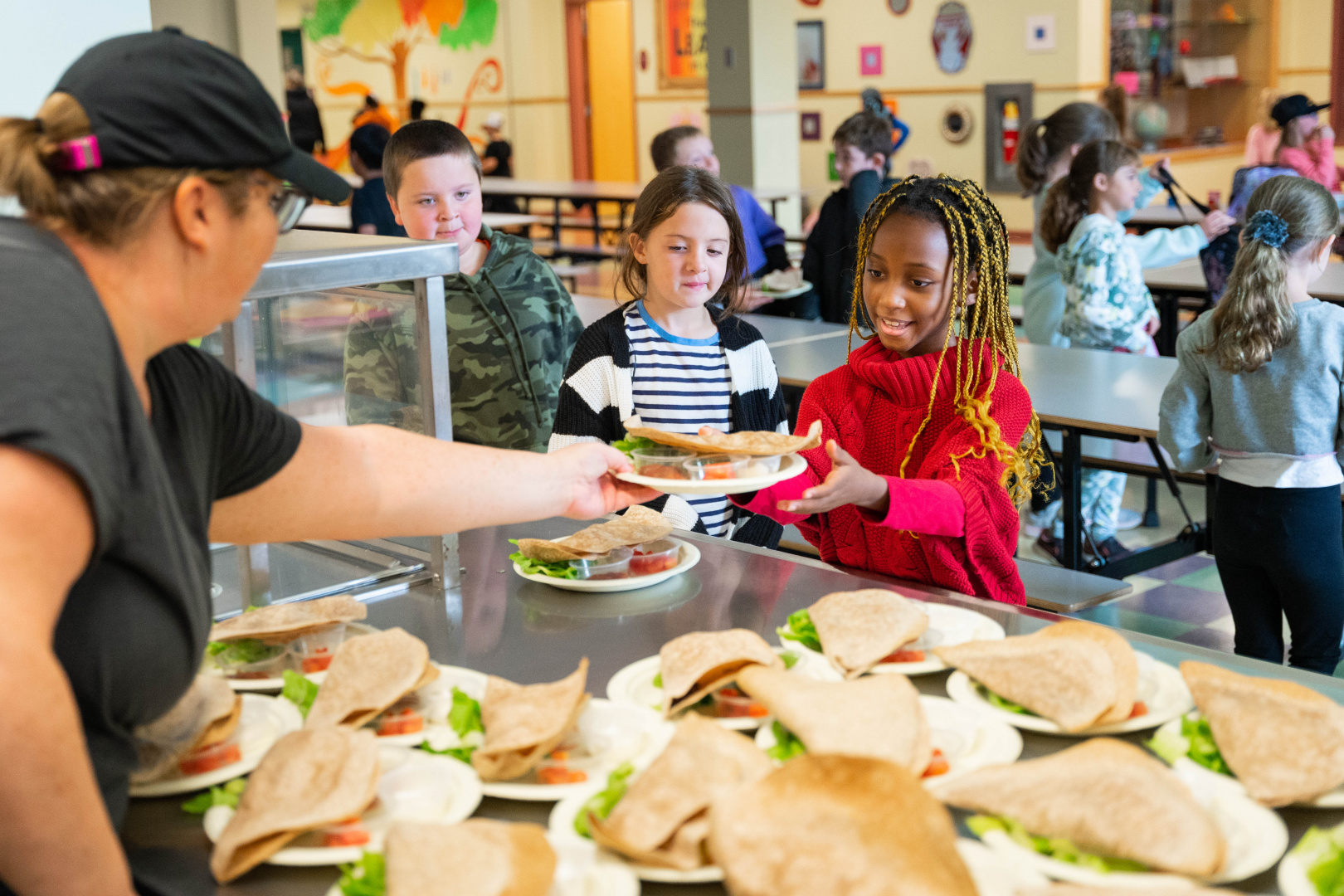
Feeding a teenager is expensive. If you have one at home, you already know the grocery bill feels more like a mortgage payment these days. That reality makes the province's latest move a massive deal for families trying to stay afloat. Starting this September, the Nova Scotia School Lunch Program is officially expanding to every single public high school across the province.
This is the final piece of the puzzle. The program started back in 2024 with elementary schools, crawled its way into junior highs last year, and is now hitting all 372 public schools. We are talking about open access for more than 133,000 students from Sydney to Yarmouth.
The strategy behind this rollout tells a fascinating story about public policy, parental behavior, and the absolute mess that is our current economy. Let's look at how this works, why high schools are a totally different beast, and what it actually costs to pull this off.
The Pay What You Can Reality
Most government initiatives come with mountains of paperwork and invasive income testing. This one doesn't. The program runs entirely on an online ordering system through a pay-what-you-can model.
When you log in to order a meal for your kid, you see a base price of $6.50. Then you get options. You can pay the full amount, pay a fraction of it, or choose to pay absolutely nothing. No one at the school knows who paid what. The kid just gets their food like everyone else, completely removing the heavy social stigma that usually ruins free meal programs.
The uptake numbers from the early phases are wild. During the first year of the rollout, only two percent of participating families paid the full $6.50 price tag. Two percent. That tells you everything you need to know about the financial pressure Nova Scotian families are facing right now. It also proves that when you give people a dignified way to ask for help, they will take it.
The sheer volume is staggering. Since its inception in 2024, the program has served more than 12 million meals. In the 2025-2026 school year alone, kids ate nearly 7.9 million lunches.
Why High Schools are Forcing a Shift in the Kitchen
Expanding to high schools isn't just a matter of ordering more inventory. Teenagers don't eat like third-graders. If you serve an eighteen-year-old athlete the same portion size as a seven-year-old, they'll be tracking down junk food by third period.
The province is adjusting for this by introducing significantly larger portion sizes for the older kids. They're also revamping the menu to cater to more mature, demanding palates. Nobody in grade twelve wants to eat plain carrot sticks and smiley fries every day. The upcoming school year's menu features things like chicken caesar wraps, chicken fried rice, ramen-style noodle bowls, and custom salads.
The biggest operational shift, though, is behind the scenes.
In elementary and junior high schools, the province largely relies on contracting external vendors to prep and drop off packaged lunches. High schools are changing the playbook. Most high schools are going to manage their own operations internally. They will use their existing cafeteria infrastructure and staff to prep meals on-site.
This local control matters because high school schedules are erratic, students leave property during lunch breaks, and food preferences change fast. By keeping the cooking in-house, cafeterias can adapt on the fly, minimize food waste, and keep the older kids actually interested in eating school food.
The Massive Bill for Free Lunches
This level of support does not come cheap. The financial scale of this program has ballooned rapidly alongside its expansion.
- The 2025-2026 budget: The province poured roughly $80 million into the program.
- The 2026-2027 budget: The upcoming school year will see the provincial food budget climb past the $100 million mark.
- The federal contribution: Ottawa is chipping in $12.4 million over a three-year period through Canada's National School Food Program.
Investing over $100 million into school food is a massive political bet by the provincial government. But the data supporting school nutrition programs is tough to argue with. Kids who eat proper lunches have better focus, fewer behavioral issues, and higher achievement rates. When you look at it as a healthcare and education investment rather than just a grocery bill, the math starts making a lot more sense.
Dealing with the Quality Problem
It hasn't been all praise and smooth sailing. The program has faced its fair share of criticism over the last two years, mostly from parents and students complaining about inconsistent food quality and a lack of reliable dietary accommodations.
When you scale a food operation to millions of meals across hundreds of buildings, consistency drops. Some schools nailed the execution, while others served soggy, unappealing meals that kids ended up tossing in the garbage. Navigating severe allergies, gluten sensitivities, and diverse cultural dietary needs has also caused logistical headaches for the external vendors.
Education Minister Brendan Maguire has openly acknowledged these issues, stating that the province is continually refining things based on real-time feedback. Moving high schools to an internal operational model is a direct attempt to fix the quality control issues. It's much easier to fix a bad batch of rice when the cook is standing in the school kitchen, rather than ten kilometers away at a mass-production facility.
What Parents Need to Do Now
If you have a teen entering a Nova Scotia public high school this September, don't wait until the first day of classes to figure this out.
Get familiar with the online portal at the official website, nslunch.ca. The system opens for ordering well ahead of the school year. Look over the menu options with your teenager to see what they'll actually eat, and decide honestly what your budget allows you to contribute. If you need to pay zero, do it without a shred of guilt. That is exactly what the funds are there for.
The success of the high school expansion will ultimately depend on whether the students actually show up to eat. If the kitchen staff can deliver on the promised upgrades to portions and flavors, it's going to save local families thousands of dollars at a time when they need it most.


