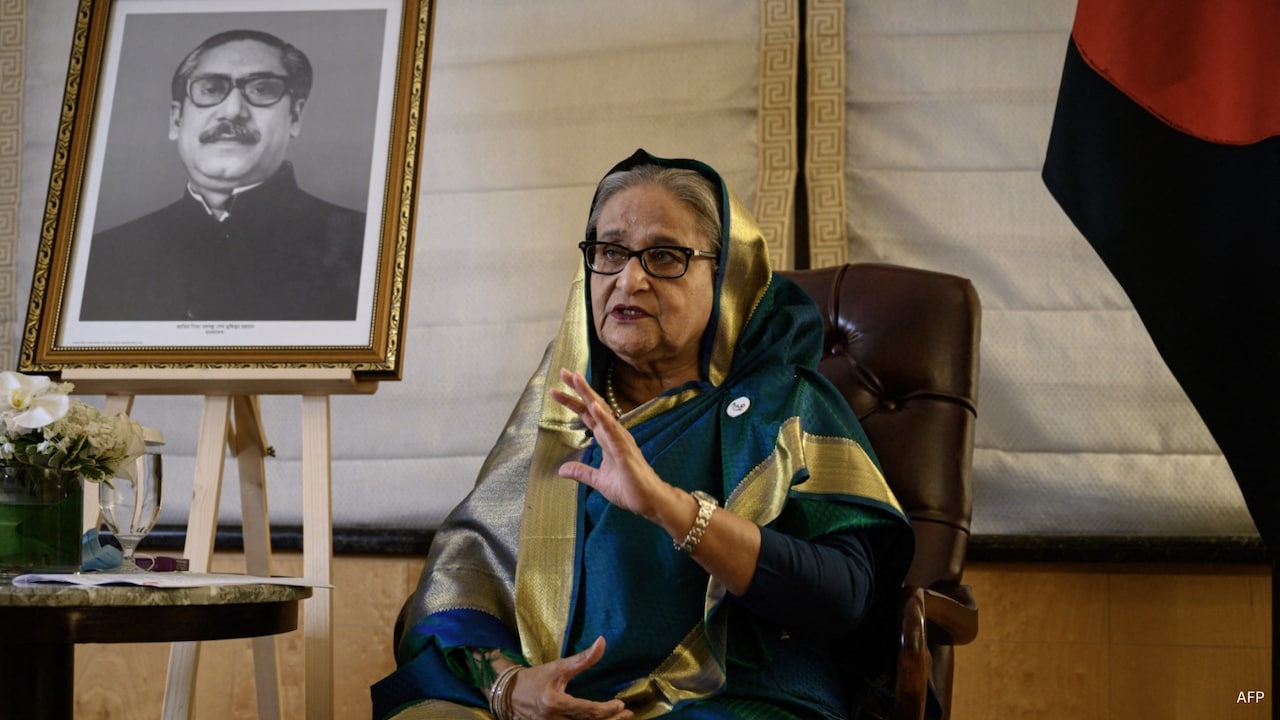
The lazy consensus dominating media rooms across South Asia is simple: Sheikh Hasina flies back from Delhi, cuffs go on at the tarmac, and the International Crimes Tribunal verdict is swiftly executed. Ministers puff their chests. Headlines write themselves.
Everyone is looking at the handcuffs while missing the geopolitical earthquake beneath their feet.
Focusing purely on whether a deposed prime minister gets arrested the second her boots touch Dhaka tarmac is a shallow distraction. It mistakes terminal stage optics for root-cause structural resolution. The real game isn't about executing a death sentence handed down in absentia. The real game is about whether Bangladesh can survive the institutional volatility that her return—or her martyrdom—will trigger.
The Flawed Logic of the Tarmac Arrest
Ask any political analyst in Dhaka what happens next, and they parrot the state line. The law minister insists she will be detained before she can even formally surrender. The narrative treats justice like an automated conveyor belt.
This view ignores basic statecraft.
When a leader who ruled an iron-fisted state for fifteen years vows to return despite a death sentence, she is not walking into a trap; she is setting one. Totalitarian and authoritarian leaders do not return to face execution quietly. They return to fracture state machinery, mobilize sleeper networks, and force the current administration into an overcorrection that delegitimizes the new democratic dispensation.
If Hasina lands and is immediately seized, her party, the Awami League—already battered and officially targeted under anti-terrorism provisions—transforms instantly from an ousted, discredited political machine into an aggrieved anti-establishment symbol. Martyrdom in South Asian politics is a potent fuel. It turns judicial processes into partisan vendettas in the eyes of millions.
The International Extradition Illusion
Let us look closely at the legal mechanics. Dhaka keeps pressing New Delhi under the bilateral extradition treaty. New Delhi plays the diplomatic classic: "The request remains under active consideration."
Treaties are political instruments disguised as legal texts. India has zero incentive to hand over a high-profile former ally who sheltered under its security umbrella without extracting massive diplomatic leverage first. By treating extradition as a predictable courtroom transaction, the current government underestimates the strategic debt New Delhi holds in keeping regional influence intact.
Imagine a scenario where India quietly facilitates her departure just to drain the diplomatic abscess, leaving Dhaka holding a legal hot potato. The moment she steps onto a flight independently, New Delhi avoids the direct optics of betrayal while freeing itself from a permanent diplomatic headache. Dhaka’s leadership then inherits an immediate, high-stakes security crisis on home soil that they are structurally unprepared to manage cleanly.
Dismantling the Myth of Closure
The underlying premise of the current prosecution strategy is that judicial closure equals political stability. History laughs at this assumption.
Trials conducted in the immediate aftermath of a bloody revolution carry an inherent legitimacy deficit, regardless of the severity of the crimes committed. International watchdogs like the UN human rights office and Amnesty International have repeatedly flagged structural flaws in how the tribunal mandates were amended and executed.
When you rush a conviction in absentia, you hand future political revanchists a constitutional weapon. You create a legal precedent where every subsequent regime can jail and condemn its predecessor without standard procedural friction. That is not the establishment of the rule of law. That is the institutionalization of victor's justice.
What Real Statecraft Looks Like
If Dhaka wants to break the cycle of cyclical political violence, the obsession with the airport arrest needs to be scrapped entirely.
- Decouple Justice from Spectacle: Stop treating the return of a fugitive as a reality television ratings event. If legal procedures must happen, handle them with institutional coldness rather than populist rallies and ministerial bravado.
- Fortify Democratic Institutions Over Personalities: The obsession with one 78-year-old exiled leader steals oxygen from the urgent task of reforming electoral commissions, police forces, and the judiciary. If the state's survival hinges on whether one woman is behind bars, the state has already failed.
- Neutralize the Martyrdom Narrative: True power is demonstrated through institutional resilience, not preemptive handcuffs. A secure democracy does not panic at the prospect of a political opponent testing the jurisdiction of local courts.
The ministers can keep giving soundbites about the exact square foot where the cuffs will click. They are arguing over the wrapper while the bomb ticks inside.
Stop focusing on the arrest. Start worrying about what happens to the country the day after the handcuffs come off.