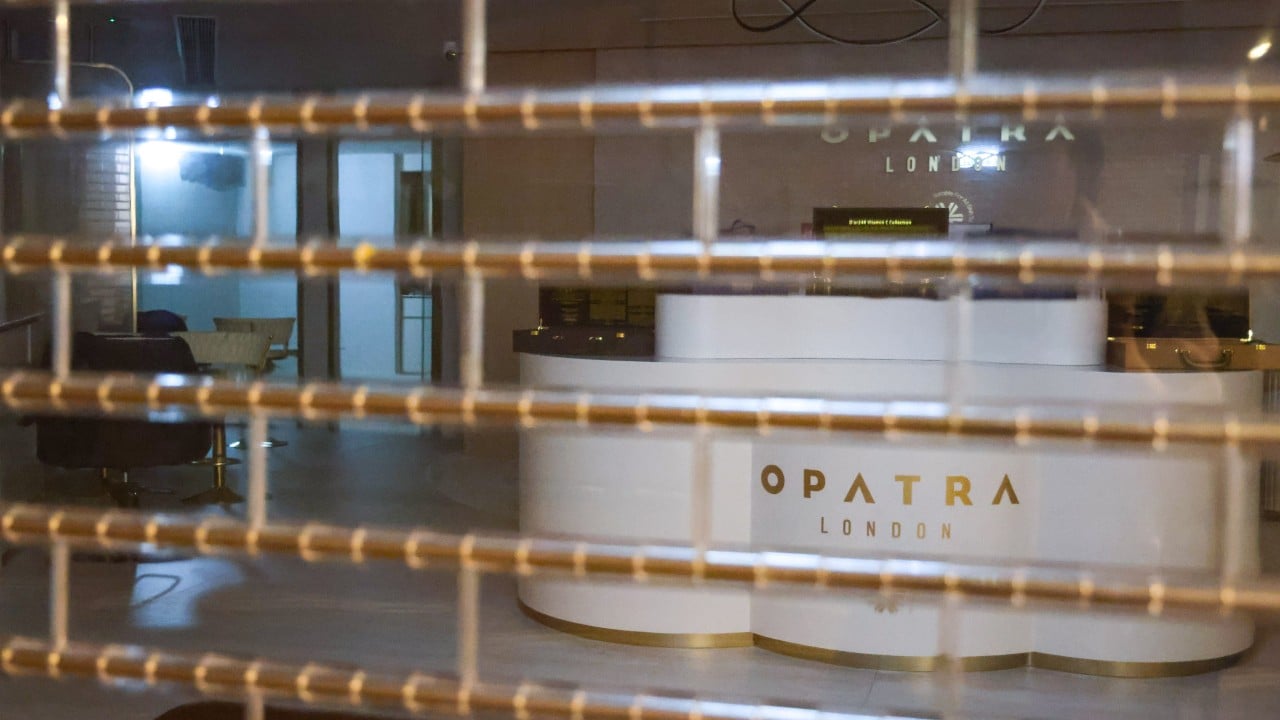
The recent arrest of two employees linked to Opatra London in Hong Kong marks a breaking point for a beauty retail model that has long relied on psychological entrapment rather than product value. Customs officials detained a 42-year-old financial manager and a 25-year-old administration manager under the Trade Descriptions Ordinance, signaling that the authorities have finally run out of patience for high-pressure sales tactics that leave vulnerable consumers with five-figure credit card bills and little to show for them.
These arrests were not isolated incidents but the result of mounting pressure following a string of complaints. The core issue involves aggressive, often coercive, commercial practices that target middle-aged and elderly individuals. Victims have reported being pressured into spending between HK$1,800 and HK$100,000 on devices and skincare treatments under conditions that resemble psychological siege rather than a retail transaction. You might also find this similar article insightful: The Weight of a Coin Between Two Borders.
The methodology is disturbingly consistent. A shopper is lured into a store, often on the pretext of receiving a gift or a free consultation. Once inside, the environment shifts. Sales staff employ intense, unrelenting persuasion, effectively isolating the customer from their surroundings. In some instances, reports suggest that customers are coerced into signing contracts or authorizing payments before they are permitted to leave. This isn't retail; it is a calculated extraction of capital.
For years, these operators have functioned in the shadows of the beauty industry. They hide behind the prestige of international branding—in this case, the Opatra London name—while the local entities are often little more than shell operations or independent distribution partners with minimal oversight. When investigators raided the company’s registered office in Sheung Wan, they found a ghost location: a secretarial company with no actual business operations or staff present. This lack of a physical, accountable presence is a common feature of companies that intend to vanish when the heat rises. As reported in recent coverage by The Economist, the results are worth noting.
The human cost of these operations is significant. One high-profile case involved a 58-year-old woman who felt so desperate after being pressured into a HK$60,000 purchase that she was filmed kneeling outside the shop, sobbing in public. The incident went viral, stripping away the thin veneer of luxury and exposing the ugly reality of the shop’s internal culture. While the company claimed in statements that the transactions were compliant and that the open design of their stores allowed for freedom of movement, the sheer volume of complaints—and the subsequent police and Customs intervention—tells a story that contradicts their public messaging.
Why does this continue to happen? The retail landscape in dense urban centers creates a unique vulnerability. High rents drive a desperate need for high-velocity revenue, which in turn incentivizes managers to push staff to close deals at any cost. When the pressure to hit daily targets becomes absolute, ethical boundaries evaporate.
Consider a hypothetical scenario where a consumer enters a store merely to ask a question about a display. Within minutes, a salesperson identifies a potential insecurity, magnifies it, and introduces a high-cost solution. By the time the consumer realizes the gravity of the expenditure, they are already surrounded by staff, their credit card is being processed, and the door feels unreachable. This cycle relies entirely on the fear of social confrontation and the confusion generated by sensory overload.
Regulatory bodies have struggled to keep pace with these tactics. While the Trade Descriptions Ordinance is a powerful tool, it requires concrete evidence of "undue influence" and "aggressive commercial practices" to secure a conviction. Proving this requires victims to come forward, recount their trauma, and survive the scrutiny of an investigation—a process that many are unwilling or unable to undergo. The recent arrests suggest that the Customs Department is moving toward a more proactive stance, targeting the management and administrative layers of these organizations rather than just the floor staff.
The closures of the Sha Tin and YOHO Mall branches serve as a warning to other operators who utilize similar playbooks. When an organization relies on fear to drive sales, the business model is inherently fragile. It requires constant churn, a steady stream of new faces, and a lack of transparency to survive. As soon as the public becomes aware of the true nature of the transaction, the "premium" mask slips, and the brand equity turns into a liability.
Consumers must recognize that luxury is not just defined by the price tag or the location of a store in a high-end mall. True value includes the integrity of the buying experience. If a shop forces a transaction, it is not selling a product; it is selling a trap. The era of unchecked high-pressure retail in Hong Kong is facing a severe correction. As these investigations progress, the industry must reckon with its own shadows. Retailers that build their success on the exploitation of the unwary are finding that their time is running out. The next time a friendly face offers a free gift on the street, remember that the cost of entry is often far higher than the price of the item itself.