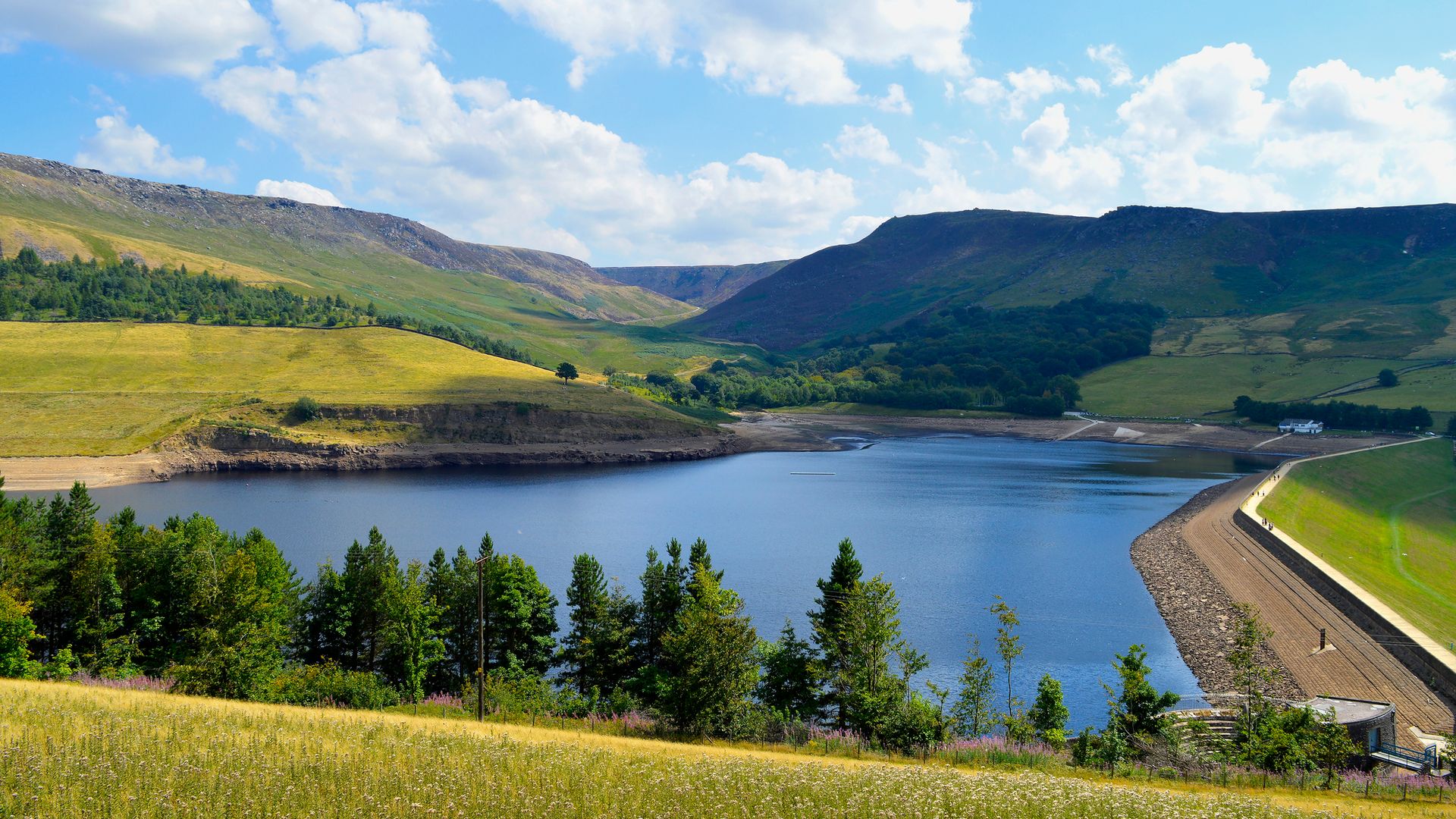
The water looks perfect. The air temperature is pushing past 30C, the sun is blazing, and a local reservoir or river feels like the only escape. You jump in to cool off. Within seconds, you are fighting for your life.
This exact scenario played out tragically across the UK as consecutive summer heatwaves triggered a spike in accidental drownings. In Greater Manchester alone, emergency services recovered the body of an 18-year-old man from Dovestone Reservoir after he became unresponsive in the water. Just 24 hours earlier, a 49-year-old man died under similar circumstances at Sykes Reservoir in Stockport.
These aren't isolated incidents. During the May heatwave, 15 people lost their lives in open water. Most of them were children and teenagers. The death toll continued to climb through June and July as temperatures repeatedly broke records.
People assume drowning happens to weak swimmers or those who venture too far. That's a myth. The real killer in summer open water swimming is a physiological reflex that doesn't care how athletic you are.
The Invisible Threat of Cold Water Shock
When the air heats up rapidly over a few days, large bodies of water do not follow suit. Reservoirs, lakes, and deep rivers retain their winter cold for months, often hovering between 10C and 15C even during a 35C heatwave.
Plunging into water that cold triggers cold water shock syndrome. It is an involuntary physical reaction. The moment your skin hits the water, your blood vessels constrict dramatically, sending your heart rate spiking.
The most dangerous part? The gasp reflex. You cannot control it. Your body forces a sudden, deep inhalation of breath. If your head is underwater or a wave hits your face at that exact millisecond, you inhale water directly into your lungs. It takes less than half a glass of water in the lungs to initiate drowning.
Even if you survive the initial gasp, hyperventilation sets in. Panic takes over. You lose the ability to coordinate your strokes, your muscles stiffen from the sudden temperature drop, and even an Olympic swimmer can submerge within a couple of minutes.
Reservoirs and Rivers are Safety Traps
It isn't just the temperature that catches people off guard. Open water environments are entirely different from a chlorinated, supervised leisure pool.
- Hidden Currents: Rivers like the Ribble or the Severn feature powerful undercurrents that aren't visible from the surface. They can sweep a teenager downstream or trap them against underwater debris.
- Sudden Depths: Reservoirs are industrial structures. They don't have gradual slopes. A swimmer can take one step forward in waist-deep water and suddenly drop into a 10-meter abyss.
- Underwater Machinery: Reservoirs often feature hidden pipes, pumps, and aerators. These systems create powerful downward suction that can trap a swimmer underwater regardless of their physical strength.
- Steep Banks: The edges of reservoirs and quarries are frequently steep, slick, or made of crumbling stone. Once you get in and realize you are in trouble, climbing back out is often impossible without help.
The Royal Life Saving Society (RLSS) repeatedly highlights that the risk of drowning escalates exponentially when air temperatures spike. People look at the water as a playground, ignoring the reality that no lifeguards are watching.
What to Do If You Fall In
If you or a friend enters open water and hits trouble, forget everything you think you know about swimming to safety. Do not try to swim harder. Do not thrash your arms. Fighting the water burns energy and accelerates cooling.
The Royal National Lifeboat Institution (RNLI) champions a life-saving technique called Float to Live.
- Fight your instinct: The urge to thrash and swim will be overwhelming. Resist it.
- Lean back: Tilt your head back with your ears submerged in the water.
- Relax and breathe: Focus entirely on controlling your breathing. Move your hands and legs gently if you need to keep your hips afloat.
- Wait for the shock to pass: The effects of cold water shock subside within 60 to 90 seconds. Once your breathing is under control, you can call for help or plan your swim out.
If you are on the shore watching someone struggle, never jump in to save them. The cold water will claim you too. Call emergency services immediately and look for a throw line, a life ring, or a long branch to extend to them from safety.
Enjoying hot summer days shouldn't cost lives. Stick to supervised lidos, coastal beaches with active lifeguard patrols, or designated safe swimming zones where emergency help is actually on hand.