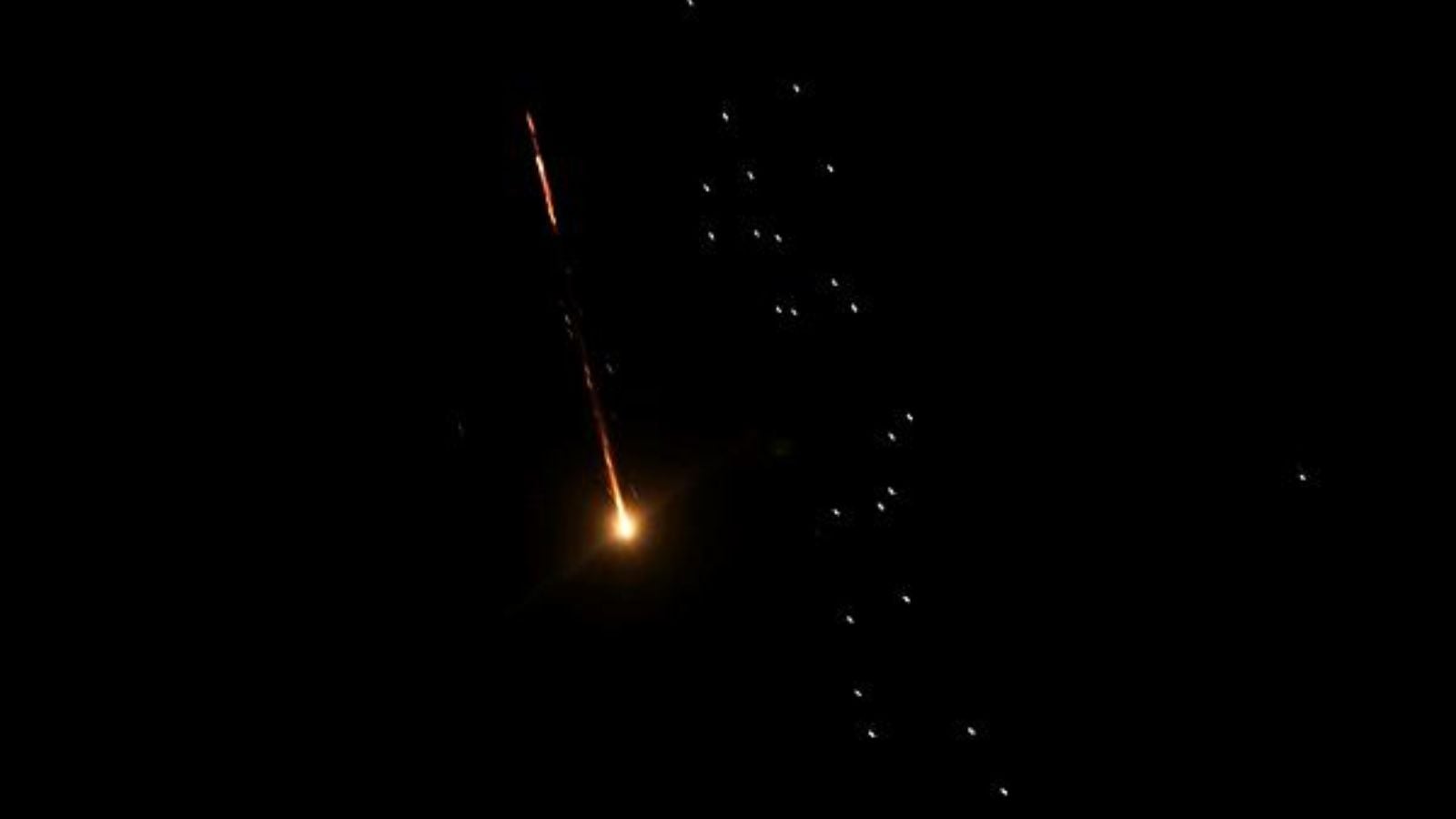
The map of the Middle East is being redrawn in real-time by B-2 stealth bombers and ballistic missile exchanges that have effectively ended the era of the Islamic Republic as we knew it. On February 28, 2024, a joint U.S.-Israeli campaign titled Operation Epic Fury—or "Operation Midnight Hammer" in some military circles—shattered the decades-long "shadow war" between Tehran and its adversaries. By March 2, the Pentagon and Israeli officials confirmed the unimaginable: Supreme Leader Ayatollah Ali Khamenei is dead, killed in a pinpoint strike that targeted the heart of the regime's leadership.
This is no longer a localized skirmish or a "tit-for-tat" exchange of drone swarms. It is a full-scale regional conflagration where the traditional lines of support have been blurred by desperation and shifting survival instincts. While the White House frames this as a liberation for the Iranian people, the retaliatory strikes by Iran have hit eight different Arab nations, forcing a radical realignment of global powers and regional players.
The Coalition of the Willing and the Silent
The primary aggressors, the United States and Israel, have entered into a partnership of unprecedented tactical integration. Unlike previous years where Washington urged Israeli restraint, the current administration has opted for a "decapitation" strategy. The objective is the total dismantlement of Iran’s nuclear infrastructure and its ballistic missile capabilities.
However, the "support" for this operation is far from a unified Western front.
- The United Kingdom: Prime Minister Keir Starmer has authorized the use of British bases in Cyprus for "defensive" purposes to intercept Iranian missiles. While the UK is not flying strike sorties into Tehran, its logistical backbone is essential for the U.S. umbrella.
- The European Union: The bloc is fractured. While Germany and Italy have refrained from direct criticism, nations like Spain and Norway have condemned the strikes as a violation of international law. France remains in a state of "tacit endorsement," publicly calling for Iran to respect nuclear obligations while privately signaling relief at the degradation of the IRGC.
- The Gulf States: This is the most complex theatre. Countries like the UAE, Qatar, and Bahrain have been struck by Iranian missiles despite not participating in the attack. Iran’s strategy is simple: if we go down, the global energy supply goes with us. Consequently, while these nations host U.S. bases, they are desperately lobbying for a ceasefire to prevent their own economic collapse.
The Axis of Resistance in Freefall
For years, Iran’s primary defense was its "ring of fire"—a network of proxies including Hezbollah in Lebanon, the Houthis in Yemen, and various militias in Iraq. Today, that axis is a resistance without an axis.
The decapitation of the Iranian leadership has left these groups in a state of strategic paralysis. Hezbollah has launched rocket barrages into Haifa, but the group is severely degraded after months of sustained Israeli pressure. In Iraq, the Popular Mobilization Forces are facing internal divisions, with some factions hesitant to commit suicide for a headless regime in Tehran.
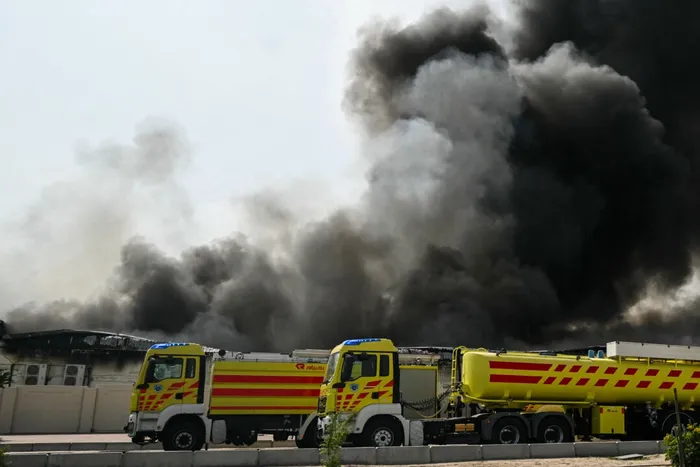
The "why" behind Iran's decision to strike civilian targets in Dubai and Doha is a gamble on regional pressure. Tehran calculates that if they inflict enough pain on the "neutral" Arab neighbors, those neighbors will force Washington to the negotiating table. It is a logic of mutual destruction that has so far only succeeded in galvanizing a more formal Arab-Israeli defense coordination.
Russia and China The Strategic Lifelines
If the U.S. and Israel are the hammer, Russia and China are the shield—though the shield is showing significant cracks.
Russia has condemned the killing of Khamenei as a "cynical violation" of international law. For Moscow, Iran is a critical partner in bypassing Western sanctions and a primary supplier of drone technology. However, Russia’s ability to intervene is limited by its own commitments in Ukraine. Reports suggest that while Iran signed a deal for Russian Verba MANPADS in late 2025, these systems are insufficient against the high-altitude stealth assets currently loitering over Tehran.
China remains Iran's largest economic customer, purchasing over 80% of its shipped oil. Beijing’s response has been one of "restrained condemnation." They view a total regime collapse as a risk to their energy security but see a weakened, dependent Iran as a geopolitical opportunity. Beijing is playing a long game, waiting to see if the IRGC can maintain domestic control before committing to any material support.
The Domestic Variable
The most overlooked factor in this escalation is the state of the Iranian street. In January 2026, Iran was already reeling from the largest anti-government protests since 1979. The economic collapse and the "maximum pressure" of sanctions had already hollowed out the regime's legitimacy.
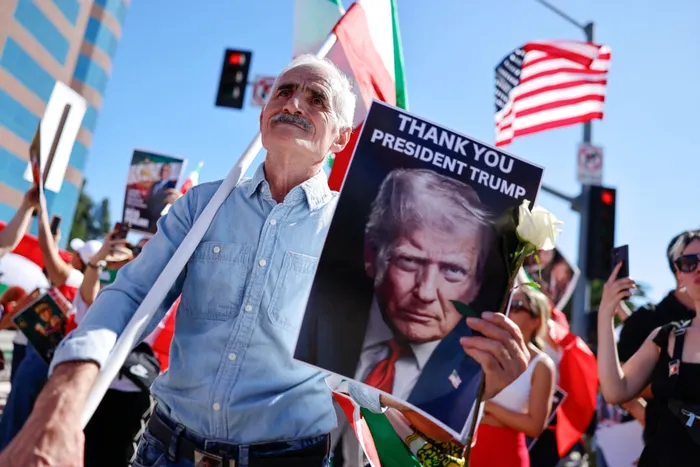
We are seeing reports of Iranians celebrating in the shadows of the very strikes that are destroying their infrastructure. This creates a dangerous paradox for the U.S. military. If they "get the job done" but leave a power vacuum, they risk an "IRGCistan"—a fractured state controlled by various paramilitary warlords with access to remaining conventional (and potentially unconventional) weaponry.
The current conflict has moved beyond the "shadows." The closure of the Strait of Hormuz by Maersk and other shipping giants is the first sign of a global economic shockwave that will likely dwarf the 2008 crisis if the four-week timeline promised by the U.S. extends into a seasonal war.
The reality is that the old Middle Eastern order is gone. Whether the new one is built on the ruins of Tehran or a broader regional ashes depends on how quickly the remaining Iranian command structure realizes that the "Axis of Resistance" has reached its breaking point.
Would you like me to analyze the specific economic impact of the Strait of Hormuz closure on global oil prices for your next report?