The Orkney election hustings are a masterclass in polite, terminal decline.
If you watched the latest rounds of local debates, you saw the usual suspects: candidates nodding along to "save our ferries" and "protect our services" while the room temperature remains a comfortable, soul-crushing lukewarm. Everyone is asking how to fix the current system. Nobody is asking if the system deserves to survive.
The "lazy consensus" in Orkney politics is that we are victims of a distant Holyrood or a distracted Westminster. That is a comforting lie. The truth is far more jagged. Orkney is currently a laboratory for how a high-potential community can be strangled by its own desire for consensus. We are debating over the crumbs of a broken transport model while the actual future of the islands—digital autonomy and energy sovereignty—is treated like a secondary hobby.
The Ferry Fallacy: Stop Praying for Steel
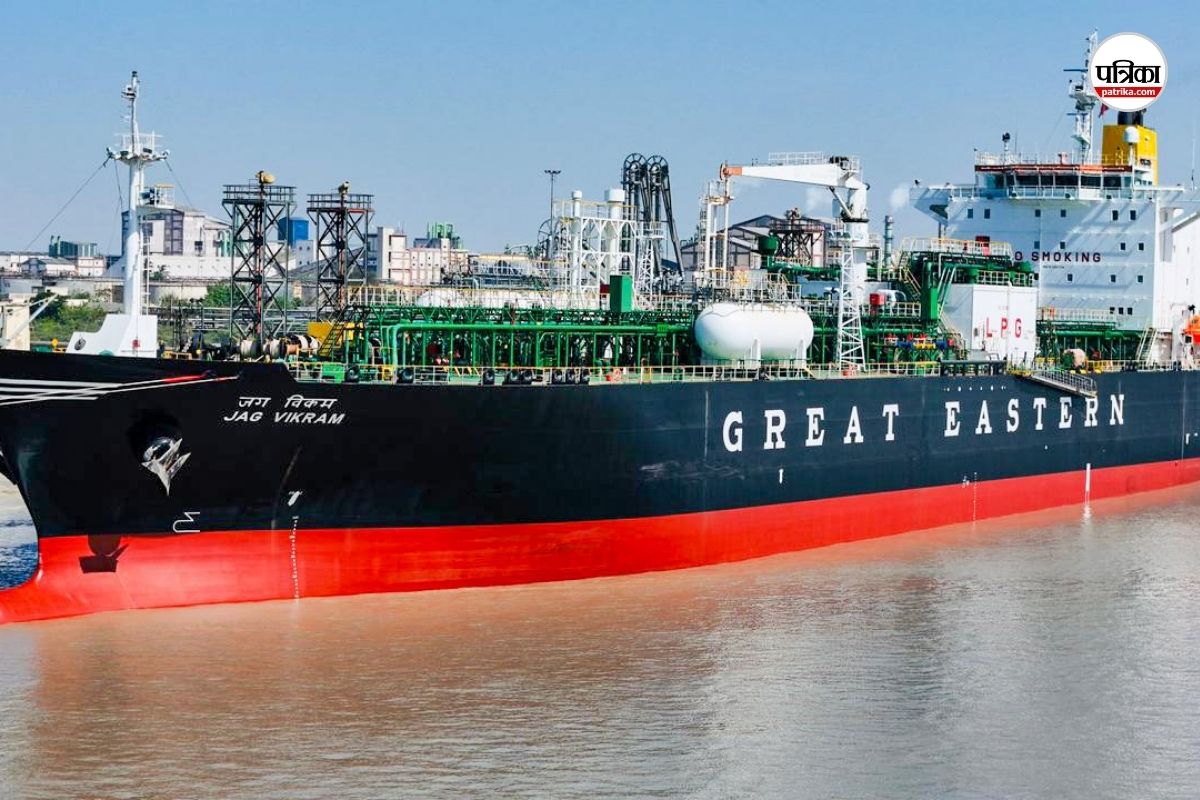
The primary obsession of every hustings is the ferry fleet. Candidates bark about "Internal Ferry Funding" as if a bigger check from Edinburgh is the magic bullet. It isn't.
The current obsession with like-for-like vessel replacement is a sunk cost trap. We are fighting to maintain a 19th-century logistics model in a 21st-century economy. Why are we begging for massive, expensive-to-run, carbon-heavy vessels that require huge crews and rigid schedules?
If we actually wanted to "disrupt" the transport crisis, we would stop talking about funding and start talking about de-regulation. We should be turning Orkney into a global testbed for autonomous, small-scale electric freight and passenger drones. Instead of one massive boat that runs twice a day and breaks down every Tuesday, we need a swarm of smaller, automated units.
The "experts" will tell you the weather is too rough. They said the same thing about offshore wind twenty years ago. The hardware exists; the political courage to bypass the standard procurement nightmare does not. Every minute spent debating "fair funding" for old technology is a minute we aren't spending on building a bridge of bits and bytes.
Energy Wealth is a Myth Without the Grid
At every hustings, someone mentions that Orkney produces over 100% of its electricity needs from renewables. The crowd cheers. The candidates puff out their chests.
It is a meaningless stat.
It’s like owning a Ferrari in a village with no roads. Because of the National Grid's archaic pricing structures and the lack of a subsea cable with enough capacity, Orkney remains energy-poor while being energy-rich. We are literally "curtailing" (turning off) wind turbines because there is nowhere for the power to go.
The contrarian move isn't to beg OFGEM for a better deal. It is to de-couple.
Orkney should be pushing for a "Closed Loop Economy" where we stop trying to sell our power to a grid that doesn't want it and start using it to power massive, locally-owned data centers and green hydrogen plants. We shouldn't be exporting electrons; we should be exporting compute power and liquid fuel.
Candidates talk about "fuel poverty" while standing on a gold mine. The reason fuel poverty exists in Orkney isn't a lack of resources—it's a lack of imagination in local governance. We are trying to play by the rules of a centralized UK energy market that was designed to favor coal plants in the Midlands. We need to break the rules, not negotiate them.
The Remote Working Lie
"We need to attract young people back to the islands."
This is the standard line at every election. It’s usually followed by a vague promise of "affordable housing."
Here is the cold reality: You can build a thousand houses, but if the internet is a stuttering mess and the local culture is hostile to anyone who doesn't have a grandfather buried in the local kirkyard, they won't stay.
Orkney isn't competing with Shetland or the Western Isles. It is competing with Lisbon, Bali, and Tallinn. If a software engineer can work from anywhere, they need more than a "pretty view." They need hyper-connectivity and a regulatory environment that doesn't treat a home-based business like a zoning violation.
The hustings focus on "services" (libraries, bins, schools). These are maintenance tasks. They aren't growth drivers. The "nuance" the candidates miss is that the traditional Scottish "local authority" model is designed to manage decline, not spark an explosion of digital-first entrepreneurship.
The "Autonomy" Distraction
Every few years, the Orkney Islands Council toys with the idea of "Greater Autonomy" or even independence. It’s a great way to get headlines, but in its current form, it’s a bluff.
True autonomy isn't a legal status; it’s financial. As long as Orkney relies on the block grant from the Scottish Government for the majority of its budget, any talk of "Crown Dependency" status is just cosplay.
To be actually autonomous, Orkney needs to own the seabed rights. It needs to tax the energy companies directly. It needs to stop asking for permission.
I’ve seen dozens of "strategic plans" that are nothing more than wish lists sent to people who don't care. Real power is taken, not granted. If the candidates were serious about autonomy, they wouldn't be debating how to lobby MSPs—they would be debating how to build a sovereign wealth fund that bypasses the Scottish Treasury entirely.
The People Also Ask (And Are Wrong)
"How can we lower the cost of living in the islands?"
The standard answer is "subsidies." The real answer is "competition." The reason everything costs more in Orkney is a lack of competitive logistics. By protecting old, inefficient transport monopolies, we are taxing every loaf of bread that enters the harbor. Smash the monopoly, and the prices drop.
"What can we do about the aging population?"
Stop treating the elderly as a liability to be managed and start treating the youth as an investment to be retained. This means radical shifts in education—focusing on high-value skills like AI, decentralized finance, and marine engineering—rather than just "preparing them for the workforce."
"Is tourism the answer?"
No. Tourism is a garnish, not the main course. A community that relies on cruise ships is a community that has surrendered its soul to the service industry. We need high-margin, low-impact exports. Brains, not beds.
The Death of the "Safe" Candidate
The biggest threat to Orkney isn't a lack of funding. It's the "Safe Candidate."
The person who knows the procedures. The person who is "reliable." The person who will sit on thirty committees and produce thirty reports.
We are at a tipping point where "reliable" is synonymous with "extinct." The islands are facing a demographic collapse and an infrastructure crisis that cannot be solved by incrementalism.
We don't need a councillor who understands the current system. We need a councillor who understands how to build the next one. We need someone who isn't afraid to be the most unpopular person in the room by suggesting we stop subsidizing the past.
Imagine a scenario where Orkney issues its own municipal bond, backed by future wind revenues, to build its own fiber-optic backbone and autonomous ferry fleet. No begging. No waiting for a minister to visit for a photo op.
That wasn't discussed at the hustings. Instead, they talked about potholes.
Potholes are important, but they are symptoms of a budget that is being eaten alive by the costs of maintaining a dying status quo. Fix the economy, and the potholes take care of themselves.
Stop voting for the person who promises to protect what we have. Vote for the person who is ready to burn the old blueprints and start digging the foundations for something that actually works in 2026.
The consensus is comfortable. The consensus is also a trap. Break it.