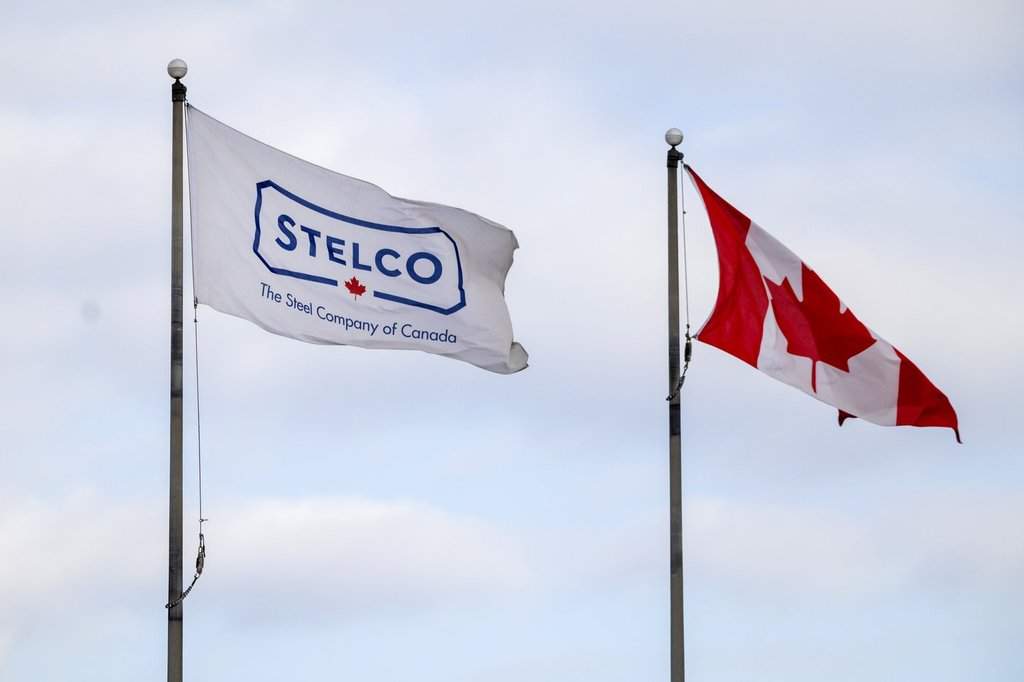
When a multinational corporation buys a historic Canadian asset and treats legally binding promises like rough drafts, someone has to draw a hard line. That is exactly what happened when Industry Minister Mélanie Joly took square aim at Cleveland-Cliffs. The Ohio-based steel giant thought it could slash jobs at Hamilton's Stelco plant without consequence. They were wrong.
Ottawa's aggressive pushback proves that economic sovereignty isn't just a talking point. It is a set of rules with teeth. If you buy a Canadian company under specific terms, you keep your word.
The Anatomy of a Broken Promise
Back when Cleveland-Cliffs scooped up Stelco for billions, the deal wasn't a blank check. Under the Investment Canada Act, incoming foreign buyers have to make concrete undertakings. For Stelco, that meant keeping unionized headcount stable and protecting salaried staff for a multi-year window.
Then reality hit, or rather, corporate executives decided to blame trade friction for internal strategy shifts. Cleveland-Cliffs announced layoffs, idling major operations at the historic Hamilton works. Up to 175 workers faced pink slips right before the winter holidays.
Joly didn't blink. Instead of offering polite corporate boilerplate, she called out a double violation of federal obligations. Ottawa gave the company a strict 15-day deadline to fix the mess or face the full weight of the legal system. That threat wasn't empty. It included everything from heavy court fines to an ultimate forced divestment order—meaning Cleveland-Cliffs could have been forced to sell Stelco entirely.
Why This Fight Matters for Canadian Industry
Most people assume foreign takeovers are a done deal once the ink dries. Acquisitions happen, headquarters move south, and local workers absorb the shock. This showdown rewrote that playbook.
When corporate leadership tries to use cross-border trade disputes as a convenient excuse to gut local commitments, governments need to push back. Steel is foundational. Hamilton steel is part of the country's manufacturing backbone. Letting an American CEO sideline local labor agreements sets a dangerous precedent.
Cleveland-Cliffs tried to claim they were in full compliance after an internal review of their 34 distinct undertakings. But profit reports told a different story. Public statements from CEO Lourenco Goncalves noted that the quarter was among the strongest since the acquisition. You cannot claim financial distress while simultaneously posting massive operational highs and cutting the workforce.
The Fallout and What Comes Next
The pressure campaign worked. Facing the prospect of a brutal court battle and a potential forced sale, the company backed down. Stelco confirmed the full recall of all 175 laid-off workers to their posts in Hamilton.
For the United Steelworkers and local advocates, the reversal is a massive validation. It proves that binding agreements under the Investment Canada Act actually mean something. Yet, local union leaders are keeping their guards up. CEO remarks favoring restrictive American tariffs still hang over the relationship.
The lesson here is simple. Foreign entities operating on Canadian soil must respect the legal framework governing their entry. Treaties and investment laws are not suggestions. When politicians are willing to back up their rhetoric with real legal threats, accountability follows.
Watch the upcoming compliance filings closely. If the ownership group tries to sidestep local obligations again, Ottawa now has a clear roadmap for how to handle it. Stand your ground, enforce the statutes, and protect the workers who built the industry.