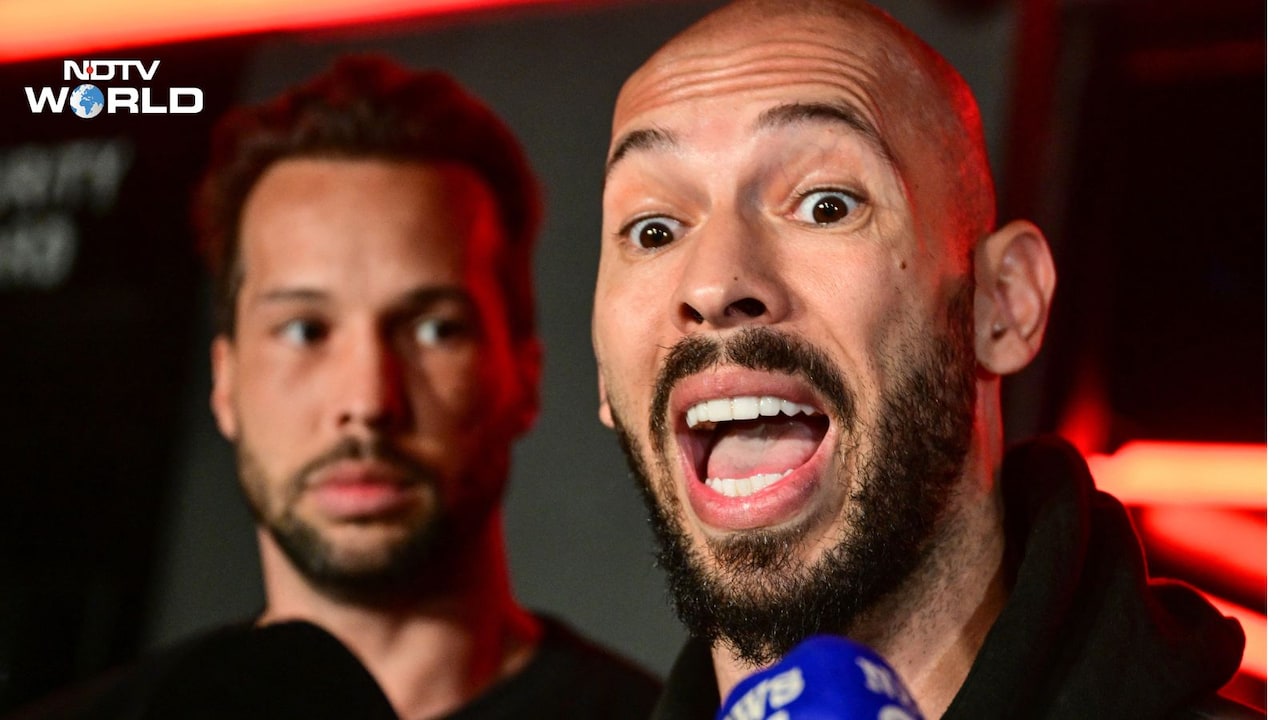
Federal prosecutors in Miami offered a stark defense of the Special Housing Unit at Federal Detention Center Miami with four words that instantly made headlines: FDC Miami is not a Marriott.
They were responding to complaints from Andrew and Tristan Tate, who have been held in administrative segregation since their July arrest on British extradition warrants. The mainstream commentary immediately split into predictable camps. Supporters wailed about human rights violations and targeted state oppression. Detractors shrugged, figuring rough conditions are just part of the price for men facing serious criminal allegations.
Both sides are missing the underlying operational reality. The debate should not center on whether a federal lockup resembles a luxury hotel. The real story is how the Bureau of Prisons uses administrative segregation as a default holding pattern for high-profile defendants, masking systemic institutional decay behind legal jargon.
The Comfort Fallacy
Let us dispense with the faux outrage over short mattresses, warm tap water, and dim lighting. Anyone treating a federal detention center like a standard hospitality failure is selling you a narrative.
I have spent years analyzing correctional facility logistics and civil litigation involving municipal and federal detention standards. Facilities like FDC Miami are holding environments designed for population containment and flight prevention, not rehabilitation or comfort. When prosecutors defend conditions by noting they are "reasonable, constitutional and within BOP discretion," they are leaning on a very low legal floor established by decades of prisoner rights jurisprudence.
Constitutional thresholds do not require plush pillows or pristine plumbing. They require four walls, basic caloric intake, and a lack of deliberate indifference to life or health. FDC Miami cleared that low bar legally, even if its infrastructure is failing. Water pressure issues, broken air conditioning, and backed-up legal visitation rooms are symptoms of chronic underfunding and bureaucratic neglect across the federal prison system—not a specialized torture program cooked up just for internet influencers.
The Protective Custody Paradox
The more revealing friction point in the Tate case is the reason behind their isolation. Prosecutors maintain the brothers are housed in the Special Housing Unit for their own safety. Defense attorneys acknowledge the severe threats from other inmates who view high-profile defendants charged with sexual offenses as prime targets.
Here lies the institutional trap. If jail administrators place high-profile or controversial inmates into general population and something goes wrong, the facility faces catastrophic liability for failing to protect them. If they isolate them in administrative segregation to mitigate that exact risk, lawyers turn around and file emergency motions denouncing the psychological toll of solitary confinement.
The system cannot win, so it defaults to self-preservation. Administrative segregation becomes a catch-all administrative shield. For high-profile detainees, protective custody often functions as a punitive holding cell precisely because the facility lacks the intermediate security tiers required to safely manage high-visibility prisoners.
"Administrative segregation is routinely deployed not as a surgical tool for security, but as an institutional band-aid for facilities that cannot safely manage their own populations."
Dismantling the Myth of Isolation
We also need to address the modern paradox of high-profile "solitary confinement." Historically, isolation meant total sensory deprivation and zero outside communication.
In the digital age, that definition has warped. Andrew Tate's accounts on social media platforms have continued pumping out observations, complaints, and rallying cries throughout the incarceration period. Whether transmitted via legal teams, privileged calls, or clever proxy posting, the reality is clear: true isolation does not include a direct megaphone to millions of followers worldwide.
Conflating administrative segregation in a municipal federal facility with genuine, black-site psychological isolation diminishes actual human rights abuses elsewhere in the penal system. The Tates are experiencing the friction of a broken, overcrowded federal detention apparatus that is crumbling beneath its own infrastructure backlog—water mains breaking, staff relying on pepper spray to control volatile pods, and legal visitation rooms collapsing under water damage.
Focusing the narrative on whether a federal holding cell matches a Marriott lets the Bureau of Prisons off the hook for systemic operational failure while giving media-savvy defendants exactly the kind of polarization they feed on. Stop treating a broken infrastructure crisis like a VIP persecution plot.