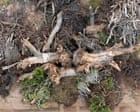
Let us get one thing straight right out of the gate. A two-hundred-year-old tree falling down is tragic only if you mistake sentimentality for actual ecology. When the news cycle exploded over a historic Sonoran Desert ironwood toppled during border barrier construction, the outrage machine whirred into predictable motion. Headlines screamed about ecocide. Activists wept for the loss of a silent sentinel.
It makes for great television. It makes for pathetic environmentalism.
I have spent decades watching conservation get hijacked by performative grief while actual, systemic habitat degradation goes completely unchecked. We hyperventilate over a single landmark specimen while ignoring the vast, invisible machinery of habitat fragmentation that destroys ecosystems on a continental scale.
If your definition of conservation relies entirely on the emotional weight we assign to old things standing in specific places, you are not protecting nature. You are curating a museum. And nature stopped caring about our curated exhibits a long time ago.
The Myth of the Static Sanctuary
The lazy consensus in modern environmental reporting treats ecosystems as fragile, static dioramas. The narrative runs on a simple, comforting script: pristine nature exists in a state of grace until heavy machinery arrives to shatter it.
That framework is a fantasy.
Desert ecosystems are dynamic, violent, and defined by relentless adaptation. The Sonoran Desert does not maintain a museum of antiquity. It is a harsh crucible where species survive or perish based on water availability, climate velocity, and genetic exchange, not because a particular tree lived through the administration of James Monroe.
When environmentalists anchor their advocacy to individual charismatic features—a grand tree, a specific picturesque canyon, an iconic vista—they commit a strategic error. They invite their opponents to debate the value of one specific object rather than the structural health of the entire biome.
Border infrastructure projects certainly cause ecological harm. They alter hydrology, disrupt migration corridors, and fragment populations of jaguars, pronghorns, and ocelots. Those are quantifiable, catastrophic impacts. But fixating on a fallen ironwood tree allows the architects of these projects to shrug off the criticism by pointing out that deserts are full of ironwoods. And they are right.
By framing the debate around sentimentality, the conservation movement walked straight into a trap. They lost the policy argument because they refused to make a scientific one.
The Real Threat Is Invisible
Let us look at what actually happens to desert wildlife when barriers slice through their home ranges. It is not about a tree. It is about genetic bottlenecks.
When you erect a thirty-foot steel bollard wall across a bajada, you do not just inconvenience animals. You divide populations into isolated gene pools. For species like the Sonoran pronghorn, which relies on long-range movement to follow ephemeral rain-driven vegetation blooms, a barrier is an existential threat. Cut off from seasonal forage and mates across the international boundary, localized populations face rapid inbreeding depression.
That is the battle we should be fighting. Not mourning a single trunk, but modeling permeability. Not writing elegies for flora, but demanding engineering solutions like wildlife corridors, flap gates, and strategic gaps that maintain north-south connectivity.
Yet, nuance does not go viral. A fallen tree generates thousands of shares. A white paper on mammalian corridor connectivity does not. Consequently, advocacy organizations chase the dopamine hit of outrage, trading structural victories for temporary public relations moments.
I have seen organizations blow millions of dollars in donor capital on legal challenges targeting specific aesthetic landmarks while letting major policy loopholes pass through quietly in the dead of night. It is a distraction disguised as defense.
The Complicity of Performative Grief
There is a deeper, uglier truth here. Performative environmentalism serves the status quo.
When the debate centers on whether a historic tree should have been spared, politicians and agencies can easily pivot to mitigation theater. They plant a thousand saplings somewhere else. They fund a study. They issue a press release expressing deep regret for the unfortunate necessity of national security infrastructure.
And the machine keeps moving.
By accepting the terms of a debate where nature is valued primarily for its antiquity and aesthetic charm, critics validate the underlying premise: that nature is negotiable as long as we feel sad when we destroy it.
Real conservation is cold, analytical, and uncompromising. It looks at square kilometers of contiguous habitat, hydrological cycles, predator-prey dynamics, and climate resilience models. It asks hard questions about what survives a warming planet, not what survived the nineteenth century.
An ironwood tree dying to make way for a steel fence is a tragedy of priorities. But the greater tragedy is that while everyone was weeping over the stump, nobody was watching the corridor collapse around it.
Stop crying over the timber. Start fighting for the territory.