Oyinkan Braithwaite doesn't write the kind of stories that make you feel safe. If you're looking for a neatly packaged morality tale where the good guys win and the bad guys get what’s coming to them, you’re reading the wrong author. With her newest book, Treasure (published in French as Filles maudites), she proves once again that she’s the reigning queen of the Lagos noir. She isn't just telling a story about a social media influencer and an obsessed fan. She’s dissecting the performative nature of modern life in Nigeria’s largest city.
Most people recognize her from the global smash My Sister, the Serial Killer. That book was lean, mean, and darkly funny. Treasure feels different. It’s heavier. It trades some of that satirical bite for a suffocating sense of dread that mirrors the reality of being a woman in a space that often feels like it's designed to swallow you whole. Discover more on a similar issue: this related article.
Lagos Is More Than Just A Setting
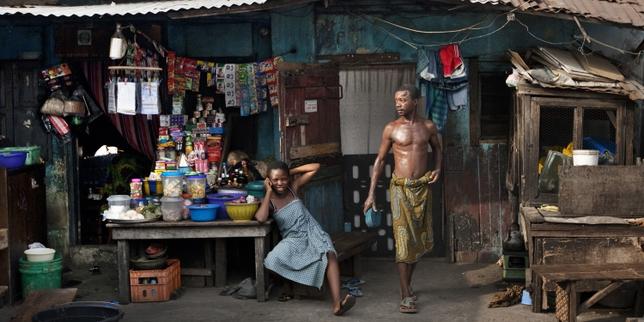
In many contemporary novels, a city is just a backdrop. For Braithwaite, Lagos is a character with its own agenda. It's a place of extreme contrasts. You have the gleaming towers of Victoria Island and the crushing poverty of the mainland. Treasure lives in the tension between these two worlds.
The story follows Treasure, a young woman who has mastered the art of the "gram." She knows how to angle the camera to hide the peeling paint on the walls. She knows which filters make her look like she belongs in a champagne-soaked lifestyle she can’t actually afford. This isn't just vanity. In a city like Lagos, visibility is currency. If people think you’re successful, you might actually become successful. It’s a dangerous game of "fake it until you make it" that feels incredibly urgent in our current era. Additional analysis by IGN delves into similar views on this issue.
Then there’s the fan. He’s not just a creep; he’s a manifestation of the entitlement that often follows female visibility. Braithwaite uses this dynamic to explore how the digital world isn't a vacuum. What happens online has violent, tangible consequences in the physical world.
The Supernatural Is Closer Than You Think
One thing that catches readers off guard is Braithwaite’s use of the fantastic. It’s not high fantasy with dragons or wizards. It’s grounded in West African belief systems where the spiritual and the physical are constantly bleeding into each other.
In Treasure, the "maudite" or "cursed" element isn't just a metaphor. It taps into the cultural anxiety surrounding women who don't fit the mold. If a woman is too ambitious, too beautiful, or too independent, there’s often a whisper that something is "off" about her. Braithwaite leans into this. She uses elements of the supernatural to highlight the very real horrors of the patriarchy. It’s a brilliant move. By making the threats literal ghosts or curses, she makes the metaphorical weight of societal expectations feel much more visceral.
I’ve seen critics try to pigeonhole her work as just "thriller" or "horror." That’s a mistake. She’s doing something much closer to social commentary disguised as a genre flick. She’s using the tropes of the thriller—the ticking clock, the looming shadow, the sense of isolation—to talk about what it’s like to navigate Lagos as a woman.
Why Social Media Is The New Frontier For African Literature
For a long time, African literature was expected to be about "The Great Issues." Colonialism. War. Dictators. While those stories matter, there’s a new generation of writers, led by Braithwaite, who are looking at the everyday. They’re looking at TikTok. They’re looking at the way young Nigerians communicate through DMs and emojis.
Treasure captures the specific anxiety of the influencer age better than almost any other book I’ve read recently. It captures the exhaustion of maintaining a brand. Treasure isn't just a victim; she’s a participant in a system that demands she sell pieces of herself to survive.
The book asks a hard question. Who is more dangerous? The stalker who wants to own Treasure, or the society that told her the only way to be "someone" was to put a target on her back? Braithwaite doesn't give us an easy answer. She’s not here to lecture. She’s here to show us the wreckage.
Breaking The Rules Of The Female Protagonist
We're used to female leads who are likable. We want them to be "strong" but also "kind." Braithwaite throws that out the window. Her characters are often selfish. They make bad decisions. They can be incredibly cruel to the people they love.
Treasure is complicated. You might find yourself shouting at her through the pages. But that’s the point. Why should she have to be perfect to deserve safety? By creating "unlikable" female characters, Braithwaite is making a radical claim for their humanity. They don't have to be saints to be worth our attention.
The prose reflects this. It’s sharp. It’s clipped. She doesn't waste time on flowery descriptions of the sunset unless that sunset is doing something to the plot. Every sentence is a scalpel. She’s cutting away the fluff to get to the bone.
The Reality Of Nigerian Noir
Nigerian Noir is a growing movement, and Braithwaite is at the forefront. Writers like Leye Adenle and Chimeka Garricks are also exploring this space, but Braithwaite has a specific knack for the psychological. She understands that the scariest thing isn't a guy with a knife in a dark alley. It’s the person sitting across from you at dinner who knows exactly how to ruin your life with a single phone call.
The "noir" element in Treasure comes from the sense of inevitability. In classic noir, the protagonist is often trapped by their own choices and a corrupt system. That describes the lives of these "cursed girls" perfectly. They’re trying to run, but they’re running on a treadmill.
If you’re planning on picking up Treasure, don't expect a beach read. Expect to feel uncomfortable. Expect to look at your own phone a little differently after you close the cover.
How To Read Braithwaite Right
To truly appreciate what Braithwaite is doing, you have to look past the "thriller" label. Here’s how you should approach her work:
- Watch the background. The secondary characters—the aunties, the shopkeepers, the drivers—often hold the keys to the cultural context. Pay attention to how they treat the "modern" women.
- Track the power shifts. In every scene, ask who has the power. Usually, it’s not the person you think.
- Don't look for a hero. There aren't any. There are just people trying to get by in a city that’s constantly trying to chew them up.
Braithwaite’s work is a wake-up call. It’s a reminder that the stories we tell about ourselves online are rarely the whole truth. Sometimes, they’re just the bait.
Pick up a copy of Treasure at your local independent bookstore or check it out through your library’s digital lending app. Read it in one sitting. Then, go through your Instagram followers and wonder who’s really watching. That’s the Braithwaite effect. It lingers long after you’ve put the book back on the shelf.