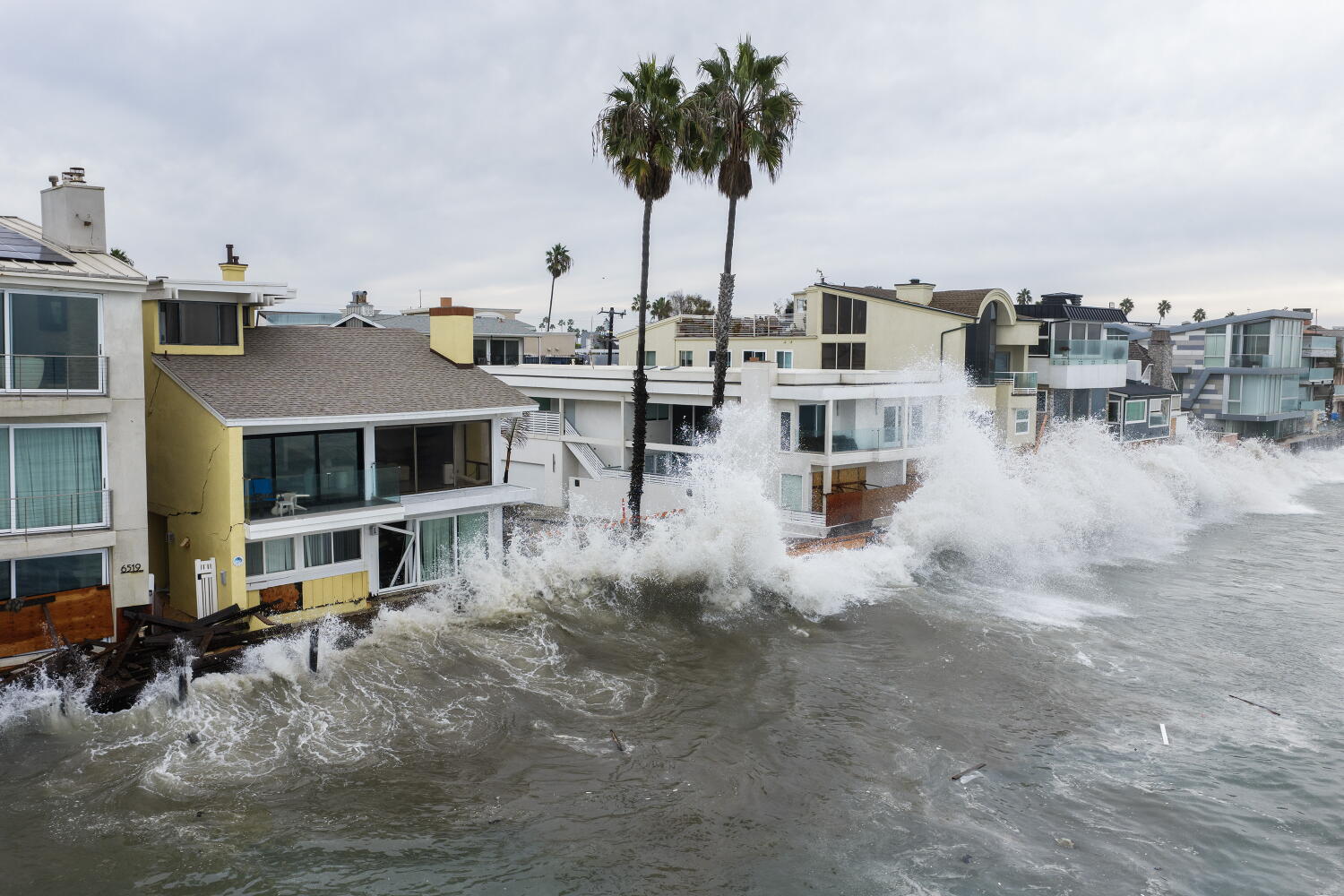
Every time a tropical system sends a pulse of energy toward the Southern California coastline, the playbook is identical. Local news outfits run breathless segments about towering waves. City councils panic. Lifeguards hoist red flags, and municipal authorities rush to close beaches, evacuate coastal zones, and board up public spaces. The lazy consensus says we are protecting lives from an invading ocean.
That narrative is complete nonsense.
When Tropical Storm Rachel sent heavy surf crashing into Long Beach and triggered emergency closures in Newport Beach, the collective reaction wasn't risk mitigation. It was theatre. By treating predictable ocean energy like an existential catastrophe, coastal towns are systematically destroying their own economic resilience while infantilizing the very people who choose to live by the water.
I have watched cities burn millions in emergency response funds over minor swells that seasoned surfers look at as a fun Tuesday morning. Let us look at what actually happens when coastal leadership mistakes high-energy water for an emergency.
The Myth of the Uncontrollable Swell
The fundamental flaw in modern coastal management is the belief that nature can or should be locked out when conditions get spicy. When reports surfaced of Long Beach residents driven out by high surf and Newport Beach locking down stretches of sand, the media framed it as the ocean fighting back.
The ocean isn't fighting back. It is doing what oceans do during late-summer tropical transitions: transferring energy across thousands of miles of open water.
When storms churn offshore, wave heights rise. This is basic physics. Energy increases, wave periods lengthen, and coastal infrastructure gets tested. Yet municipal leaders treat every large set as if a tsunami is rolling through. They conflate natural variance with emergency events.
If you move to a coastal city, you sign an unwritten contract with hydrodynamics. Waves are the rent you pay for the view. Shutting down beaches because the water is moving fast is like closing the highway because traffic is moving fast. It is an admission of operational incompetence disguised as public safety.
The Economic Self-Harm of Knee-Jerk Closures
Let us look at the financial fallout. Local businesses along the Newport and Long Beach strips rely on weekend traffic and steady foot traffic. When cities tape off the boardwalks and declare a state of heightened anxiety over overhead waves, they kill commerce instantly.
Tourists cancel hotel reservations. Locals stay home, intimidated by flashing barricades and alarmist headlines. Restaurants stock perishable inventory that goes to waste because city hall decided that a closed beach is safer than an educated populace.
I have seen small business owners lose a month of profit in a single weekend because a city manager wanted to mitigate liability concerns. The risk isn't the wave breaking on the shore break. The risk is an over-litigious municipal culture that values zero liability over zero common sense.
When you shut down the beach, you aren't saving lives. You are transferring the cost of managing natural environments onto the backs of local merchants who have zero say in the bureaucratic panic cycle.
How to Actually Handle Heavy Surf
If closing beaches is a lazy coping mechanism, what is the alternative? Simple: treat adults like adults and invest in competence instead of caution tape.
First, stop issuing blanket closures. A six-foot shore break at the Wedge is dangerous for an inner-tube tourist, but it is manageable for a seasoned waterman. Instead of shutting down miles of coastline, target the specific hazards. Keep dangerous piers clear while leaving open stretches of sand for people who know how to swim.
Second, upgrade lifeguard staffing instead of deploying police tape. Cities shouldn't spend money on emergency PR campaigns telling people to stay away; they should spend it putting more eyes on the water. A strong lifeguard presence prevents drownings. Yellow tape only prevents common sense from developing.
Third, change the communication model. Stop describing natural swells as attacks. Call them what they are: heavy ocean conditions requiring heightened awareness. Language matters. When you frame weather as a crisis, the public panics. When you frame weather as a condition, the public adapts.
The Real Cost of Coddling
We are breeding a generation of coastal residents who expect a padded cell wrapped around the Pacific Ocean. People move to the beach for lifestyle, yet the moment that lifestyle involves actual water movement, the state steps in to sanitize it.
This creates a dangerous feedback loop. The less exposure people have to real ocean dynamics, the less they understand them. The less they understand them, the more panicked they become when a legitimate swell arrives.
Long Beach and Newport Beach have survived decades of heavy southern swells, rogue sets, and shifting tides. They will survive the next one, provided the city councils get out of their own way.
Stop treating the sea like an enemy combatant. Stop locking down the sand. Let the water move, let the people watch, and let local businesses breathe.
If you can't handle the ocean moving faster than usual, move inland. Leave the coast to the people who understand that wild water is the whole point.