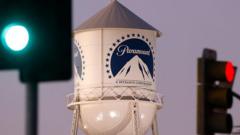
The media ecosystem just dodged a bullet, and everyone is crying about it.
When the rumored hundred-billion-dollar combination between Paramount and Warner Bros Discovery hit the rocks amid regulatory friction, the headlines wept. Analysts wailed about lost economies of scale. Wall Street mourned the absence of a quick fix for bloated balance sheets. The lazy consensus treated this corporate collision as a tragic missed opportunity for two legacy studios desperately trying to survive the streaming wars.
That narrative is completely backwards.
I have spent years watching massive conglomerates swallow each other whole, promising cost cuts and streamlined operations while quietly destroying the very creative engines that made them valuable in the first place. I have seen executives burn hundreds of millions of dollars chasing phantom efficiencies, only to watch the newly formed behemoth collapse under the weight of its own bureaucracy.
This merger failure is not a setback. It is a stay of execution.
The Fallacy Of Scale
Let us address the core delusion driving modern media consolidation. The prevailing dogma states that bigger is always better. The logic goes like this: if you combine two massive libraries, two distribution networks, and two streaming platforms, you slash overhead, gain pricing power, and finally beat the tech giants at their own game.
It sounds neat on a PowerPoint slide. In reality, it is a recipe for corporate lobotomy.
When two legacy studios merge, they do not combine their strengths. They combine their debts, their legacy infrastructure, and their institutional inertia. Warner Bros has spent the last few years aggressively untangling itself from past financial missteps. Paramount has been fighting a multi-front war to pivot its linear television cash cow into a digital-first contender. Shoving these two sinking ships together does not create an aircraft carrier. It creates a bigger target for antitrust regulators and a heavier anchor dragging both brands into the abyss.
Scale does not solve a strategy problem. It amplifies it. When an organization grows too large, risk aversion becomes the default operating system. Greenlighting bold, original storytelling gets replaced by algorithmic risk management. You end up with a hyper-corporatized machine designed exclusively to pump out safe, homogenized intellectual property until the audience tunes out entirely.
Why The Regulatory Roadblock Was A Blessing
The legal challenges and antitrust scrutiny that halted this deal were painted as government overreach by industry apologists. They missed the forest for the trees.
Imagine a scenario where this mega-deal cleared regulatory hurdles. You would have control over a staggering percentage of the global box office and television production under one roof. Prices for consumers would inevitably creep upward. Production budgets would face sweeping cuts as corporate accountants hunted for arbitrary merger synergies. Thousands of creative professionals, crew members, and mid-level operators would be thrown onto the market in the name of operational redundancy.
Monopoly never breeds innovation. It breeds laziness.
When studios do not have to fight for their survival on the merits of their creative output, they stop trying. Look at what happened when Disney bought Fox. Did it usher in a golden age of cinematic bravery? No. It triggered a massive contraction in mid-budget filmmaking, reduced the total number of greenlit projects across the industry, and left a massive vacuum that nimble, independent production companies are only now beginning to fill.
By keeping Paramount and Warner Bros separate, the market preserves friction. And friction is where great art and smart business strategy actually happen.
The Counter-Intuitive Truth About Streaming
The primary panic behind this proposed merger was the streaming race against tech behemoths like Apple, Amazon, and Netflix. Wall Street kept asking: How can traditional studios compete with trillion-dollar balance sheets without pooling their resources?
The question itself is flawed.
Trying to out-Netflix Netflix by building an identical, bloated direct-to-consumer app is a fool's errand. Legacy studios tried to copy the tech playbook, ignored their own historic profit models, and bled billions of dollars trying to acquire subscribers at any cost.
The smart move has never been consolidation. It has been specialization.
Warner Bros sits on one of the most valuable libraries of IP and creative talent in human history. Paramount commands historic television production muscle and a legacy brand that still resonates globally. Neither company needs to merge with the other to win. They need to lean into what they actually do best: premium content creation, licensing flexibility, and theatrical distribution.
When you stop trying to be a tech platform and remember you are a storytelling factory, the math changes completely. Independent studios and focused operators can license their content to the highest bidder, build targeted monetization models, and maintain creative agility that no merged $110 billion colossus could ever dream of matching.
What Happens Next
The executives who engineered this merger talks are licking their wounds. The bankers missed out on massive advisory fees. The financial press will continue to spin stories about the supposed death of traditional Hollywood.
Let them talk.
The companies that survive the next decade will not be the ones that got bigger. They will be the ones that got faster, leaner, and more willing to embrace the chaotic reality of a decentralized entertainment landscape.
Stop mourning the mega-merger. Celebrate the chaos. It is the only thing keeping Hollywood alive.