One person died and several others were wounded when gunfire erupted from a moving car across a Paris suburb, and French officials quickly treated the rampage as a racist terrorist attack.
When breaking news headlines drop like that, most readers get a quick summary of the body count and the arrest. Then they move on. That surface-level reading misses the bigger story. Why does a shooting in a suburban commuter town trigger a national anti-terrorism probe instead of a routine local homicide investigation? How do prosecutors separate random street violence from targeted hate crimes? And what happens in the days after a suspect is cuffed, once the sirens fade and the political finger-pointing starts?
Having covered European security beats, courts, and crisis reporting for years, I've seen how fast initial reports shift once investigators examine ballistics, digital trails, and witness accounts. Early figures on injuries change. Motives that look murky at 10:30 a.m. often sharpen into something grim by evening. If you want to actually understand what happened in the Paris suburbs and why it matters beyond that single morning, you have to look at how the attack unfolded, how French counterterrorism law works, and how polarized politics shape the aftermath.
How a Paris Suburb Shooting Escalates into a National Terror Case
In many countries, a drive-by shooting in a suburban municipality is handled by regional detectives and local prosecutors. In France, the threshold for opening a national anti-terrorism investigation is tied closely to intent and public intimidation, not just whether an international militant network claims responsibility.
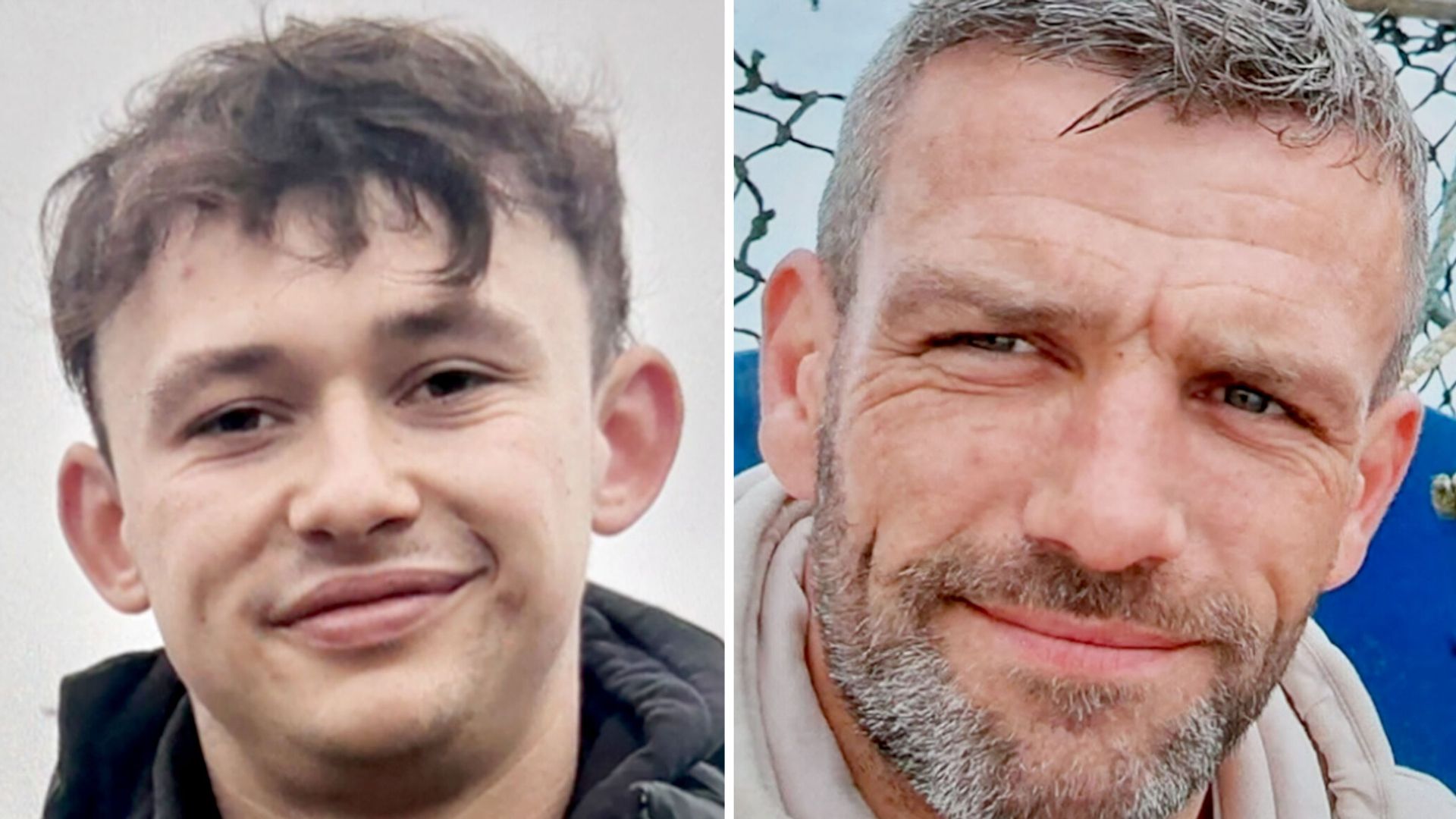
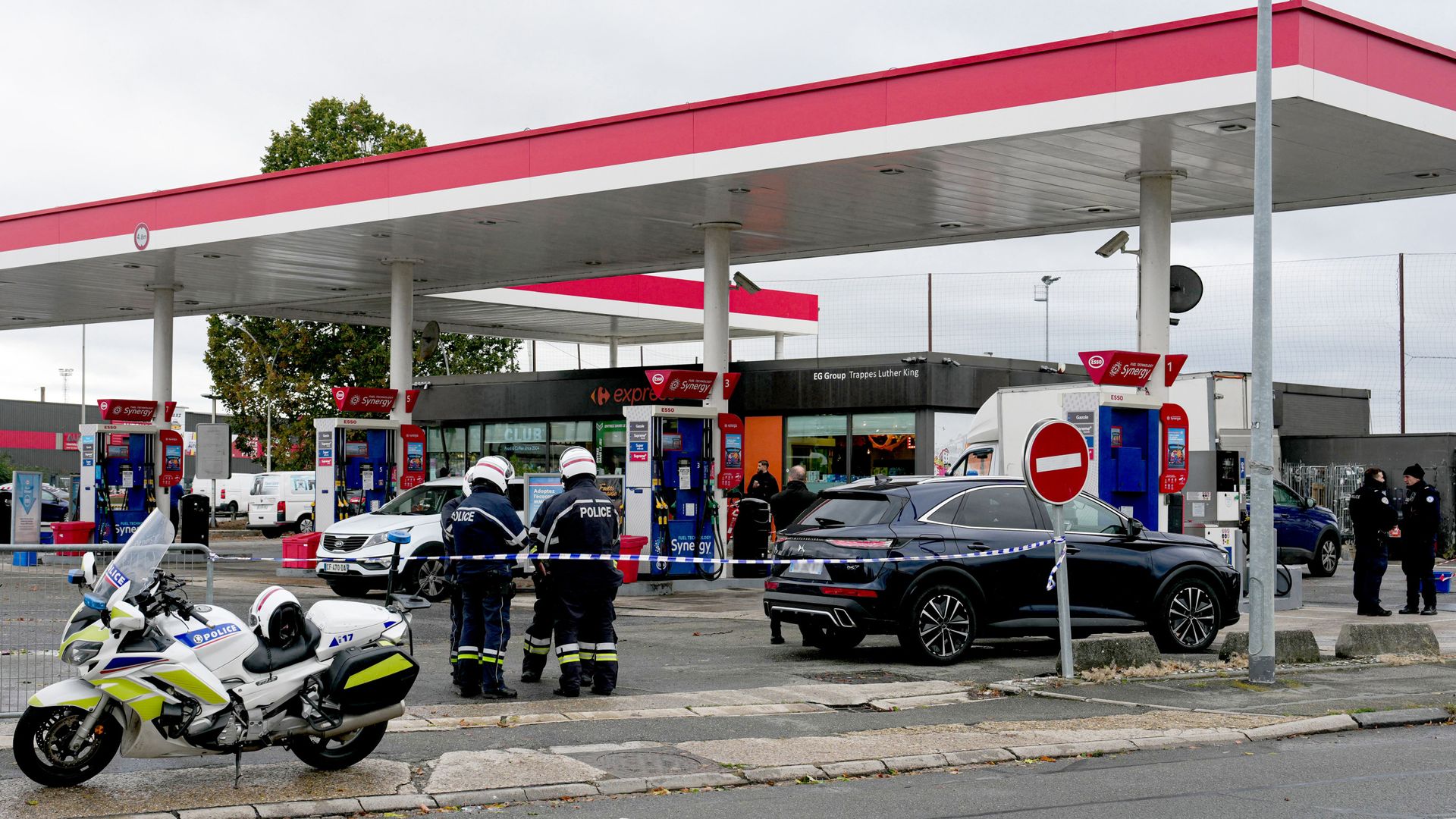
According to reporting on the October 23, 2026 shootings in Trappes and neighboring La Verrière—towns west of Paris in the Yvelines department—gunfire broke out from a vehicle across multiple spots over roughly 15 to 20 minutes. One man, 26-year-old amateur mixed martial arts fighter Pengo Bossio Wangi, was killed, and multiple other people were injured, including a young girl who suffered severe gunshot wounds. Police arrested a suspect shortly afterward in nearby Coignières, recovering a vintage submachine gun and other gear from the vehicle, while searches at a residence turned up hazardous materials and extremist literature.
When prosecutors step in under counterterrorism statutes, they're looking for premeditation, weapons offenses, and evidence that the attacker aimed to terrorize a population or target victims based on race, ethnicity, or religion. That legal distinction isn't just technical jargon. It changes who leads the investigation, what surveillance and search powers apply, and how the case is tried in court.
A common mistake people make when reading early crime dispatches is assuming the first casualty count or the first explanation of motive is final. In fast-moving incidents involving multiple streets and bystanders, hospitals triage incoming patients while witnesses give conflicting accounts of shots fired from a moving car. Officials routinely urge caution early on because official victim identifications and forensic checks take time.
Why Motive and Political Tension Collide So Fast in France
A shooting in a Paris suburb doesn't happen in a vacuum. It lands right on top of existing social friction, ongoing protests, and sharp political arguments over immigration, policing, and identity.
Right after the attack, local mayors and national leaders pointed to racial hatred as a likely or central factor, with President Emmanuel Macron condemning the violence as a racist and terrorist act. Meanwhile, voices across the political spectrum immediately turned the tragedy into a symbol of their own warnings. Left-wing figures and community groups pointed to rising anti-Muslim and anti-Black hostility, while far-right politicians condemned the violence while debating law-and-order issues and recent street unrest.
Here's what actually happens in those tense hours: political leaders speak to their constituencies before prosecutors finish questioning the suspect. Families of victims ask hard questions about whether warning signs were missed or whether someone previously unknown to intelligence agencies slipped through the cracks. Investigators, on the other hand, have to test every claim against physical evidence, phone records, and custodial statements—even when custody is temporarily paused for psychiatric evaluation.
In my experience watching these cases play out, the gap between public outrage and legal proof can be wide. A suspect might express racist grievances or reference recent riots during questioning, yet investigators still have to determine whether the person acted alone or had outside links. Treating every political reaction as settled fact only blurs what's actually proven.
What Most People Get Wrong About Lone Offenders and Extremism
When a suspect isn't on a government watchlist beforehand, people often assume the attack came completely out of nowhere. Usually, that's not quite true.
Security agencies track thousands of individuals, and their resources go primarily toward people showing clear indicators of organized plots or violent extremism. Someone without a prior intelligence file can still harbor deep hostility, acquire illegal weapons, stockpile dangerous items, or consume hateful material online without triggering an immediate alert.
Another misconception is that mental health issues, substance use, and ideological hatred are mutually exclusive explanations. In reality, investigators frequently encounter messy overlapping factors—such as toxicology findings, psychiatric assessments, or past criminal records—alongside deliberate targeting of specific groups. Prosecutors and courts have to untangle how each factor fits into criminal responsibility, rather than slapping a single label on a complex case and calling it a day.
You also see confusion around how hate crimes and terrorism overlap in European legal systems. Not every racially motivated assault is prosecuted as terrorism, and not every violent crime involves a formal group. What pushes a case into counterterrorism territory is the scale, method, or intent to spread fear across a community through severe violence.
How to Follow Developing Cases Without Falling for Rumors
When a shooting makes international headlines, social media fills up fast with unverified clips, misidentified victims, and recycled footage from unrelated events. Honestly, that noise makes it harder to tell what's real.
If you're tracking a case like this—whether for news, research, or general awareness—a few habits save you from bad information:
- Wait for prosecutor updates on motive and charges. Police make the initial arrest, but the prosecutor's office sets out the formal legal framing and verified details on victims and evidence.
- Separate confirmed facts from political commentary. Statements from mayors, ministers, or party leaders reflect real stakes and public sentiment, but they aren't the same thing as court findings.
- Watch for corrections on injury counts. Early estimates of "several wounded" frequently shift as hospitals confirm whether injuries are minor or critical, and as exact numbers are tallied.
- Check reputable wire and broadcast reporting. Outlets like Reuters, AP News, and The Guardian generally distinguish clearly between preliminary reports and confirmed prosecutorial statements.
Real accountability doesn't happen in the first hour after a shooting. It happens slowly, through witness testimony, forensic testing, judicial review, and honest public scrutiny of how communities stay safe.